
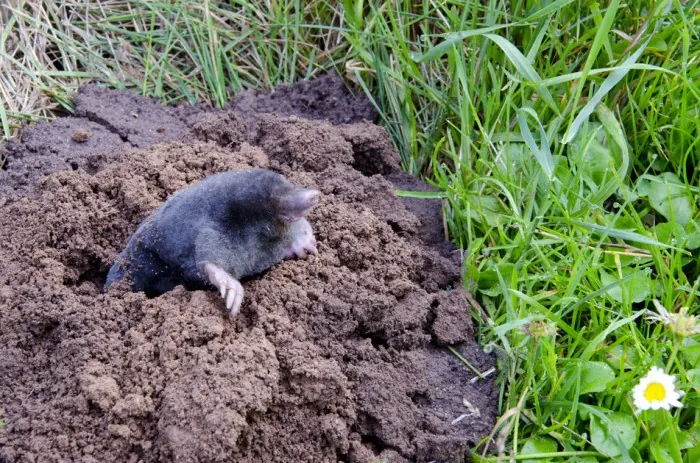
If your lawn is suddenly criss-crossed with raised tunnels and soft patches, you almost certainly have a golden mole working the garden. They're after the grubs, earthworms and insect larvae in well-watered soil. We locate the active runs, treat the mole activity directly and help you make the garden less inviting, without turning the lawn upside down.
Why moles like Moreleta Park
A lot of the suburb's freestanding homes have generous lawns, mature beds and irrigation systems that keep the soil soft and moist through the dry months. That's exactly what moles want. Moist soil is easy to tunnel through, and it holds plenty of food. Gardens near the Moreleta Spruit and the open ground around it can see more activity, as can the newer estates on the suburb's edges, where gardens were made on ground that already had moles in it.
Moles are solitary animals, so one busy mole can make a lawn look like it's been invaded by several. The damage is mostly cosmetic, but it's frustrating: mower wheels sink into soft runs, irrigation drippers get undermined, and seedlings in beds collapse when the soil beneath them is hollowed out.
Is it moles or something else?
It's worth being sure, because people often confuse the two lawn problems we see most here.
- Moles: raised ridges just under the surface, soft ground that gives underfoot, occasional heaps of loose soil, and damage that appears quickly, sometimes overnight.
- Harvester termites: grass that thins and goes bare, small open holes with loose soil around them, and cut grass pieces lying about. No raised ridges.
Sometimes a garden has both. If you're seeing bare patches with small holes, have a look at harvester termite treatment in Moreleta Park too.
When mole activity peaks
Moles are busiest when the soil is moist. In Pretoria East that means the summer rainy season, plus any time of year in a garden that's heavily irrigated. In autumn, as the soil starts to firm up, many people notice a fresh burst of ridges along the edges of beds and paving where the ground stays softer.
How we handle moles
- Finding the active runs. Not every ridge is in use. Moles create feeding tunnels they abandon and a few main runs they use repeatedly. We work out which is which.
- Treating the activity. We target the active runs rather than treating the whole lawn, which is more effective and much kinder to the rest of the garden.
- Garden advice. We look at your watering and the grub population, because both affect whether new moles move in.
- Follow-up. Once a run goes quiet, we check that no fresh ridges have appeared before calling it done.
What people commonly get wrong
Flooding the tunnels with the hosepipe is the classic Pretoria attempt. All it does is soften the soil further and make tunnelling easier. Gas cartridges, sonic stakes and chewing gum in the holes are other popular tries that rarely achieve anything lasting. Another mistake is flattening every ridge and assuming the mole has gone. It may simply have moved to the next bed.
Making the garden less attractive
- Water deeply and less often, rather than a light sprinkle every day. Constantly wet topsoil is mole heaven.
- Check irrigation for leaks and overspray onto beds that don't need it.
- Be careful with heavy compost dressing on lawns, which can boost the grubs that moles feed on.
Local tip: a lot of Moreleta Park homes run automatic irrigation on a timer set years ago. Resetting it to suit the season, especially cutting back in the wetter summer months when afternoon storms do the watering for you, often slows mole activity noticeably.
What does it cost?
The price depends on the size of the garden, how many active runs there are and how many visits it takes to clear them. A single mole in a small garden is a short job. A large property with activity across lawns and beds takes longer. If you've only seen one or two ridges and they haven't spread, it can be worth waiting a week before booking, because moles sometimes pass through and move on.
For moles elsewhere in the city, see our Pretoria mole control service, and for nearby homes there's mole control in Faerie Glen. Other garden and house pests in this suburb are on our Moreleta Park page.
We're SAPCA registered and have been sorting out Pretoria gardens for 25 years. If the mole returns within three months of treatment, we'll come back. Call 012 012 5526, or WhatsApp us a photo of the ridges.
Questions we get asked
Are moles in my lawn harmful to the house?
No. Golden moles tunnel in soil looking for food and don't damage buildings, but they can make a mess of lawns, beds and irrigation lines.
Do moles eat plant roots?
Not as food. They eat grubs, worms and insect larvae, but their tunnels can loosen and dry out roots, which is why plants above a run may wilt.
Why did the mole come back after I flattened the ridges?
Flattening only removes the evidence. The mole is still in the soil and will reuse or rebuild its main runs.
Can a garden have moles and harvester termites at the same time?
Yes, and it's not unusual. Raised ridges point to moles, while bare patches with small holes point to termites. Each needs its own treatment.
Is there a time of year when moles are worse in Pretoria East?
They're most active in moist soil, so the rainy summer months and heavily irrigated gardens see the most activity.
Will treating moles hurt my dog?
We target active runs underground rather than treating the surface. We'll also tell you if there's anything to keep pets away from.