
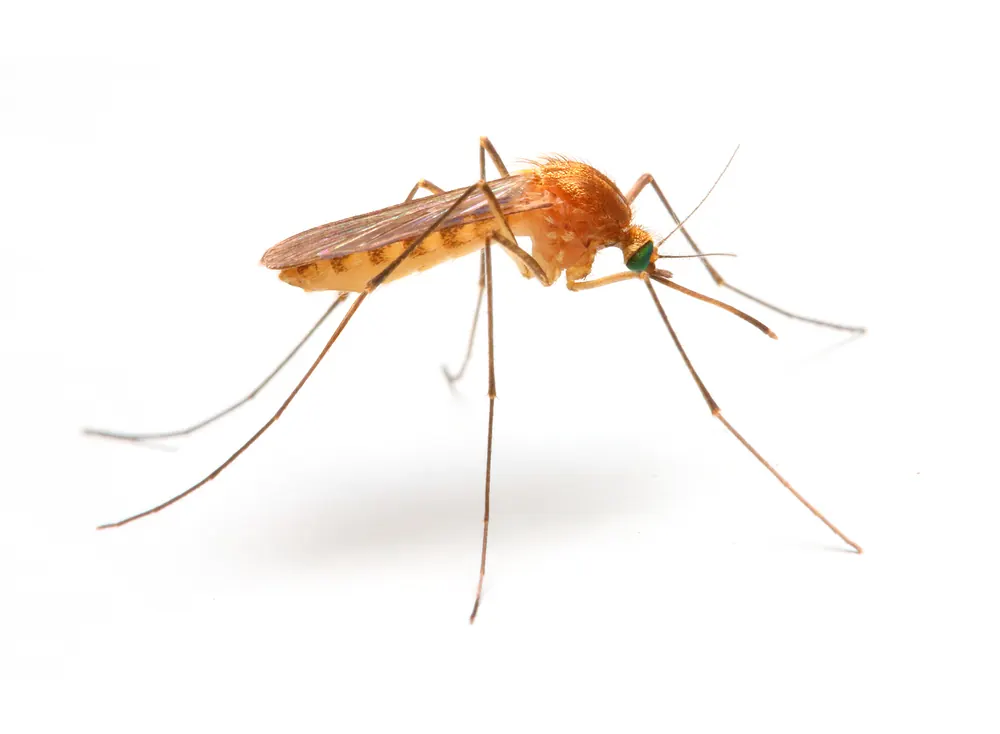
Flying insects are controlled at two points: where they breed and where they rest. Spraying the air does very little. Removing breeding sites, such as standing water for mosquitoes and rotting waste for flies, and treating the walls, eaves and ceilings where adults rest, cuts numbers properly. Wasp nests are treated directly.
The flying insects we deal with here
Mosquitoes
Mosquitoes breed in still water: pot plant saucers, blocked gutters, buckets, birdbaths, old tyres, pool covers holding rainwater, and ponds without fish. Homes near the Moreleta Spruit and other low, damp ground often get more of them, especially on warm, still evenings after rain.
Flies
Houseflies and blowflies breed in bins, compost, pet droppings and rotting organic matter. Fruit flies and drain flies are the tiny ones in the kitchen and bathroom.
Wasps
Paper wasps build nests under eaves, patio roofs and carports from spring onwards. The stinging is what makes them a problem.
Moths and other night flyers
Outside lights attract moths, beetles and flying ants on summer nights, and those in turn attract spiders and geckos to the walls.
Flying termites
After the first good storm of the season, swarms of winged termites emerge from the ground across Pretoria East. On their own they're harmless, but if they're coming out of a wall or floor indoors, get it checked for a termite colony.
Why Moreleta Park has a busy summer
Summer heat and afternoon thunderstorms speed up the life cycle of nearly every flying insect, and the suburb's leafy, irrigated gardens provide shelter and water. Water features, ponds, pools and patios also tend to keep people outside in the evenings, when mosquitoes are most active.
The type of home makes a difference too. Freestanding houses on bigger stands usually have more potential breeding sites to manage: a pond, a compost heap, several gutters, a dog run and a collection of pots. Townhouses have less garden, but their small patios and shared bin areas can still produce plenty of flies and mosquitoes, and wasps take to the long, uniform rooflines and carports of complexes. In estates near open ground, residents tend to notice more flying termites and night-flying beetles drawn in from the veld.
Signs your flying insect problem is local
- Mosquitoes biting in the same spot of the garden every evening
- Flies clustering around one corner of the yard or one bin
- Wasps flying repeatedly to the same point under the eaves
- Moths and beetles heaped up under the same outside light each morning
Our process
- Survey. We look for breeding sites and resting areas around the house and garden: water, waste, vegetation, eaves and outdoor lighting.
- Source reduction. We give you a clear list of what to empty, clean, cover or change.
- Residual treatment. We treat resting surfaces such as walls, eaves, patio ceilings, window frames and shaded vegetation with an odourless, non-staining product.
- Nest treatment. Any wasp nests are treated directly and removed where safe.
- Ongoing service. Food businesses, schools and estates can have scheduled visits.
Normal treatments don't require you to leave home. Let treated surfaces dry before children and pets use the area.
The biggest misconception
That a fogging or a single spray will keep mosquitoes and flies away all summer. It won't, unless the source is dealt with. One forgotten bucket of rainwater behind the garage can produce mosquitoes all season. One bin left in the sun can produce flies every week.
Prevention
- Empty or turn over anything that holds water, and check after every storm.
- Clean gutters, especially ones under trees.
- Keep the pool chlorinated and the pool cover free of standing water.
- Use yellow outdoor bulbs or switch outside lights off when not needed.
- Fit fly screens on windows and doors you keep open in summer.
Local tip: many gardens in the suburb have a decorative pond or water feature. Keeping a few fish in it, or a pump running to keep the water moving, stops it becoming a mosquito nursery.
What does it cost?
The price depends on the size of the property, how many sources and resting areas we need to treat and whether you want a one-off or seasonal service. A typical home with a mosquito or fly problem is a moderate job. If you're only seeing a few mosquitoes on hot nights, clearing standing water and using screens may be enough without any treatment.
For specific flying pests, see wasp nest treatment in Moreleta Park and fly control in this suburb. City-wide, there's flying insect control in Pretoria, and nearby, our Garsfontein flying insect service. For the full list, visit our Moreleta Park page.
We're SAPCA registered, with 25 years of experience, and if treated flying insects return within three months, we come back. Call 012 012 5526, or WhatsApp us a photo of what's buzzing around.
Questions we get asked
Can you get rid of mosquitoes completely?
Not completely, because they fly in from elsewhere. But removing breeding sites and treating resting areas reduces them significantly around your home.
Why are there more mosquitoes near the Moreleta Spruit?
Low, damp ground with vegetation and still water gives mosquitoes places to breed and rest.
Do bug zappers help with flying insects?
They kill some insects, but they also attract them. They're no substitute for removing breeding sites and treating resting areas.
Are flying termites dangerous?
Not on their own. Swarms after the first rain are normal. Get it checked only if they emerge from inside walls or floors.
Can you service our restaurant for flies?
Yes. We offer scheduled flying insect control for food businesses, with records for inspections.
When is the best time to start flying insect control?
Early in summer, before the rains peak. Getting ahead of breeding makes the rest of the season much easier.