
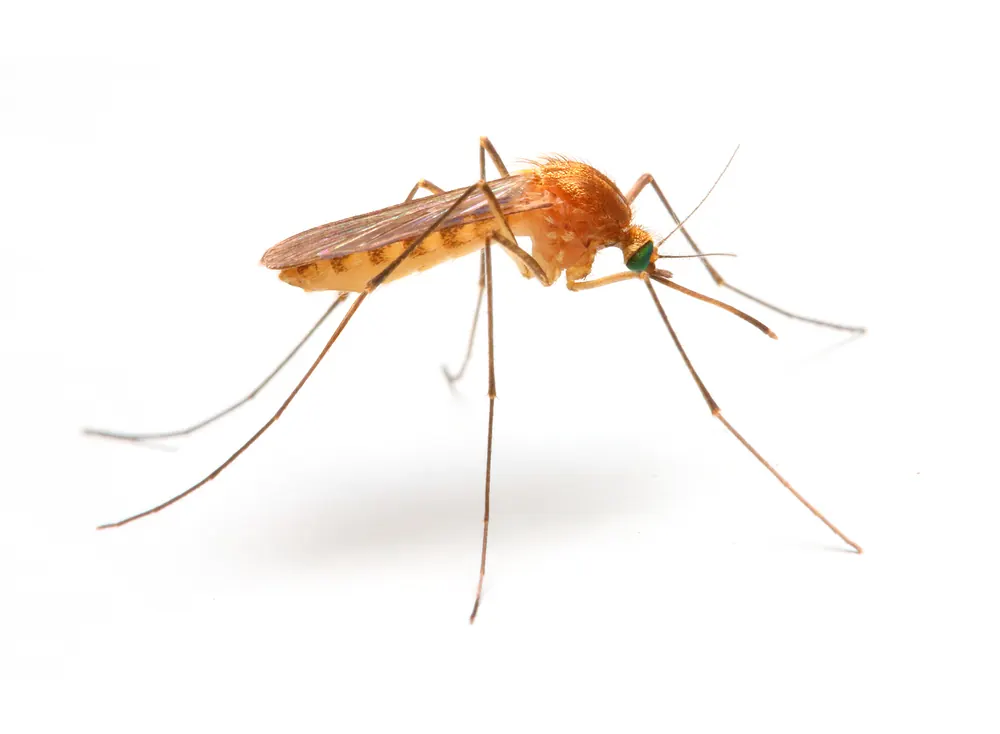
Controlling flying insects around a Brooklyn home or office starts with finding where they breed and what's attracting them. Mosquitoes need standing water, flies need rotting waste, and wasps need sheltered spots to build. Remove or treat those, then treat the surfaces where flying insects rest, and numbers drop quickly. Spraying the air on its own does almost nothing for longer than an evening.
What's flying around Brooklyn in summer
From the first rains in spring through to autumn, the main flying pests we deal with here are mosquitoes, house flies and blowflies, paper wasps, fruit flies and drain flies, and the swarms of flying ants and termites that come out after storms. Moths around lights at night are mostly a nuisance, but they bring spiders and geckos after them.
Why Brooklyn properties breed them
Gutters full of leaves
This is the most overlooked mosquito source in the suburb. Mature trees drop leaves into gutters all year, the gutters block, and after a storm they hold a shallow layer of water for days. That's perfect for mosquito larvae, out of sight, right above your bedroom window.
Water features, ponds and pools
Established gardens often have birdbaths, fountains, fish ponds and pool covers that collect rainwater. Moving, well-kept water isn't a problem. Stagnant water in a neglected feature, a forgotten bucket or a pot-plant saucer is.
Bins and waste
Flies breed in bins, compost, pet droppings and food waste. Busy kitchens in offices, flats and food outlets produce a lot of it, and shared bin areas are often nobody's job to clean.
Old eaves and verandas
Deep overhangs on older houses are ideal for wasp nests, and outside lights under them draw moths and other insects in at night.
How we tackle flying insects
- Inspect for sources. Gutters, water features, drains, bins, compost and eaves. We identify the insects and where they're breeding.
- Remove or treat breeding sites where it's practical, and tell you which ones you can deal with yourself.
- Treat resting areas. Mosquitoes and flies rest on shaded walls, under eaves, in dense shrubs and on ceilings near doors. We treat those surfaces with an odourless, non-staining residual product.
- Deal with nests. Wasp nests get targeted nest treatment.
- Ongoing service for restaurants, offices and embassies that need flying insects under control all summer.
The mistake almost everyone makes
Buying coils, plug-ins and sprays every summer without looking at the gutters. Those products help for an evening, but the mosquitoes are breeding a few metres away, and a new batch emerges every few days in hot weather. Cleaning the gutters once does more than a season of coils.
The Brooklyn tip: gutters before the rains
Have your gutters cleared at the end of winter, before the first storms, and again in late summer if trees overhang the roof. Check the gutters on outbuildings, garages and carports too. Fit leaf guards if the trees are particularly heavy shedders. While you're at it, tip out anything holding water around the garden once a week.
Flying ants after the storms
The swarms of winged insects that pour out of the lawn after the first big storm of the season are usually ants or termites leaving to start new colonies. They're short-lived, and outdoors they are not a reason to call us. Switch off outside lights for a night or two and they'll pass. If they emerge from inside a wall or a floor, though, have it checked.
For businesses
Flies in a restaurant, wasps at an office entrance or mosquitoes in a reception area all create a bad impression. A regular service through the warmer months keeps them under control, with treatments timed for when they're needed and done outside trading or working hours where possible.
What does flying insect control cost?
It depends on what we're dealing with, how big the property is and how many breeding sites there are. One wasp nest or a mosquito problem traced to a blocked gutter is a small job, and you might be able to solve the gutter part yourself. A restaurant or a large office needing regular summer visits is quoted as a service. We'll tell you which parts are worth paying for and which you can do on your own.
We treat flying insects across the city through flying insect control in Pretoria, and the tree-filled gardens next door are covered by our flying insect treatments in Waterkloof. For nests specifically, see wasp nest treatment in Brooklyn, and for kitchens and bins, getting rid of flies in Brooklyn. The Brooklyn pest control page lists the rest. We're SAPCA registered, with 25 years of experience, and if flying insects return in numbers within 3 months, we come back. Call 012 012 5526, or WhatsApp us a photo of the problem area.
Questions we get asked
Why are there so many mosquitoes at my Brooklyn house?
Look at your gutters first. Leaf-blocked gutters hold water after rain and breed mosquitoes out of sight. Birdbaths, ponds and pot saucers are the next suspects.
Can you get rid of mosquitoes completely?
Not completely, as they fly in from elsewhere. Removing breeding sites and treating resting areas around the house reduces them a lot.
Is the spray safe for my garden and pets?
We treat specific resting surfaces rather than the whole garden, and use odourless products. Keep pets away from treated areas until they're dry.
Do bug zappers work?
They kill some insects, mainly moths, but they're not effective against mosquitoes and they don't deal with breeding sites.
Can you treat our restaurant's outside seating area?
Yes. We treat resting areas, look at waste and drains nearby, and can set up regular visits through the summer.
When should I book a flying insect treatment?
At the start of the warm season, from the first rains, so the treatment is in place before numbers build up.