
If you're being bitten at home or at work in Brooklyn and can't see what's doing it, the first step is to identify the culprit, because the treatment depends entirely on what it is. Bed bugs, fleas, bird mites and mosquitoes all bite people, but they live in completely different places. Treating the wrong one is the main reason biting problems drag on for months.
The four usual suspects in Brooklyn
Bed bugs
They live in and around beds and couches and bite at night, often in lines or clusters on arms, shoulders and neck. You can see them: flat, reddish-brown, about the size of an apple seed, with dark spots on mattress seams. In Brooklyn, they come in with luggage, secondhand furniture and the frequent moves of tenants in rented rooms near the university.
Fleas
Bites mostly on the ankles and lower legs, often while walking around the house or garden. Usually linked to pets, or to a house where a previous occupant had pets. Fleas jump, and you'll often spot them on white socks. Shady spots under big trees where dogs lie are a favourite outdoor breeding site.
Bird mites
Tiny specks, barely visible, that bite at night or at a desk, often with a crawling feeling. They come from bird nests under roof tiles, behind gutters or in vents, usually after the chicks have left. Bites are concentrated in one room or near a window. Older Brooklyn roofs with pigeon or myna nests are a common source.
Mosquitoes
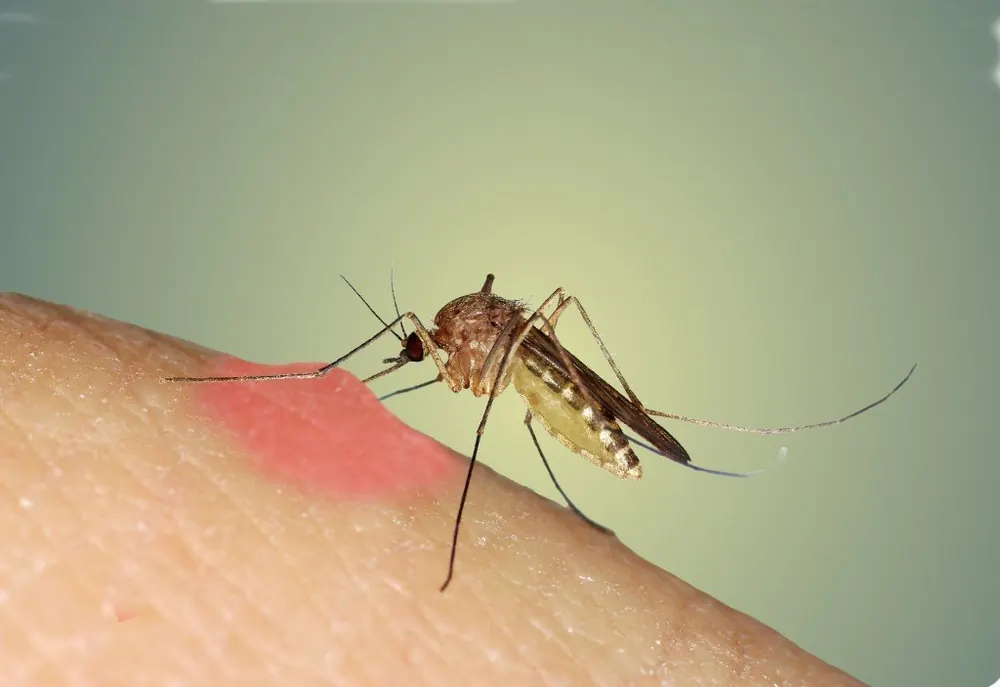
Itchy bumps on any exposed skin, mostly in the evening and at night in summer, along with the familiar whine. In Brooklyn, leaf-blocked gutters, water features and containers holding rainwater breed them close to the house.
A quick way to narrow it down
- Bites only on the ankles? Think fleas.
- Bites in rows on the upper body after sleeping, with spots on the mattress? Think bed bugs.
- Bites near a window or under one part of the roof, with tiny moving specks? Think bird mites.
- Bites on any exposed skin on summer evenings? Think mosquitoes.
Bites can also come from other causes, including skin conditions, allergies and spiders. If you're unwell, have a reaction or the bites become infected, see a doctor.
How we handle it
We start with questions: when and where you're bitten, who's affected, whether you have pets, and whether birds nest on the roof. Then we inspect the likely sources: beds, couches, pet bedding, carpets, the roof edge and gutters. Once we've confirmed the culprit, we treat it with the right method. That might be targeted bed bug treatment with a follow-up, flea treatment of the house and pet areas, nest treatment for bird mites, or source reduction and resting-area treatment for mosquitoes.
When it's not an insect at all
Now and then we inspect a Brooklyn home thoroughly and find no biting pest anywhere. Dry winter air, new washing powder, fibreglass from roof insulation work or a skin condition can all produce itching that feels like bites. In that case we'll tell you honestly and suggest you see a doctor rather than sell you a treatment you don't need.
The mistake that costs the most
Fogging the house or spraying the bed without knowing what the biter is. If the cause is bird mites from the roof, treating the mattress achieves nothing. If it's bed bugs, a fogger drives them deeper into furniture and into other rooms. Identify first, treat second.
A Brooklyn tip
Keep a simple bite diary for a few days: where you were, what time, which part of the body. Combined with a photo of anything you find on sheets, windowsills or socks, it often tells us exactly what we're looking for before we even arrive.
What does it cost?
It depends on which biting insect it is and how widespread it is. A flea problem in a small flat is a modest job. Bed bugs in several rooms or bird mites coming from multiple nests take more time and usually need a follow-up. We'll identify the problem and quote before treating, and if it's something you can fix yourself, like a gutter breeding mosquitoes, we'll say so.
Our biting insect control across Pretoria has more background, and we see the same mix in older homes through Lynnwood biting insect treatments. For the specific pests, read about bird mite treatment in Brooklyn and Brooklyn flea control, or see the full list on our Brooklyn page. We're SAPCA registered, have 25 years of experience, and if the biting returns within 3 months of treatment, we'll be back. Call 012 012 5526, or WhatsApp us a photo of the bites or anything you've found.
Questions we get asked
I'm being bitten but can't see anything. What could it be?
Bird mites are the most common invisible biter, followed by fleas. A bite diary and a check of the roof for nests and of pets for fleas usually narrows it down.
Why is only one person in the house being bitten?
People react to bites differently. Two people may both be bitten, but only one gets itchy marks, so it doesn't rule out any of the usual suspects.
Can I send you a photo of the bites?
Yes, but a photo of the insect or specks is more useful. Bites from different pests can look alike, so we use your answers and the photo together.
Do bird mites and bed bugs need different treatments?
Completely different. Bed bugs are treated where people sleep. Bird mites are treated at the nest and in the rooms below it.
Can you treat an office where staff are getting bitten?
Yes. We inspect desks, carpets, the roof and any bird nests, identify the cause and treat it, usually outside working hours.
Should I see a doctor?
If a bite blisters, spreads, becomes infected or causes a strong reaction, yes. We deal with the pest, but your doctor should look at the bite.