
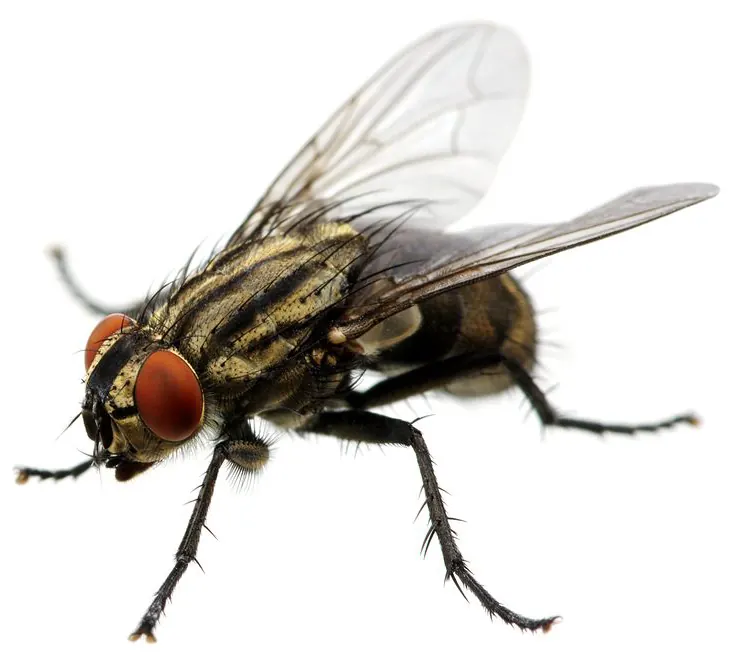
The key to controlling flies in Brooklyn is finding where they're breeding and removing it. Treating the resting areas around a building helps cut numbers quickly, but if a bin, a drain or a pile of garden waste keeps producing new flies, they'll be back within days. We do both: find the source, then treat.
Where Brooklyn's flies come from
House flies breed in anything moist and rotting: food waste, pet droppings, wet garden refuse and the sludge at the bottom of a bin. In summer the whole cycle from egg to adult is fast, so a single neglected wheelie bin can supply a whole street.
In Brooklyn, we see a few typical sources. Restaurants, takeaways and food outlets in and around the shopping areas generate a lot of food waste, and if the bin area behind the kitchen isn't cleaned often, it becomes a breeding site. Offices in converted homes often have a single bin area shared by several businesses, with nobody quite responsible for it. Family homes with dogs and big gardens can have flies breeding in pet droppings, grass clippings and compost heaps. And where households share a block of flats or a divided house, overflowing communal bins are a classic problem.
Not all flies are house flies
- House flies breed in rotting organic waste and come into kitchens to feed.
- Blowflies, the big metallic green and blue ones, are drawn to meat waste and dead animals. A sudden swarm of them indoors can mean a dead rat or bird in the roof or wall.
- Fruit flies are tiny and breed in overripe fruit, spilled drinks and the sludge in drains.
- Drain flies are small, fuzzy and moth-like, and they breed in the film inside sinks and floor drains.
Each one points to a different source, so we identify the fly before we treat.
How we treat flies
First, we inspect bins, drains, kitchens, storerooms and the garden to find the breeding site. Then we treat the surfaces where flies rest, such as walls near bins, window frames, ceilings and eaves, with an odourless, non-staining residual product. We give practical advice on bin cleaning, drain cleaning and waste storage. For restaurants and food outlets, we can set up regular visits so fly activity is kept in check through the summer, with a record of each service.
If a sudden blowfly swarm points to a dead animal in a roof or wall, we can help find it. That often goes hand in hand with a rodent problem.
The mistake that keeps flies coming
Relying on fly spray and sticky strips. They catch the adults you can see, but the next generation is already growing in the bin or the drain. Without dealing with the source, you'll be spraying every day all summer.
A tip for Brooklyn businesses and homes
Put bin washing on a fixed schedule in summer, not "when it smells". Rinse wheelie bins and bin areas weekly, keep the lids closed, and double-bag food waste. In shared bin areas behind converted offices, agree who's responsible. That one change often cuts flies more than anything we can spray.
- Pick up dog droppings daily in summer.
- Turn compost regularly and cover fresh food scraps with dry material.
- Pour boiling water or a drain cleaner down slow kitchen and bar drains to remove the film that drain flies breed in.
- Keep fruit in the fridge or covered during hot spells.
When are flies worst?
Flies peak in the hot, wet months from October to March, when warm temperatures speed up their breeding. They slow down sharply in the dry Highveld winter.
What does fly control cost?
It depends on the size of the property, how many breeding sites there are and whether it's a once-off treatment or a regular service for a food business. A house with flies breeding in a compost heap might only need advice and a single treatment. A restaurant or a shared office bin area needs ongoing attention. In many homes, cleaning the bins and the drains is genuinely all it takes.
For more on our methods, see fly control in Pretoria. In the neighbouring suburb, we cover flies in Waterkloof homes and gardens. Flies and cockroaches often share the same bins and drains, so look at our cockroach control in Brooklyn if you're seeing both. If you're also dealing with mosquitoes or wasps, our flying insect page for Brooklyn is the place to start, and the Brooklyn hub lists everything else. We have 25 years of experience and are SAPCA registered. If flies come back in numbers within 3 months of treatment, we'll return. Call 012 012 5526 or WhatsApp us.
Questions we get asked
Why are there so many flies in my kitchen?
Usually because something close by is breeding them, such as a bin, compost heap, drain or pet droppings. Finding and removing that source is the first step.
What does a sudden swarm of big green flies mean?
Blowflies indoors often point to a dead rat, mouse or bird in the roof or a wall. We can help find it and deal with the rodents behind it.
Can you service our restaurant regularly?
Yes. We set up regular visits for food businesses, keep a record of each service and work around your trading hours.
Is fly treatment safe around food?
We treat resting surfaces like walls, ceilings and eaves, not food preparation surfaces, and use odourless, non-staining products.
Where do tiny flies in my sink come from?
Those are usually drain flies or fruit flies breeding in the film inside the drain. Cleaning the drain properly usually solves it.
Do fly traps work?
They catch adult flies, which helps, but they don't stop breeding. Combined with cleaning the source, they're useful. On their own, they rarely solve the problem.