
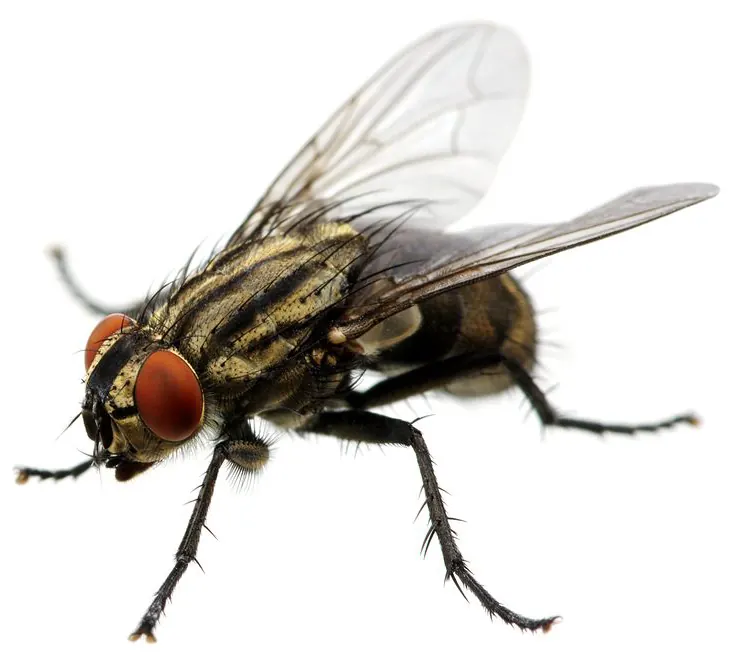
Flies are a breeding-site problem. Every fly you swat came from somewhere close by: a bin, a drain, a compost heap, dog mess on the lawn or a food spill under kitchen equipment. Spraying the air kills the adults you can see and does nothing about the hundreds still developing. Find and remove the breeding site, treat the surfaces where flies rest, and numbers fall quickly.
Who calls us about flies in Centurion
Restaurants, takeaways and food businesses
Centurion has a large number of restaurants, coffee shops and takeaways in its malls, around the lake and in the office parks. For a food business, flies are more than a nuisance; they're a hygiene risk and a bad look for customers. The usual causes are refuse areas, grease traps, floor drains, gaps under kitchen equipment and back doors propped open in summer.
Homes and estates
For homes, the main sources are bins standing in the sun, compost heaps, pet mess in the garden and fruit left out on the counter. In complexes, a shared bin yard that isn't cleaned often can supply flies to every unit nearby.
Warehouses and industrial sites
Loading bays, waste skips and staff canteens on industrial and warehouse sites draw flies in the summer months, especially when large roller doors stay open all day.
Know your fly
- House flies: medium-sized, grey, breed in rotting organic matter, bins and animal waste.
- Blowflies: larger, metallic green or blue, breed in meat scraps, dead animals and pet food. A sudden burst indoors can mean a dead rodent in the roof or wall.
- Fruit flies: tiny, with red eyes, breed in fermenting fruit, spilt drinks, drains and bar areas.
- Drain flies: small, furry, moth-like, breed in the slime inside drains and grease traps.
Our fly control approach
We inspect to find the breeding sites first: bins, refuse rooms, drains, grease traps, compost, waste skips and any place where organic matter is sitting. We show you what needs cleaning, covering or changing. After that, the surfaces where flies land and rest, such as walls near bins, window frames, ceilings in refuse rooms and around back doors, get an odourless residual product that won't stain, and drains where they're breeding are treated too. Food businesses and larger sites can have a scheduled monitoring contract so fly pressure is checked through the whole summer.
Flies around Centurion's waterside and open areas
Homes and businesses close to the Hennops River, stormwater channels and Centurion Lake sometimes notice more flying insects in summer, and people tend to blame the water for their flies. Midges and mosquitoes do come from water, but house flies and blowflies almost always come from waste much closer to home. Before you assume the river is the problem, check your own bins, drains and compost. If you're also troubled by mosquitoes, that's a separate job, and treating the resting areas around the house helps with those.
For businesses, we can also check the routine: how often bins are collected, whether the refuse area is hosed down, whether back doors close properly, and whether deliveries sit outside in the sun. Small changes to that routine make the treatment last far longer.
The mistake we see
Hanging sticky strips and buying more aerosol cans while the bins stand in the sun with loose lids. Strips and sprays deal with flies that have already hatched. If the bin, the drain or the compost is still producing them, the problem is back tomorrow.
A local tip for summer
Centurion summers are hot, and a bin left in full sun for a week is a fly factory. Keep bins in the shade, close the lids properly and rinse them out after collection day. Pick up dog mess daily in summer, because it's one of the biggest fly sources in estate and complex gardens. And if you notice a sudden rush of big green blowflies indoors, check the roof: a rodent that died there is the usual cause.
What does it cost?
The cost comes down to the size of the site, the number of breeding sources and treatment areas, and whether you need once-off help or ongoing monitoring. A house with a bin problem may only need a clean-up and better lids, and we'll say so if that's all it is. A restaurant or warehouse in summer usually benefits from regular visits.
In food areas, flies and cockroaches often go together; our cockroach control for Centurion kitchens covers the other half of the job. You'll also find fly control across Pretoria, our fly control service in Waterkloof, and the full list of what we treat on the Centurion pest control page.
We're SAPCA registered with 25 years in the business, and flies that build up again in a treated area inside three months mean we come back. Ring 012 012 5526 to set up an inspection, or message us on WhatsApp with a photo of the problem area.
Questions we get asked
Why do I suddenly have big green flies indoors?
Blowflies indoors often mean something has died nearby, such as a rodent in the roof or a wall. Finding and removing it is the first step.
Can you help a restaurant pass a hygiene inspection?
We can put a regular pest control and monitoring programme in place with service records, which supports your food safety procedures.
Do fly sprays work?
They kill the flies you can see but not the ones breeding in bins, drains or compost. Removing breeding sites is what reduces numbers.
Where do the tiny flies in my bar or kitchen come from?
Usually from drains, spilt drinks and fermenting fruit. Cleaning drains and removing old fruit and spills normally solves it.
Is the treatment safe in a food area?
Yes, when applied correctly. We treat resting surfaces away from food and food-contact areas and follow strict guidelines in commercial kitchens.
How often should a food business have fly control?
In summer, regular visits work best. How often depends on how busy the kitchen is and how the waste is handled.