
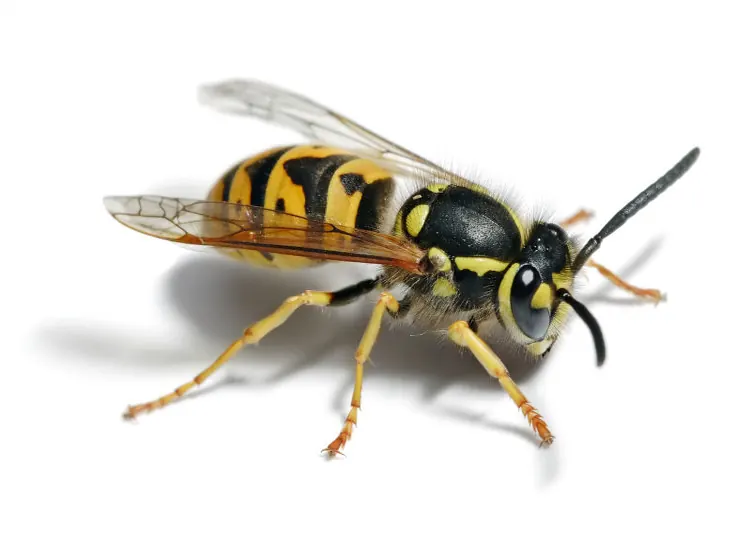
A wasp nest near a door, a patio or a pool should be dealt with while it's small, and by someone who treats the nest directly rather than knocking it down. A disturbed nest sends out every defender at once, and that's when people get stung several times. We treat the nest itself with a targeted product, wait for the colony to die off, and then remove it.
The wasps we find in Centurion
Paper wasps
By far the most common. They build open, umbrella-shaped grey nests with the cells visible from below, hanging from a short stalk. Favourite spots are under eaves, patio and carport roofs, pergolas, the underside of outdoor furniture, inside gate motor covers, behind shutters and in the folds of a closed umbrella. Their sting is painful and they defend the nest hard.
Mud daubers and potter wasps
These build small mud cells or pots on walls, window frames and inside garages. They're solitary and rarely sting people, so many homeowners simply scrape off the mud cells once they're empty.
Why Centurion homes see so many nests
Wasps build where there's shelter, warmth and food. Centurion's newer homes and estates tend to have big covered patios, wide eaves, pergolas, carports and outdoor entertainment areas, which are perfect sheltered nest sites. Pools give them water, gardens give them caterpillars and other insects to feed their young, and outdoor eating gives them sugar. Office parks with deep window ledges and covered parking bays see a lot of nests as well, sometimes in spots staff walk past every day.
Nests start small in spring with a single queen and grow quickly through the warm, wet summer. By late summer a nest that was the size of a coin can hold a lot of wasps.
How we deal with a nest
- Find all the nests. Where there's one paper wasp nest, there are often others nearby, under the same roofline or in the garden.
- Treat the nest directly with a targeted product, applied so the wasps returning to the nest also make contact.
- Remove the nest once activity has stopped, so the site isn't reused.
- Advise on prevention, such as treating favourite nest sites at the start of the next season.
For larger sites like schools, office parks and estates, nest checks can be part of a scheduled service so they're found early.
Wasps at schools, estates and office parks
On larger Centurion properties, nests are often found late because nobody is looking for them: behind signage at an estate gate, under the eaves of a clubhouse, in the roof of a school's covered walkway or in a parking bay shade structure. For estates and body corporates, a walk-round in spring and again in midsummer catches most nests before they grow. We can include that in a regular service, and we time treatments for when children or residents are away from the area.
What not to do
Don't spray a nest with a garden hose, hit it with a broom or burn it. Each of those sends the whole colony out at once, often in the direction of the person holding the broom. Don't try a nest on a ladder either; a few stings while you're up high is how falls happen. If someone in the household is allergic to stings, leave it entirely and call us.
Bees are a different matter
Bees are important pollinators and are handled differently. If you have a honeybee swarm or hive in a wall or roof, it's better to contact a beekeeper who can remove and rehome them. We'll tell you if what you have looks like bees rather than wasps.
A tip for Centurion homes
In early spring, take a walk around the house with a torch and look up: under the eaves, the patio roof, the carport, the pergola beams and inside the gate motor cover. A new queen's nest at that time is no bigger than a thumbnail with a few cells. Catch it then and the summer is far quieter. Also check closed patio umbrellas before opening them; they're a favourite spot.
What does wasp removal cost?
It depends on how many nests there are, how high and hard to reach they are and whether the site needs a return visit. One nest under a patio roof is a straightforward job. Several nests on a double-storey estate home, or a whole office park, take longer. A small, empty mud dauber cell can safely be scraped off yourself.
Wasps are one part of our flying insect control in Centurion. You can also read about wasp control throughout Pretoria, see wasp removal in Garsfontein, or go to our Centurion pest control page.
One Stop is SAPCA registered, and if wasps rebuild on the treated site within three months, we'll come back. Send us a photo of the nest on WhatsApp or ring 012 012 5526 and we'll arrange a visit.
Questions we get asked
Can I remove a small wasp nest myself?
A very small, new nest can sometimes be removed carefully at night when wasps are inactive, but it's risky. If you're allergic or the nest is large or high, call us.
Will the wasps come back to the same spot?
They often choose the same sheltered spots year after year. Removing old nests and treating favourite sites early in spring helps.
Do you remove bee hives?
We focus on wasps. For honeybees we recommend a beekeeper who can remove and relocate the colony.
What should I do if I'm stung several times?
Move away from the nest, remove any sting left in the skin and use a cold compress. Get medical help immediately if there's swelling of the face or throat, or difficulty breathing.
Is the treatment safe around my pool?
Yes. We apply the product only to the nest itself, not over the pool or the patio.
Why are wasps around my pool?
They come for water, especially in hot weather, and there's usually a nest close by. Finding and treating that nest reduces the numbers.