
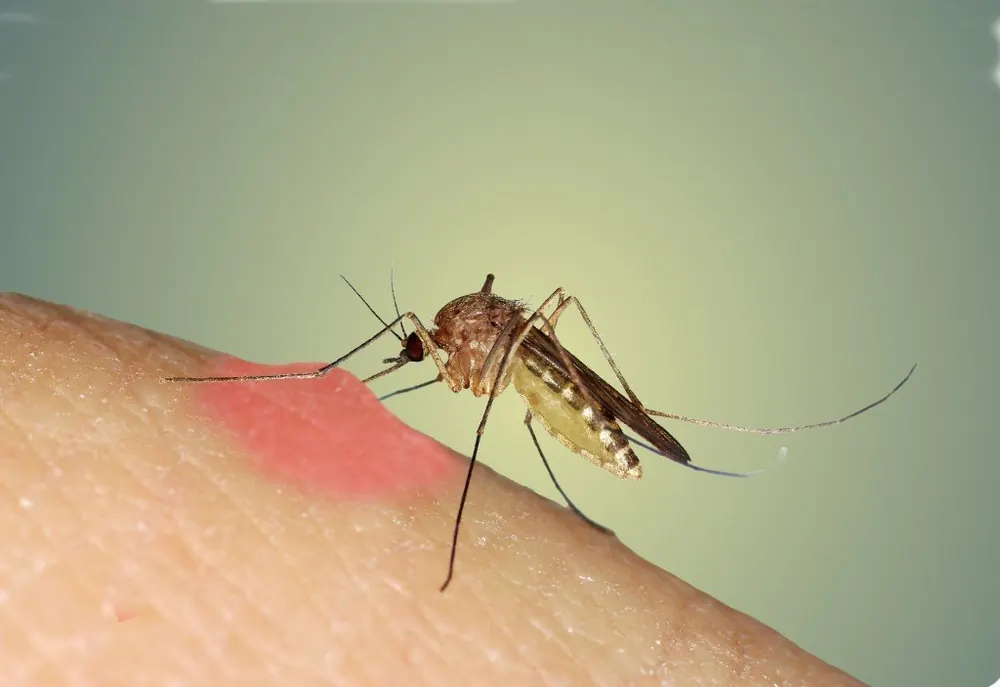
If you're being bitten at home and can't see the culprit, the answer is almost always one of four: mosquitoes, fleas, bed bugs or bird mites. Each lives in a different place and needs a different treatment, so the most useful thing we can do first is work out which one it is. Treating the wrong one wastes money and leaves you itching.
A quick guide to the four usual suspects
Mosquitoes
Where you're bitten: exposed skin, arms, legs, face. When: from dusk and through the night, mostly in summer. Clues: the whine at night, raised itchy bumps, more bites after storms. Centurion homes near the Hennops River, the lake, estate dams and water features, or with pools and pot plant saucers holding water, notice them most.
Fleas
Where: ankles and lower legs. When: any time, often after walking across carpet or sitting on a couch where pets lie. Clues: pets scratching, tiny jumping insects, black specks in pet bedding. Can also happen in a home that's been empty after the previous owner's pets left.
Bed bugs
Where: arms, shoulders, neck, often in a line or small cluster. When: overnight, noticed in the morning. Clues: rusty spots on sheets and mattress seams, small flat brown bugs in the bed base or headboard, especially after travel, a used bed or a new tenant.
Bird mites
Where: anywhere, often around the waist, wrists and neck. When: mostly at night and early morning. Clues: barely visible moving specks on walls, bedding and window sills, and birds nesting in the roof, eaves or under solar panels, especially once the chicks have flown.
Other possibilities
Midges near water, the occasional spider or centipede bite, and skin irritation from things that aren't insects at all, such as fibreglass from ceiling insulation, a new washing powder or dry winter skin, can all feel like bites. If we inspect and find no biting insect, we'll say so rather than treat for the sake of it. A doctor is the right person to see about rashes that don't match any of the patterns above.
How we track down the biter
We ask some simple questions first: where on the body, what time of day, who in the household is affected, any pets, any recent travel, birds in the roof. Then we inspect the places each biter lives: mattress seams and bed bases for bed bugs; carpets, pet beds and shady garden spots for fleas; roof spaces, eaves and solar panels for bird nests; and gardens, gutters and water features for mosquito breeding.
Once we know what it is, the treatment follows the source. That might be crack-and-seam treatment and a follow-up for bed bugs, house and garden treatment alongside your vet's pet treatment for fleas, targeted nest treatment for bird mites, or breeding-site removal and resting-area treatment for mosquitoes. You'll find the detail on our pages for fleas in Centurion and bird mite treatment in Centurion.
What not to do
Don't set off an insect bomb in the bedroom and hope. It won't reach bed bugs in the seams of the bed base, it won't touch the bird nest in the roof, and it does nothing about the fleas in the garden. It can also scatter bed bugs into other rooms. Don't throw away the mattress either until you know what you're dealing with.
A useful trick before you call
Put a piece of clear sticky tape over any speck you see moving on the wall or bedding, stick it onto white paper and take a close-up photo. Or put a white sheet on the bed for a few nights and look for spots and specks in the morning. Those two simple steps often let us identify the biter from a photo before we visit, which saves time and gets the right treatment going sooner.
Homes, rentals and workplaces
We see biting insect complaints in family homes, townhouses and flats, guesthouses and rentals between tenants, and offices where staff start reporting bites, often from bird mites coming in from pigeons on the ledges. In complexes and office buildings, the source may be in a neighbouring unit or the shared roof, so we may need access to more than one space.
What does it cost?
An inspection to identify the biter is the first step. Treatment cost then depends on which insect it is, how many rooms are affected and whether follow-up visits are needed. Bed bug work usually involves more visits than flea or mosquito treatment. If what you have turns out to be a few mosquitoes, emptying the standing water may be all you need to do.
More on the wider picture: biting insect control in Pretoria, our service for biting insects in Garsfontein, and the all our Centurion services.
Our 25 years in pest control count for a lot here, and as a SAPCA-registered company we guarantee the work: if a treated biting insect returns within three months, so do we. Call 012 012 5526, or send your sticky-tape photo to us on WhatsApp and we'll help you work out what it is.
Questions we get asked
Why am I the only one in the house being bitten?
People react differently to bites, so others may be bitten without noticing. It doesn't usually mean the insect is only biting you.
Can I tell what's biting me from the bites alone?
Not reliably. Where and when you're bitten gives clues, but finding the insect or its signs is what confirms it.
Could the bites be from my dog's fleas even though the dog is treated?
Yes. Most of a flea population lives in carpets, pet beds and the garden, so new fleas keep hatching unless the home is treated too.
Do bird mites stay in the house after the birds leave?
Only for a while. They die off without a bird host, but the nest needs treating so the mites don't keep coming in.
Should I see a doctor about bites?
Yes, if bites become infected, a rash spreads, or you have a strong reaction. A doctor can also rule out causes that aren't insects.
Can you inspect without treating?
Yes. If we can't find a biting insect, we'll tell you, and we won't treat unless there's something to treat.