
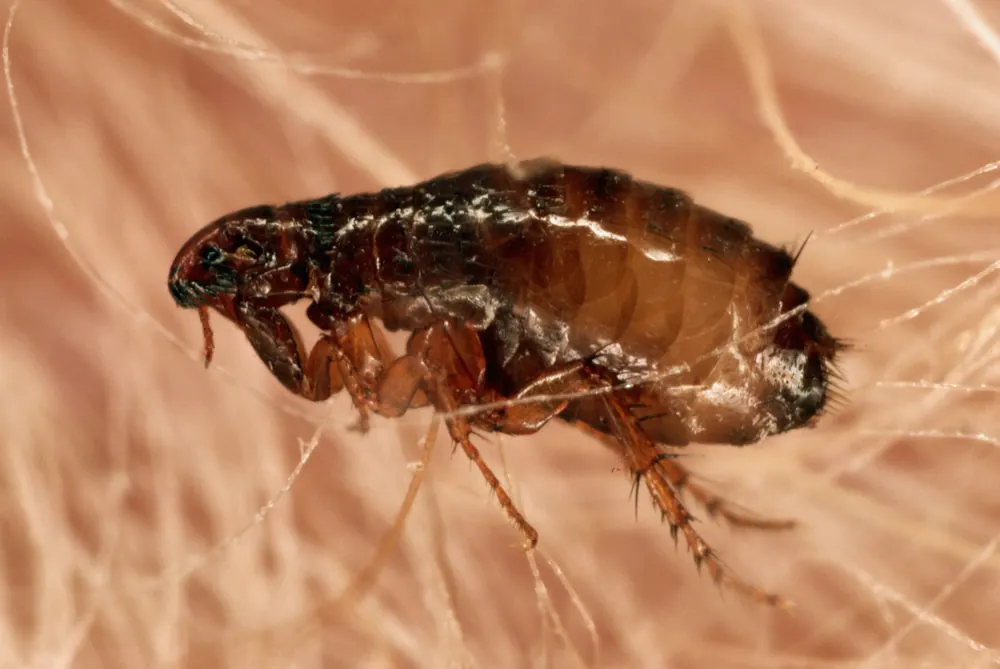
To clear fleas you have to treat the pets, the house and the garden at the same time. Only a small part of a flea population lives on the animal. The rest are eggs, larvae and pupae in carpets, pet beds, couch cushions and the shady soil where your dogs lie in the garden. Treat only the dog and new fleas hatch from the floor for weeks.
Why fleas do so well in Centurion homes
Centurion is dog country. Estate homes and freestanding houses often have two or three dogs moving between the garden, the patio and the lounge, and many complexes allow pets in small, shady courtyard gardens. Summer here is hot with afternoon storms, and that warm, humid weather is exactly what flea larvae need. Numbers rise through summer and peak in late summer, when the garden has had months to build up a population.
Fleas also turn up when people move. A home or townhouse that was empty for a while after the previous owners' pets left can have pupae sitting dormant in the carpets. The vibration of new people walking in sets off a mass hatch, and the new owners get bitten within days of moving in, even without a pet of their own.
Signs of fleas
- Small, itchy bites, mostly around ankles and lower legs
- Pets scratching, chewing at the base of the tail or losing fur
- Black specks in the pet's coat or bedding that turn reddish on wet tissue (flea dirt)
- Tiny dark insects jumping onto socks when you walk across the carpet
How we treat fleas
We ask you to have your pets treated by your vet or with a vet-recommended product around the same time as our visit. That part is your vet's job, not ours. We then treat the house: carpets, rugs, under furniture, pet sleeping areas, along skirting boards and anywhere the animals spend time. Outdoors we treat the shady spots where pets lie, kennels, under decks and along the side of the house where dogs patrol. The products we use are odourless and non-staining. Keep people and pets off treated areas until they're dry.
Because pupae are protected inside a cocoon, some fleas keep hatching for a short while after treatment. They meet the treated surfaces and die. Vacuuming regularly in that period helps, because the vibration triggers the remaining pupae to hatch.
Complexes and shared gardens
In townhouse complexes with shared gardens, one household's flea problem tends to become everyone's. Dogs from several units use the same strip of lawn, cats wander between courtyards and roam under the units, and fleas drop off wherever the animals rest. If your neighbours' pets are scratching too, it's worth raising with the body corporate so the common garden and the affected units can be treated together. Strays and wild animals sleeping under decks or in roof spaces can also keep reintroducing fleas, so it helps to block off those spaces where you can.
The mistake people make
Treating the pets and nothing else, or bombing the house and forgetting the garden. Fleas live where the pets live, so if the dogs sleep under the lemon tree, that's part of the house as far as the fleas are concerned. Another common one: stopping the pet's flea treatment once the bites stop. Keep it going as your vet advises.
A tip for Centurion gardens
Pay attention to the dry, shady, sandy patches where the dogs dig in to stay cool on hot afternoons, and the space under the patio or the wendy house. Rake out the bedding hollows, keep the area dry, and wash pet blankets every week on a hot cycle. Sunny, open lawn isn't the problem; those cool shaded spots are.
What does it cost?
Flea work costs more or less depending on the floor area, the share of the garden that needs attention and whether we need to come back. A small townhouse with one cat is a quick job; a large estate home with several dogs and a big garden takes longer. If the problem is a few fleas on one pet, a vet treatment and regular vacuuming may solve it without us.
Unsure whether it's fleas at all? Bed bugs and bird mites also bite at night; see bed bug treatment in Centurion, or our wider guide to biting insects in the Centurion area. There's also flea control across Pretoria, fleas in Garsfontein homes and the Centurion pest control hub.
One Stop is SAPCA registered and stands behind flea work with a 3-month guarantee: if fleas are back in the treated areas within that time, we return. You can reach us on 012 012 5526, or WhatsApp us with any questions first.
Questions we get asked
Why am I being bitten when I don't have pets?
Fleas from previous occupants' pets can lie dormant as pupae in carpets and hatch when new people move in. Wild animals and strays under the house can also bring them.
Do I need to treat my pets myself?
Yes. Pet treatment is done by you with your vet's advice. We treat the house and garden at the same time so the whole cycle is broken.
How long after treatment will the fleas be gone?
Most homes see a sharp drop within days, with a few new fleas hatching for a short while after. Those die on the treated surfaces.
Is the treatment safe for my dogs and cats?
Keep pets off treated areas until they're dry, then they can return as normal. We'll tell you exactly which areas to keep them off.
Should I vacuum after the treatment?
Yes, after the surfaces are dry. Vacuuming triggers remaining pupae to hatch so they contact the treatment. Empty the vacuum outside.
Can fleas live in my lawn?
They do best in shady, sheltered spots rather than open, sunny lawn. Treating where pets lie and sleep outdoors is what counts.