
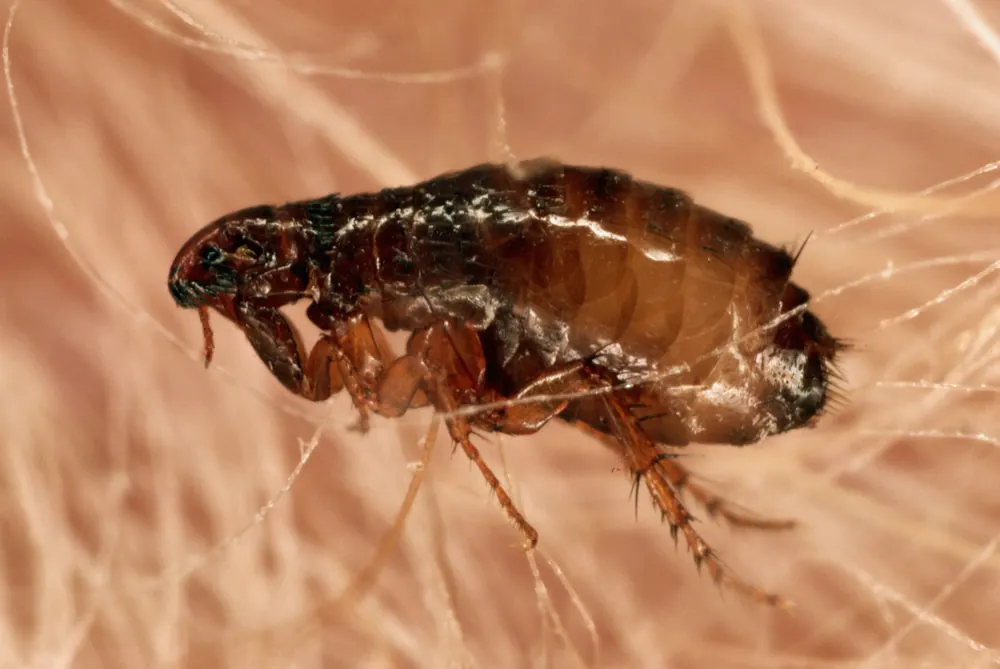
Fleas in a Lynnwood home are rarely just a pet problem. For every flea you see on a dog or cat, many more are developing as eggs, larvae and pupae in carpets, pet beds, under furniture and in the shady parts of the garden where the animals lie. Clearing them means treating the house and the yard at the same time as the pets are treated by your vet, then breaking the cycle with a follow-up.
Why fleas do so well on Lynnwood properties
Big gardens usually mean dogs, often more than one, and dogs on a large stand have favourite spots: under a hedge, beneath a deck, on the cool paving by the back door, in a kennel or under the cottage stoep. Those spots are where flea eggs drop and larvae develop, protected from sun in the thick leaf litter and shade that mature Lynnwood trees provide. Fleas can't survive long in hot, dry, exposed soil, but they thrive in damp, shaded ground, and many gardens here have plenty of it.
Summer heat and humidity speed the life cycle up. That's why flea problems that simmered all winter can explode after the first warm, wet weeks of the season.
The moving-in surprise
One call we get regularly in Lynnwood: a family moves into a house that's been standing empty, and within days they're covered in bites. The previous owners had pets. Flea pupae can sit dormant in a carpet for a long time, then hatch all at once when they sense vibration and warmth from people walking around. The new owners have no pets at all, and the fleas head straight for their ankles. If that sounds like you, the house needs treating, not you.
Signs of fleas
- Small, itchy red bites, usually around ankles and lower legs
- Pets scratching, biting at their back or losing fur near the tail
- Tiny dark specks in pet bedding that turn reddish on a damp tissue (flea dirt)
- Small dark insects jumping onto white socks when you walk across the carpet
If the bites are on your upper body and you don't have pets, the cause may be something else altogether. Our page on biting insects in Lynnwood walks through the usual suspects.
How we treat fleas
We ask about your pets, look at where they sleep and lie, and check the house and garden for the main breeding spots. Indoors, we treat carpets, rugs, under furniture, pet beds and skirting with a product that kills adult fleas and stops the young ones from developing. Outside, we treat the shaded areas the animals use: under decks, hedges, kennels, along walls and in the garage. Because pupae are protected inside their cocoons, some fleas will still hatch over the next while. They die on contact with the treated surfaces, and a follow-up visit picks up the stragglers.
You can stay home. Keep children and pets off treated floors and lawn until they're dry, and have the animals treated by your vet on the same day if possible.
The common mistake
Treating only the dog. A flea tablet or collar kills fleas that jump on the animal, but the house and garden keep producing new ones for weeks. The reverse also fails: treating the house while the dog keeps carrying fleas in from the garden. All three, pets, house and yard, need doing together.
Prevention tip for Lynnwood gardens
Rake out the leaf litter under the hedges and decks where your dogs like to lie, and let some light in by trimming the lowest branches. Fleas need shade and moisture to develop, and opening those spots up to the sun makes them much less suitable. Wash pet bedding on a hot cycle every week or two, and vacuum carpets often during summer. Empty the vacuum bag outside straight away.
What does it cost?
It depends on the size of the house and how much of the garden needs treating, how many pets there are and how heavy the infestation is. A small home with a mild problem caught early is a modest job. A large property with several dogs, a cottage and a big shaded garden takes more. A follow-up is often part of the plan. If it's a very light case, regular vacuuming and properly treated pets might be enough, and we'll tell you so.
See our flea control service for Pretoria for how we work across the city, or flea treatments in Waterkloof for the large gardens on the ridge. Everything else we treat locally is on the Lynnwood pest control page.
We're SAPCA registered with 25 years in pest control. Fleas back within three months of our treatment? We come back too. Call 012 012 5526, or WhatsApp us a picture of the bites or what you've found in the pet bed.
Questions we get asked
We don't have pets. How can we have fleas?
Fleas left by previous owners' pets can lie dormant in carpets and hatch when new people move in. Stray cats or wildlife under the house can also bring them.
Why am I still seeing fleas after treatment?
Pupae in their cocoons aren't affected until they hatch. Newly hatched fleas die on the treated surfaces, so a few sightings in the following days are normal.
Is the treatment safe for my dogs?
Yes, once it's dry. Keep pets off treated areas until then, and have your vet treat the animals themselves.
Should I vacuum before you treat?
Yes. Vacuum thoroughly beforehand, and keep vacuuming afterwards, because it stimulates pupae to hatch and pick up the treatment.
Do fleas live in the lawn?
Not much in open, sunny lawn. They develop in shaded, sheltered spots where pets rest, like under decks, hedges and kennels.