
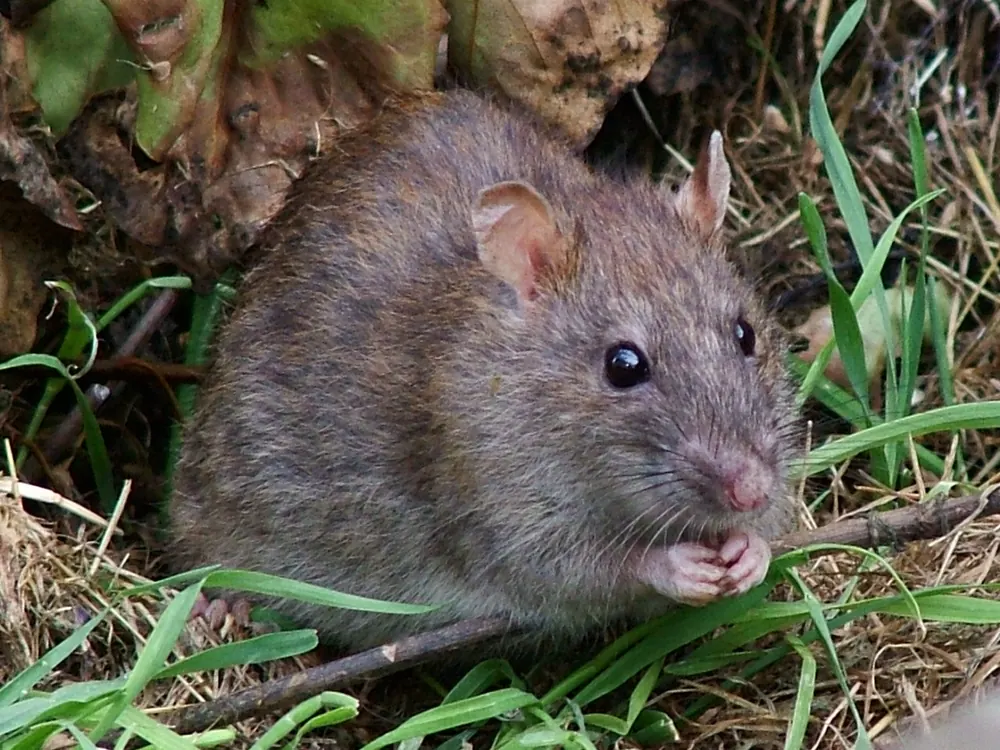
If something is running across your ceiling at night in Lynnwood, it's most likely a roof rat, and the way it got there is most likely a tree. The fix is to trap or bait it safely, then cut off the route it uses so the next one can't follow. We've handled a lot of rat jobs in this suburb, and the pattern is consistent enough that we usually know where to look before we've climbed into the roof.
The Lynnwood rat: a climber with a garden to live in
Roof rats, also called black rats, are slim, long-tailed and very good climbers. They nest high up: in roof voids, thick creepers, palm fronds and dense hedges. Lynnwood's mature gardens suit them perfectly. Big trees lean over roofs, bougainvillea and ivy cover walls, and fruit trees, bird feeders and pet bowls supply food. A rat can live in the garden all summer and move into the ceiling as soon as nights get cold.
Brown rats are the ground-level version: heavier, burrowing under paving, sheds, compost heaps and around drains. They're more common where there's refuse, such as bin areas behind shops and offices, and they come into houses through gaps under doors and around pipes.
What you'll notice
The first sign is usually sound: scurrying or a rolling noise in the ceiling as you go to bed. After that, people find droppings on top of cupboards or in the garage, chewed fruit on the lawn, a gnawed irrigation pipe or a hole in a refuse bag. Dogs often know first. If yours keeps staring at the same patch of ceiling or barking at a corner of the garden at night, take it seriously.
How we clear rats from a Lynnwood property
We inspect the roof void, garage and outbuildings, and walk the garden. We're looking for nests, droppings, rub marks along beams and the specific way in: a branch over the roof, a broken air brick, a gap where the fascia board has pulled away, or a hole around a geyser pipe.
In the garden and along boundaries we place lockable, tamper-resistant bait stations, which keep the bait away from children, dogs, cats and birds. In the roof itself we generally use traps, which means no rats dying in a cavity where you can't get at them. Once activity drops, we show you exactly what to seal and trim, and we come back to check.
The mistake: loose poison in the ceiling
This is what most people try first, and it's the reason many Lynnwood houses have rats every winter. Loose bait gets dragged off and stashed. Rats that eat it may die inside a wall or between ceiling boards and leave a smell for weeks. And since the overhanging branch is still there, a new rat moves in the following season. Baiting without closing the route is only half a job.
After the rats have gone
Once the roof is quiet, it's worth a look at what they left behind. Rats flatten and soil ceiling insulation, chew the plastic on wiring and leave droppings and urine on the ceiling boards. Wear gloves and a dust mask, dampen droppings with a disinfectant before you lift them, and don't use a dry broom or a household vacuum, which throws dust into the air. If insulation is badly soiled, replacing that section is often simpler than cleaning it. Then keep an ear open for a few weeks. New noise usually means a gap we haven't found yet.
A local tip worth doing this weekend
Pick up fallen fruit and nuts every day while your trees are dropping, and bring dog food in at night. On large Lynnwood stands with avocado, citrus, pecan or mulberry trees, windfall fruit is the food that keeps rats fat and breeding in your garden. Take it away and baiting works much faster.
What does it cost?
It depends on the size of the property, how many stations and traps we need, whether there's roof work involved, and how many follow-up visits it takes. A single house with rats in the ceiling is a fairly straightforward job. A large stand with outbuildings, a cottage and a heavy garden population takes more. Businesses with food and waste areas usually do better on a monitoring contract. We quote after we've seen the site.
Rats often bring company. If the kitchen also has cockroaches, see cockroach treatments for Lynnwood kitchens. Nearby, we also handle rats in Faerie Glen, and right across the city through our Pretoria rat control service. For things you can do yourself first, read how to get rid of rats, and for everything else we treat locally, go to pest control in Lynnwood.
We're SAPCA registered, and if rats come back within three months of treatment, so do we, at no extra charge. Heard something overhead last night? Phone 012 012 5526, or WhatsApp us a photo of what you've found.
Questions we get asked
How do rats get into a roof with no obvious holes?
Usually from above. Roof rats jump from overhanging branches onto gutters and roof sheets, then slip under loose tiles, fascia boards or gaps at the eaves.
Is it a rat or a bird in my ceiling?
If the noise is at night and sounds like running or gnawing, it's almost certainly a rat. Birds are noisier at dawn and during the day.
Are bait stations safe around my dogs?
Yes, that's what they're for. The bait sits inside a locked box that a dog can't open, and we position stations away from where pets play and sleep.
Should I cut down the tree the rats use?
You rarely need to. Trimming the branches back so they're well clear of the roof is usually enough to break the route.
Can rats chew through electrical cables?
Yes. Rats gnaw constantly, and cables, irrigation pipes and plastic fittings in roof voids are common targets, which is one reason not to wait.
Do I need to clean up after the rats are gone?
It's a good idea. Wear gloves and a mask, dampen droppings with disinfectant before removing them, and don't sweep them dry.