
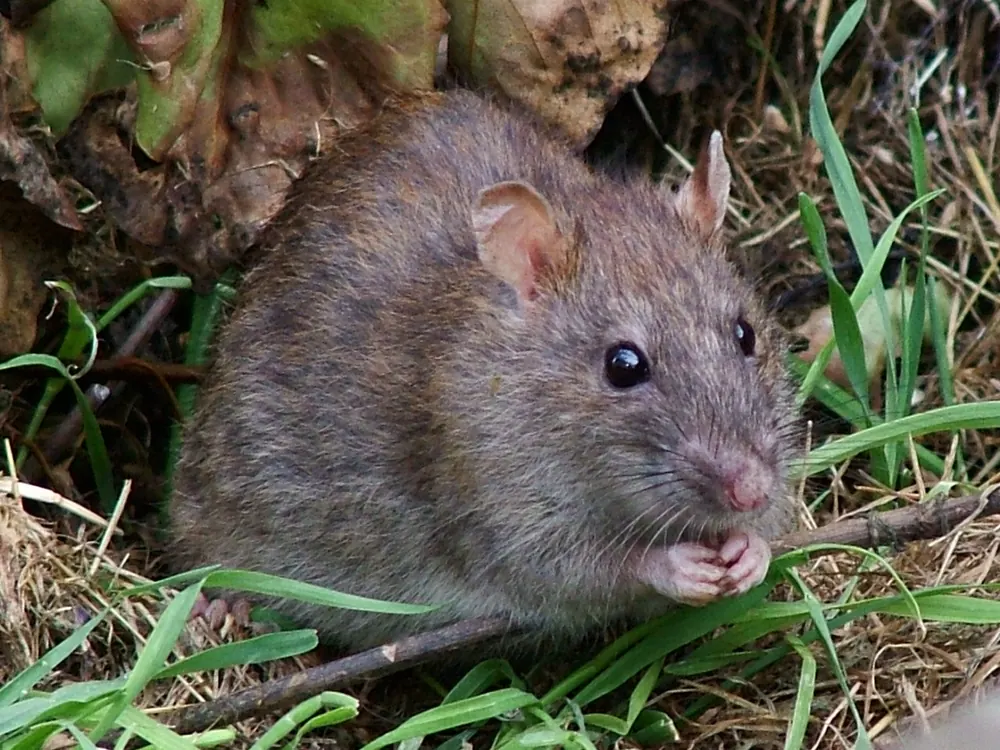
A rat problem here can be solved properly: we find where the rats are coming from, bait them in locked stations or trap them where bait isn't suitable, and then help you shut the way in. Skip that last part and the rats return, so we treat it as part of the job rather than an extra.
Where Moreleta Park rats come from
Properties that back onto the Moreleta Spruit or other open ground tend to see the most rat activity. The reeds, long grass and water along the stream are good rat habitat, and from there it's a short trip across a boundary wall to a compost heap, a chicken run or a garage. Further from the spruit, the sources are more domestic: overflowing wheelie bins, bird feeders spilling seed, dog food left out overnight, and fruit trees dropping fruit onto the lawn.
Shopping centres and restaurants in the area generate food waste too, and rats that live around commercial bin areas will forage into nearby homes when their usual supply changes.
Two rats, two different problems
The roof rat is slim, agile and long-tailed. It climbs vines, trees, downpipes and walls, then gets under the roof sheeting or through a gap at the eaves. If the noise is above your head, this is almost certainly the one. The brown rat is bigger and heavier and prefers to stay low. It burrows under paving, slabs, sheds and compost, and comes in through drains and gaps around pipes. Burrows with smooth, worn entrances at the base of a wall are a brown rat sign.
We need to know which species we're facing because the bait placement, the trap positions and the gaps worth sealing are completely different for each.
Signs worth taking seriously
- Scratching or scurrying overhead, mostly from dusk onwards
- Dark droppings near the geyser, along roof beams or in the garage
- Chewed irrigation pipe, gnawed plastic bins or damaged wiring
- Dark greasy marks along a wall or beam where they run every night
- A dog fixated on one corner of the garden or one spot on the ceiling
What a rat treatment involves
First, the inspection. We look at the roof void, garage, outbuildings, garden and boundary, and map where the rats are feeding, nesting and travelling. Then we place lockable, tamper-resistant bait stations on those routes, outside and in protected spaces, so pets and children can't get at the bait. In the roof and in living spaces we lean on traps, which avoids rats dying in a ceiling cavity. Once activity drops off, we walk you through the proofing: which gaps to close, which branches to cut, and what to fit to doors and air bricks.
Because rats are wary of new objects, they often ignore stations for the first few days. That's normal. Follow-up visits let us check takes and move stations if needed. For restaurants, shops and schools in the area, we can turn this into a scheduled monitoring contract, with every station numbered and checked on each visit.
The usual mistake
Buying a box of bait and throwing it into the roof hatch. It feels like action, but loose bait gets dragged into walls, rats die in places you can't reach, and the smell lasts for weeks. Meanwhile the gap at the eaves is still open for the next arrivals.
A tip for homes near the spruit
If your back wall faces the stream or a green belt, keep a strip along the inside of that wall clear of compost, wood stacks, rubble and dense shrubs. Rats prefer to travel under cover. A bare strip, with a couple of bait stations on it, catches them at the boundary rather than at your back door.
What does it cost?
The price depends on the size of the property, how many stations are needed, whether we work in the roof, and how many follow-up visits the infestation takes. A house with a couple of roof rats is straightforward. A property on the spruit with heavy activity, or a restaurant that needs ongoing monitoring, takes more. For one rat seen once in the garden, a well-placed trap may be enough.
For more, read our guide on how to get rid of rats or see how we handle rats across Pretoria. Rats and cockroaches often share the same food sources, so roach treatment in Moreleta Park may be worth a look, along with the full Moreleta Park pest list. We also deal with rats in Faerie Glen next door.
Every rat job carries our 3-month guarantee, so if they're back within three months, so are we. Ring 012 012 5526, or WhatsApp us a picture of the droppings or damage.
Questions we get asked
Why do the rats only seem active at night?
Rats are nocturnal and move most when the house is quiet. Roof rats in particular start running the beams soon after dark.
Is my house more at risk because it backs onto the Moreleta Spruit?
Usually, yes. The vegetation and water along the stream suit rats, and houses on that edge are the first stop when they forage.
Why are the rats ignoring the bait station?
Rats are naturally suspicious of new objects. It's common for them to avoid a station for several days before they start feeding.
Can rats chew through irrigation and electrical cables?
Yes. Gnawed drip lines and wiring in roofs are common rat damage, and damaged wiring is a fire risk worth checking.
Do I need to keep my dogs inside during treatment?
No. The bait is locked inside stations your dogs can't open. We still place stations away from where pets spend their time.
Will one visit be enough?
Light activity sometimes clears quickly, but most rat jobs need at least one follow-up so we can check the stations and confirm the rats are gone.