
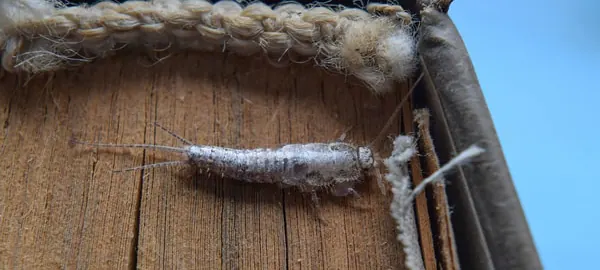
Fishmoths, also called silverfish, are small, wingless, silvery insects that feed on starch, glue, paper and fabric. If you're finding them in cupboards, bookshelves or the bathroom, the fix is a treatment aimed at the cracks and voids where they breed, combined with cutting the humidity and clutter that let them thrive. A quick spray on what you can see doesn't reach the colony.
Why we see them so often in this suburb
A lot of Moreleta Park houses have been family homes for many years, and they've built up exactly what fishmoths need: floor-to-ceiling built-in wardrobes, linen cupboards packed with seldom-used sheets, a study with boxes of school projects, a garage full of cartons and old magazines. Fishmoths live in the dark gaps behind and under those cupboards, in the voids under the bottom shelf, along the edge of the skirting and in the cardboard itself.
Bathrooms are the other hotspot. Summer storms push humidity up, and a bathroom without a working extractor fan or an opening window stays damp, which suits them perfectly. In townhouse complexes with small, enclosed bathrooms, we often find fishmoths along the edges of the bath panel and behind the vanity.
What to look for
- Fast, silvery, carrot-shaped insects with three bristly tails, usually seen at night or when you move something
- Irregular holes or scraped surfaces on paper, book covers, wallpaper and labels
- Yellowish stains or small, pepper-like droppings on stored linen
- Damage to clothing made of cotton, linen or rayon, especially items with starch or food stains
- Tiny shed scales in drawers or on shelves
How we deal with fishmoths
We start by working out where they're breeding. Usually that's a handful of places: a particular cupboard, the bookshelves, the space under the bath panel, a box-filled storeroom. Then we treat those areas with an odourless, non-staining residual product, working it into the cracks, voids, shelf edges and skirting where fishmoths hide. It doesn't mark clothing or linen, and you don't have to empty the whole house, although we'll ask you to clear the worst cupboards before we arrive.
In homes with heavy activity, we may suggest a second visit to catch nymphs that hatch after the first treatment. Children and pets should wait until the treated areas have dried.
The mistake that lets fishmoths stay
Most people deal with fishmoths by spraying whatever they find on a shelf and wiping it down. The insects you see are only a fraction of the population, and they shelter in places a household spray never reaches. Mothballs don't do much against fishmoths either; they're aimed at clothes moths and simply leave the cupboard smelling of camphor.
Making your home less welcoming
- Run the extractor fan or open the window after showers, and fix any leaks under basins and baths.
- Move books, papers and photos out of cardboard boxes and into sealed plastic crates.
- Don't store linen and clothes that have been starched or have food marks; wash them first.
- Vacuum along the bottom of built-in cupboards and the edges of shelves now and then.
- Clear out stacks of old newspapers and magazines from the garage.
A tip for older homes here: fishmoths often breed in the hollow space under the bottom drawer or shelf of a built-in wardrobe, which almost nobody looks at. Remove the bottom drawer, vacuum out the void and you'll often find the source.
Why it's worth acting
Fishmoths don't bite or spread disease. But they can ruin documents, family photos, books and textiles over time, and they're often a sign of damp or high humidity that's worth sorting out for other reasons. Wallpaper and bookbinding glue are favourite foods, so damage can show up in unexpected places.
What does it cost?
The cost depends on the size of the home, how many rooms and cupboards are involved, and how established the population is. Treating a bathroom and a couple of cupboards is a modest job. A house with fishmoths in several wardrobes, a study and a storeroom takes longer. If you've seen one or two in the bathroom and nothing else, improving ventilation and drying the room out may be enough to make them move on.
Fishmoths often turn up alongside other crawlers. If you're also seeing small brown roaches in the kitchen, see our Moreleta Park cockroach page. The whole range of local services is on pest control in Moreleta Park. For the city-wide view, try fishmoth treatment in Pretoria, and if you're nearby, fishmoth control for Garsfontein homes.
Every fishmoth treatment comes with our 3-month guarantee, so a return visit is covered if they reappear. To book, call 012 012 5526, or WhatsApp a photo of the insect or the damage.
Questions we get asked
Are fishmoths and silverfish the same thing?
Yes. Fishmoth is the common South African name for silverfish, the small, silvery, wingless insects that feed on paper, glue and fabrics.
Do fishmoths bite or carry disease?
No. They're harmless to people and pets. The problem is damage to books, documents, photographs, clothing and wallpaper.
Why do I find fishmoths in the bathroom?
They need humidity. Bathrooms that stay damp after showers, or that have small leaks, give them the moisture they need.
Will the treatment stain my clothes or linen?
No. We use odourless, non-staining products applied to cracks, shelf edges and voids rather than onto your clothes.
Do mothballs keep fishmoths away?
Not reliably. Mothballs are aimed at clothes moths, and fishmoths hiding in cupboard voids are hardly affected by them.
Can fishmoths damage important papers?
Yes. They graze on paper and the glue in bindings and envelopes, so store documents and photos in sealed plastic containers.