
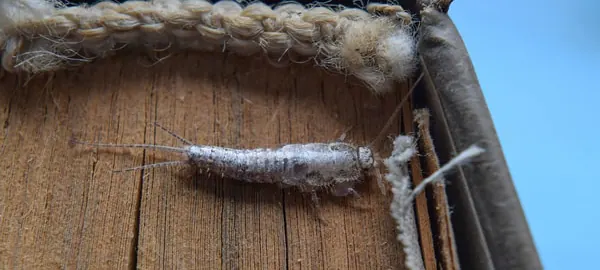
Fishmoths, also called silverfish, are a nuisance rather than a danger, but they damage paper, fabric and stored items over time. In Garsfontein homes they're mostly found in built-in cupboards, bathrooms, bookshelves and the boxes packed into garages and storerooms. The cure is a treatment of the gaps they hide in, plus less humidity and less undisturbed clutter.
What draws fishmoths in a family home
They like dark, still, slightly damp places and anything starchy. That means paper, cardboard, wallpaper paste, book bindings, cotton and linen, and the glue on old photo albums. A busy family house builds up exactly this kind of stuff: years of school projects in boxes, children's books on low shelves, linen cupboards that are rarely fully emptied, and stacks of cardboard in the garage after a move or a big shop.
Bathrooms without good ventilation, a geyser cupboard with a slow drip, and cupboards on an outside wall that gets cold and damp in winter add moisture. In older freestanding homes, gaps behind skirting boards and built-in cupboards give them years of undisturbed shelter.
Signs of fishmoths
- Small, fast, silvery, carrot-shaped insects that dart away from light
- Irregular holes or scraped surfaces on paper, book covers and labels
- Yellowish marks and small holes in stored clothing and linen
- Tiny pepper-like droppings on shelves
- Shed scales or skins in cupboard corners
Fishmoths are long-lived for an insect and breed slowly, which is good and bad news. It means a few seen now and then may be all you have. It also means that a cupboard full of them has been building up for a long time, often years, behind the shelves or in a box nobody has opened since the last house move.
Fishmoth or moth?
People often confuse fishmoths with clothes moths, but they're quite different. Fishmoths don't fly. They run. If you're seeing small moths fluttering out of the pantry, it's more likely a pantry moth, and our page on stored food pests in Garsfontein deals with those.
How we treat
We start by finding where they're concentrated. That's usually cupboards, bathroom cabinets, bookshelves and the garage. We then work an odourless, non-staining residual product into the cracks and crevices where they hide: the back edges of shelves, the gaps along skirting boards, behind built-in cupboards, around plumbing and in roof hatches where they're relevant. For heavier infestations in a lot of stored boxes, we may suggest treating the storage area itself while it's emptied.
You don't need to leave the house. Clothes and linen should be taken out of a cupboard before we treat it, and put back once the surfaces are dry.
What people commonly get wrong
Mothballs. Many people put naphthalene balls in the cupboard and assume the job's done. They're smelly, they're unpleasant to have around small children, and they don't reliably deal with fishmoths hiding in the cracks behind the shelf. A crack-and-crevice treatment and better storage do far more.
Preventing them coming back
- Swap cardboard boxes in the garage for sealed plastic tubs, and keep them raised off the floor.
- Run the bathroom extractor fan or open the window after showers, and fix dripping taps in cupboards.
- Empty the linen cupboard once or twice a year, wipe it out and leave it open for a day.
- Keep old newspapers and magazines to a minimum. They're fishmoth food.
A Garsfontein tip
A lot of local families store years of school reports, artwork and certificates. If those matter to you, keep them in sealed plastic sleeves or a closed plastic box inside the house, not in a cardboard carton on a garage shelf. Garages in this area get hot in summer and damp in winter, which is ideal for fishmoths and hard on paper.
What does fishmoth control cost?
It depends on how many rooms and cupboards need treatment and how much storage space is involved. A couple of bathroom and bedroom cupboards is a small job. A whole house plus a packed garage or storeroom is bigger. If you've seen a single fishmoth in the bath, it probably doesn't need professional treatment at all. Better ventilation and a tidy-up may be enough.
For more on our approach across the city, see fishmoth control in Pretoria. Fishmoths often get covered as part of a general treatment for cupboard and skirting-board insects; our crawling insect treatment in Garsfontein explains how that works. We also treat fishmoths in established homes in Waterkloof, while our Garsfontein page lists everything else we do nearby.
We're SAPCA registered with 25 years of experience. If fishmoths reappear within three months of treatment, we'll return under our guarantee. Ring 012 012 5526, or WhatsApp through a picture of the damaged book or garment and we'll take it from there.
Questions we get asked
Are fishmoths harmful to people?
No. They don't bite or carry disease. The problem is the damage they do to paper, books, photos and stored fabric.
Why do I find fishmoths in the bath?
They wander in looking for moisture and can't climb the smooth sides to get out again. It's often a sign of humidity in the bathroom.
Do I have to empty my cupboards before treatment?
Yes, for the cupboards being treated. Clothing and linen should come out so we can reach the cracks, and go back in once the surfaces are dry.
Will cedar blocks or mothballs keep fishmoths away?
Not reliably. They may discourage a few, but they don't reach the insects hiding in cracks. A targeted treatment and sealed storage work much better.
Can fishmoths damage my books?
Yes. They graze on the paper, glue and bindings, especially in damp, closed bookcases, leaving scraped and holed surfaces.
How long does a fishmoth treatment last?
The residual treatment keeps working in the cracks for a good while, and our guarantee covers three months. Reducing humidity and clutter makes the result last much longer.