
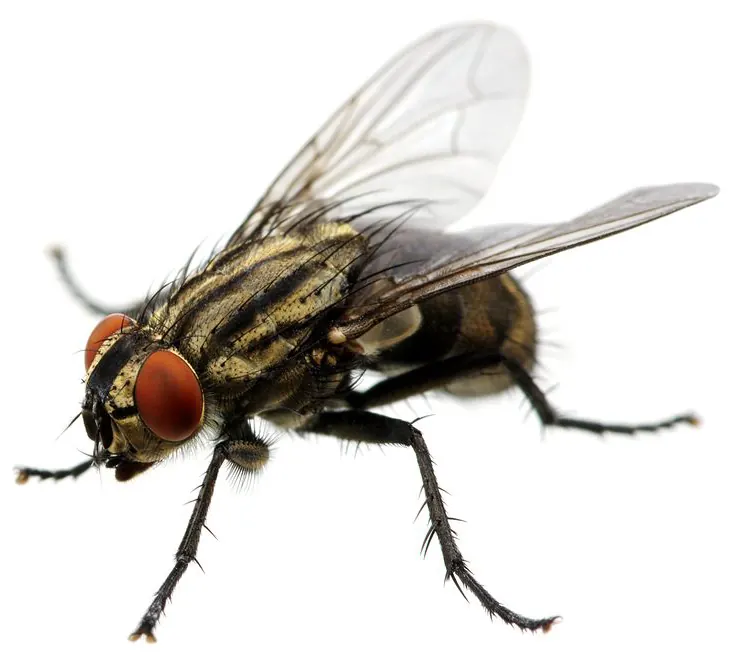
The quickest way to fewer flies is to find where they're breeding and remove it. Sprays and swatters deal with the adults, but a single bin, drain or patch of dog mess can produce a new generation in a matter of days in Pretoria's summer heat. Our fly control starts with tracking down the source, then treating the places flies rest and gather. For restaurants, food producers and warehouses, we set up scheduled monitoring so the problem stays under control rather than flaring every summer.
Why flies are so bad in a Pretoria summer
Flies breed fastest in warmth and moisture, and from October to March the Highveld gives them both. Hot days speed up their life cycle, and afternoon thunderstorms keep bins, compost, drains and garden waste damp. The result is that a fly problem that's mild in spring can be out of hand by December. In winter numbers drop sharply, which is why many people assume the problem has been solved, only to see it return with the first warm weeks.
Which fly do you have?
Different flies point to different sources, so it's worth a closer look.
- House flies: the familiar grey fly around the kitchen and patio table. They breed in rotting organic waste: bins, compost, animal droppings and spilled food.
- Blowflies: larger, shiny green or blue flies, often loud. They're attracted to meat, dead animals and pet food. A sudden burst of blowflies indoors can mean a dead rat or bird in the roof or wall cavity.
- Fruit flies: tiny flies hovering around the fruit bowl, wine glasses and bins. They breed in fermenting fruit, juice spills and the gunk in drains.
- Drain flies: small, fuzzy, moth-like flies on bathroom and kitchen walls. They breed in the film inside drains and floor traps.
Where the source usually is
In homes, the usual suspects are wheelie bins left in the sun, compost heaps, dog runs that aren't cleaned daily, fallen fruit under trees and blocked or slow drains. For businesses, the list includes refuse areas, grease traps, drains under prep counters, spilled product in warehouses and organic waste from loading bays. Sometimes it's not on your property at all; a neighbour's chicken run or a nearby refuse area can supply flies to a whole street, and we'll tell you if that's what we find.
How we treat flies
Inspection and source reduction
We look at the property with fly breeding in mind: waste areas, drains, animal areas, fruit trees and anything damp and organic. We'll show you what needs to change, because no treatment beats a breeding site that's still active.
Residual treatment of resting surfaces
Flies rest on walls, ceilings, eaves, light fittings and the underside of patio roofs, especially near where they breed. We treat those surfaces with an odourless, non-staining residual product, so flies landing there are killed. Indoors we focus on areas away from food preparation surfaces. Keep kids and pets off treated areas until they've dried; you don't need to leave the house.
Drains and breeding sites
For drain flies and fruit flies, cleaning out the organic film in drains and traps is essential, and we'll advise on how to do it properly. Breeding sites in waste areas can be treated directly.
Monitoring for businesses
Restaurants, food producers, schools with kitchens and warehouses can have flies included in a scheduled monitoring contract. Regular visits mean we treat resting areas, check waste and drain hygiene, and keep a written record that's useful when health inspectors or auditors ask. Cockroaches and rodents usually share the same waste areas, so cockroach control often goes into the same contract.
The mistake that keeps flies coming back
Treating the kitchen and ignoring the bins. Many households and businesses spray indoors every summer while the bin area or the drains a few metres away keep breeding thousands more. The other one: hanging lots of sticky strips and assuming the problem is handled. They catch flies, but they don't change how many are being produced.
A Pretoria tip
In summer, rinse your wheelie bin and leave it to dry upside down after collection day, and keep it in the shade if you can. On a hot Highveld afternoon, a bin standing in full sun with a bit of rotting food at the bottom is an almost perfect fly nursery.
Prevention
- Bag all food waste and keep bin lids closed.
- Pick up dog mess daily, and keep compost covered and turned.
- Clear fallen fruit under trees, especially figs, peaches and plums.
- Pour boiling water down slow drains weekly and clean floor traps.
- Fit screens on kitchen windows that stay open in summer.
What does fly control cost?
For a home, the price depends on the size of the property and how many areas need treatment. For a business, it depends on the size of the site, the type of operation and how often it needs servicing. If the problem is a single dirty bin, cleaning it might be all you need, and we'll say so.
Flies are part of a bigger summer picture, so take a look at flying insect control in Pretoria if mosquitoes and midges are also a problem. If your flies are tiny ones coming out of the pantry, it may be a stored product pest instead. We treat flies right across the city, including fly control for Centurion businesses and homes.
We're SAPCA registered, with 25 years in the trade, and our 3-month guarantee means that if the treated problem returns within three months, we come back. Call 012 012 5526 or WhatsApp us a photo of the flies.
Questions we get asked
Why are there suddenly lots of big green flies in my house?
A sudden burst of blowflies indoors often means something has died nearby, such as a rat or bird in the roof or a wall cavity. Finding and removing it stops them.
Can you get rid of flies completely?
Not outdoors, because flies travel in from surrounding areas. But removing breeding sites and treating resting areas cuts numbers dramatically around the house or business.
Is fly treatment safe in a restaurant?
Yes. We treat resting areas away from food preparation surfaces with odourless products, and a monitoring contract keeps everything documented.
What are the tiny flies in my bathroom?
They're usually drain flies, which breed in the film inside drains and floor traps. Cleaning the drains thoroughly is the main fix.
Do fly zappers work?
They can help indoors as part of a wider plan, but they don't stop flies breeding. Finding the source matters far more.
When is fly season in Pretoria?
From roughly October to March, when hot weather and summer storms speed up breeding. Numbers drop sharply in the cold, dry winter.