
To control flying insects, you have to deal with where they come from. Flies breed in waste and drains, mosquitoes in standing water, wasps in nests under the eaves, and flying ants pour out of termite colonies after rain. Spraying the air does very little. Finding and removing breeding sites, treating the surfaces where insects rest and targeting nests directly makes a real difference. That's how we approach flying insects at homes, restaurants, offices and estates across Pretoria and Centurion.
Summer on the Highveld: why flying insects explode
From October onwards, Pretoria's days get hot and the afternoon storms begin. Warmth speeds up insect life cycles, and rainwater collects in gutters, pot saucers, blocked drains, pool covers and old tyres. Bins and compost stay damp. The result is a rapid build-up of flies and mosquitoes through December and January, plus wasps raising their nests and flying termites emerging after the first big storm. By the cold, dry winter, most of it fades away, which can make people think the problem has gone for good.
The usual suspects
Flies
House flies, blowflies, fruit flies and drain flies each breed in a different place: rotting waste, meat and dead animals, fermenting fruit, and the film inside drains. Our fly control in Pretoria explains how to tell them apart.
Mosquitoes
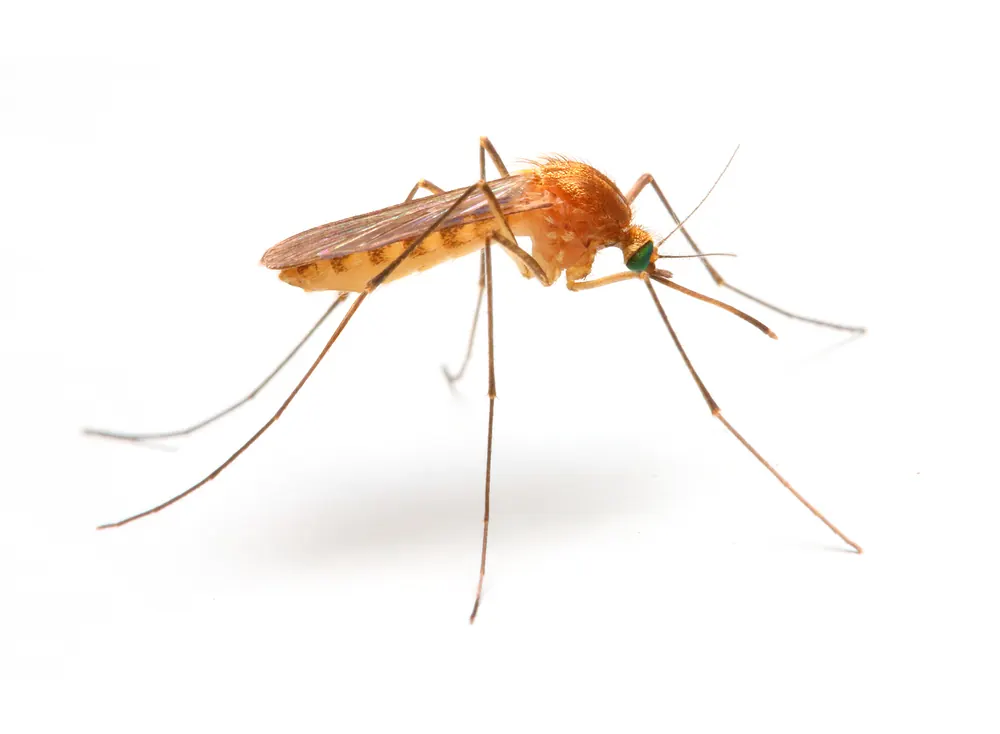
Mosquitoes need standing water to breed, and not much of it. A pot saucer or a blocked gutter can produce plenty over a summer. Homes near rivers, spruits, dams and wetlands, or with water features and unmaintained ponds, see more. Mosquitoes rest during the day in shaded, sheltered spots: under eaves, in dense shrubs, behind curtains and under furniture.
Wasps
Paper wasps build their umbrella-shaped nests under eaves, patio roofs, carports and gate motor covers. They're defensive around the nest and sting when disturbed. Wasp nest removal is a targeted job at the nest itself.
Flying ants (termite swarms)
After the first proper summer rain, termite colonies release thousands of winged reproductives that gather around lights. Outside, that's normal. But if they're coming from inside the house, from a wall, floor or door frame, it's a sign of an active colony in the building, and it's worth reading about termite control across Pretoria.
Moths and midges
Most moths and tiny midges around lights at night are harmless visitors. Pantry moths are the exception: if small moths are coming from your kitchen cupboards, the problem is in your food.
How we treat flying insects
- Inspection. We look for breeding sites and nests: standing water, waste areas, drains, eaves, roof gaps and dense vegetation where insects rest.
- Source removal. We'll show you exactly what needs to change, from cleaning gutters to sealing a bin area.
- Residual treatment of resting areas. We treat eaves, walls, patio ceilings and shaded areas where flies and mosquitoes rest, using odourless, non-staining products.
- Nest treatment. Wasp nests are treated directly and removed.
- Monitoring for businesses. Restaurants, food outlets and warehouses can have flying insects included in scheduled monitoring visits with service records.
You don't need to leave the house for these treatments. Keep children and pets off treated surfaces until they're dry.
The mistake we see most
Treating the insects and ignoring the water. People spray the patio and buy citronella candles every summer while the gutters overflow, the pool cover holds rainwater and the pot saucers stay full. Those mosquitoes are being produced a few metres away. Tip out standing water every few days during the rainy season and you take away most of their breeding sites.
A local tip for summer evenings
Outside lights next to doors pull flying insects towards the house, and the insects then slip inside when the door opens. Where you can, move lights away from doors, point them at the garden instead of the entrance, or switch to warmer, yellow-toned bulbs, which tend to attract fewer insects than bright white ones.
Prevention checklist
- Empty pot saucers, buckets, toys and anything holding rainwater.
- Clean gutters before and during the rainy season.
- Keep pool water treated and circulating, and don't let pool covers hold water.
- Close bins, rinse them out and pick up dog mess daily.
- Check the eaves for new wasp nests in spring.
- Fit insect screens on bedroom and kitchen windows.
What does flying insect control cost?
It depends on what we're treating, the size of the property, how many resting areas or nests there are and, for businesses, how often visits are needed. A single wasp nest or a fly problem traced to one dirty bin area is a small job. A restaurant with outdoor seating and a summer-long fly problem may be better on a monitoring contract. Sometimes the honest answer is DIY: if your mosquitoes are breeding in a few pot saucers, emptying them is free.
Homes, estates and businesses
Homes near water get more mosquitoes; estates with dams and green belts benefit from treating common areas as well as homes. Restaurants, schools with kitchens and food warehouses need fly control that stands up to inspections. We work across the whole city, including flying insects near the Faerie Glen reserve and flying insect problems in Centurion.
We're SAPCA registered with 25 years in the business, and our 3-month guarantee means that if the treated problem comes back within three months, we come back too. Call 012 012 5526 or WhatsApp us a photo of the insects or the nest.
Questions we get asked
Can you get rid of mosquitoes completely?
Not outdoors, because mosquitoes fly in from surrounding areas. Removing standing water and treating the places they rest around the house reduces them a lot.
Are flying ants a sign of termites in my house?
Only if they're coming from inside, out of walls, floors or door frames. Swarms outside after the first summer rain are normal across Pretoria.
Why are there so many insects around my patio light?
Bright lights attract night-flying insects. Moving lights away from doors, or using warmer, yellow-toned bulbs, usually reduces the numbers.
Do you treat restaurants with outdoor seating?
Yes. We find the breeding sources, treat resting areas away from food surfaces and can include flying insects in a scheduled monitoring contract.
Do citronella candles work?
They may help a little in a small area, but they don't stop mosquitoes breeding. Removing standing water makes a far bigger difference.
When is the worst time for flying insects in Pretoria?
Midsummer, roughly December and January, when heat and frequent storms create ideal breeding conditions.