
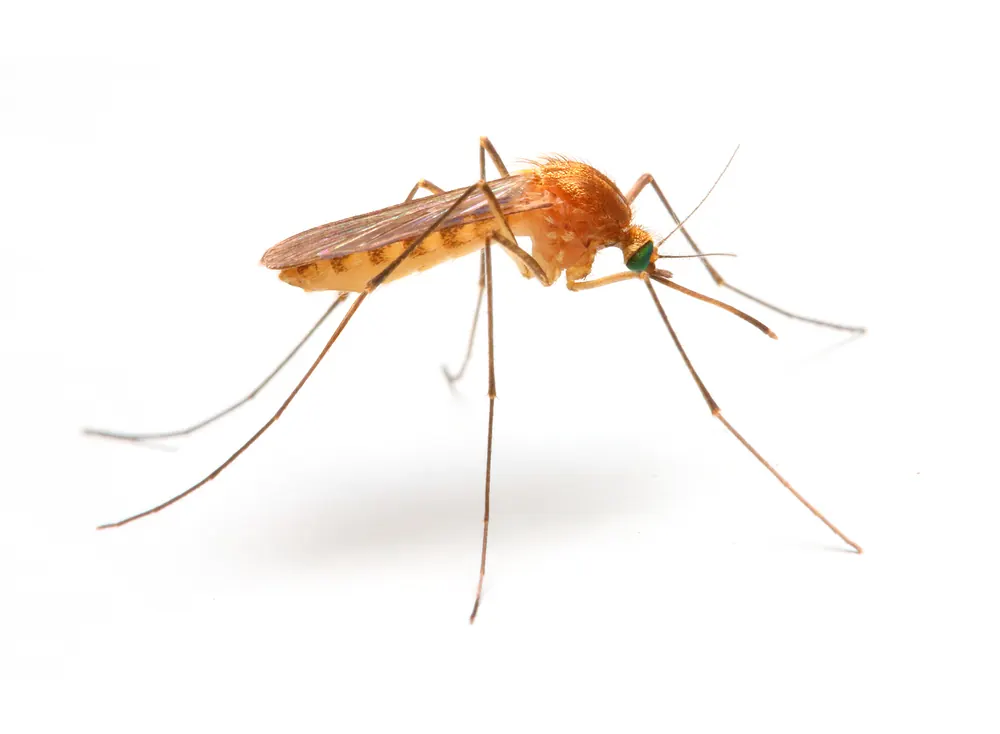
Controlling flying insects comes down to two jobs: removing or treating the places they breed, and treating the surfaces where adults rest during the day. Spraying into the air kills a few and the rest keep coming. In Faerie Glen, with a stream running through the reserve, lots of gardens with pools and water features, and warm, stormy summers, flying insects are a big part of our work from October to March.
The main flying insects in Faerie Glen
Mosquitoes
Mosquitoes need standing water to breed, and not much of it. A pot saucer, a blocked gutter, a pool cover holding rainwater, a bird bath that's never emptied or a forgotten bucket can all produce hundreds. Homes closer to the stream and low-lying, damp parts of the reserve often notice more mosquitoes, but in most gardens the main breeding sites are within the property itself.
Flies
House flies and blowflies breed in rubbish, compost, pet waste and anything rotting. Fruit flies and drain flies breed in kitchens and drains. Our page on fly control around Faerie Glen deals with them in detail.
Wasps
Paper wasps build nests under eaves, patio roofs and carports, and become more defensive as nests grow through summer. See wasp nest removal in Faerie Glen for how we handle them.
Moths and night-flying insects
Big moths, flying beetles and swarms of small insects gather around outdoor lights on warm nights. They're mostly harmless, but they attract spiders and geckos, and they can make a patio unusable.
Flying termites
After the first big storms, winged termites swarm out of the ground. They're a seasonal event, not a reason to treat the air, though a swarm coming from inside the house is a different matter and needs an inspection.
How we treat flying insects
- Find breeding sites. We walk the property looking for standing water, bins, compost, drains and nests, and show you what to empty, cover or fix.
- Treat resting areas. Mosquitoes and flies rest on shaded walls, under eaves, in dense shrubs and under patio roofs. We apply odourless, non-staining residual treatments to these surfaces.
- Treat nests for wasps, directly at the nest.
- Treat drains where drain flies are breeding.
- Repeat where needed during the peak season, as residual treatments wear down with heavy rain.
You can stay at home during treatment. Keep children and pets off treated areas until they're dry, and avoid hosing the treated walls for a few days.
What people often get wrong
Fogging the garden before a party. It knocks down the mosquitoes that are flying at that moment, but within a day or two the next batch hatches from the same water. Without dealing with breeding sites, fogging is a short-term fix at best. It also kills bees, butterflies and other insects you want in the garden.
A Faerie Glen tip
After every summer storm, do a five-minute walk round the house. Tip out pot saucers, buckets and toys, check that the pool cover isn't holding water, and clear leaves from gutters so they drain properly. Mosquito eggs hatch within days in warm weather, so a weekly tip-out after rain breaks the cycle before it gets going. If you have a pond or water feature, keep it moving or stocked with fish that eat larvae.
Complexes, villages and businesses
For complexes and retirement villages, we treat communal gardens, refuse areas, walkways and eaves on a summer schedule. For restaurants and food businesses, we combine fly control with monitoring as part of a regular service. In shared spaces, one neglected corner, such as a blocked stormwater drain or an untended water feature, can supply a whole complex with mosquitoes.
What does it cost?
Pricing depends on the size of the garden and house, how many breeding and resting areas there are, whether wasp nests or drains need treatment, and how many visits you want across the season. A one-off treatment before summer is a modest job. Repeat treatments through the season, or contracts for complexes and food premises, are quoted to suit. Often the most effective step costs nothing: emptying standing water.
For more, see flying insect control across Pretoria, and if you live a little further west, our Garsfontein flying insect treatments. Our full list of local services is on the Faerie Glen pest control page.
Treatments are guaranteed for three months by a SAPCA-registered team, so if the treated insects return in that time, we'll come back. Give us a ring on 012 012 5526, or tell us on WhatsApp what's flying around and when.
Questions we get asked
Why are there so many mosquitoes near my house?
Usually because they're breeding in standing water on or near the property. Gutters, pot saucers, pool covers and buckets are the common culprits.
Does living near the reserve stream mean more mosquitoes?
It can, especially in low-lying spots. But most mosquitoes in a garden breed within a short flight of where they bite, so clearing your own water helps a lot.
How long does a flying insect treatment last?
It lasts a few weeks in normal conditions. Heavy rain and hosing wear it down, so we often recommend repeat treatments through summer.
Is it safe to treat near the pool?
Yes. We treat resting surfaces like walls and eaves, not the pool water. Keep people and pets off treated surfaces until they're dry.
Will the treatment kill bees?
We avoid spraying flowering plants and use targeted treatments on resting surfaces, which keeps the risk to bees low.
Can you treat our complex's common areas?
Yes. We can treat communal gardens, refuse areas and eaves on a summer schedule agreed with the body corporate.