
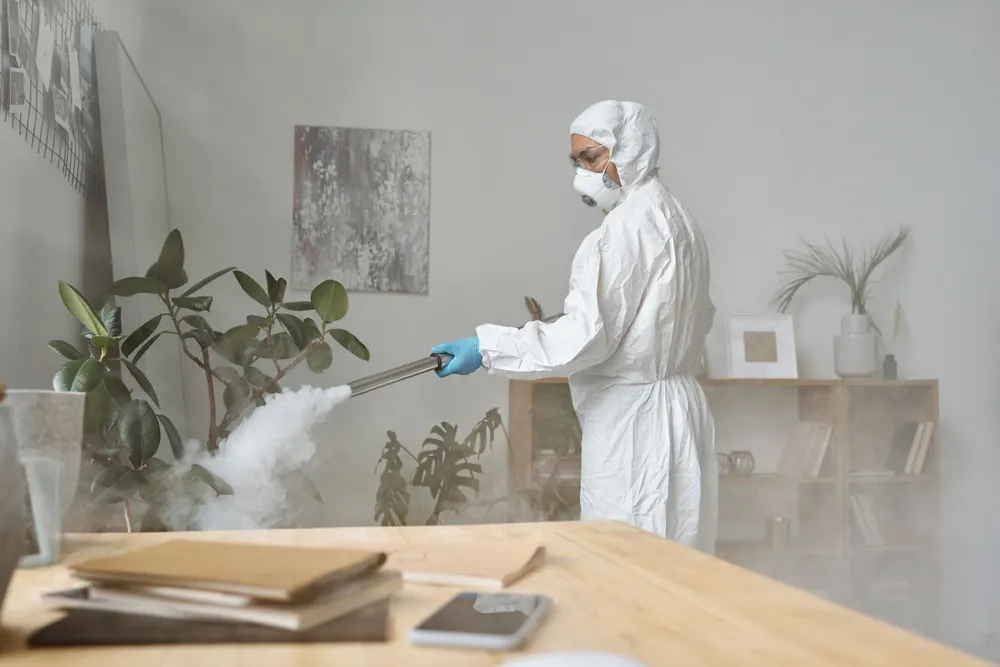
Most Equestria calls come from townhouse and cluster complexes, and the pests that cause trouble there are the ones that move between units: cockroaches through shared plumbing and walls, mice through linked roof spaces, ants along shared paving, and fleas brought in by pets living in small gardens. We can treat a single unit, but for anything that spreads, a plan that covers the whole complex works far better.
Why complexes behave differently
Equestria is an eastern suburb with a lot of complexes alongside newer freestanding homes. When ten or forty units share walls, roof voids, drainage and a refuse area, pests don't stay put. Treat one unit for cockroaches and they shelter next door until the product wears off. Bait for mice in one roof and the rest of the block keeps feeding them. That's why we like to talk to the body corporate or managing agent early, even when the first call comes from a single owner.
The four pests we see most
1. Cockroaches
German cockroaches live in kitchens and bathrooms and spread through plumbing ducts and wall cavities. The bigger American cockroach comes up from drains and sewer lines, often in ground-floor units. We use gel baits in kitchens and bathrooms and treat drain areas where the larger ones come from. You don't need to empty every cupboard or leave the house. See our cockroach work in Faerie Glen for more on the method.
2. Mice
Scratching above the ceiling, droppings in the pantry or the back of the stove drawer, chewed bread bags. Mice need a gap about the width of a pencil to get in, and complex roofs often have plenty. Bait stations outside, traps inside and sealing the obvious gaps handle most cases. The mouse control page for Faerie Glen and surrounds goes into how we find their entry points.
3. Ants
Ants nest under paving and in the small gardens between units, then come inside along skirting boards and window frames, especially before summer rain. Baits carried back to the nest beat any spray.
4. Fleas
Dogs and cats in small complex gardens pick up fleas from shaded, sandy spots and bring them into the house. Bites around ankles are usually the first sign. Treating the pet through your vet and treating the house and garden on the same day is what breaks the cycle. Our flea treatments in Pretoria explain why both are needed.
For owners and tenants
If you're in a single unit and the problem seems to be just yours, we'll inspect, treat and tell you honestly whether it's likely to come back from next door. Most indoor treatments are odourless and non-staining, and you can stay at home. Keep pets and children off treated surfaces until they're dry. If you rent, check with your landlord or agent first, as some leases make pest control the owner's responsibility.
For bodies corporate and managing agents
For a whole complex, we usually suggest three steps:
- A walk-through of the common areas, refuse area, roof access points and a sample of units, so we know where the pressure is.
- A coordinated treatment on agreed days, with notices to residents explaining what to expect.
- Scheduled monitoring of rodent bait stations and problem areas, with a written record for trustees.
Doing it this way costs less per unit than owners calling us one by one, and it actually stops the problem moving around the complex.
What people commonly get wrong
Setting off a bug bomb in one unit is the classic one. Foggers don't reach cockroach hiding places behind tiles and inside appliances, and they tend to drive the survivors into the walls and next door. A week later the neighbours have a problem, and so do you.
A local tip
Look at the complex refuse area. If bins sit uncovered or the area isn't hosed down regularly, it feeds the mice and flies for every unit. Raising it at the next trustee meeting does more than any single treatment.
What does it cost?
For a single unit, the price depends on the pest and the size of the home. Cockroaches and fleas usually need a follow-up visit. For a complex, the number of units, the size of the common areas and how often we monitor decide the quote. If you've only seen one or two ants, a store-bought bait may be all you need.
Equestria falls under our Faerie Glen area, and everything we do on that side of town is on the Faerie Glen pest control page. We're SAPCA registered, have 25 years of experience, and give a 3-month guarantee: if the pest comes back within three months of treatment, we return. Call 012 012 5526, or WhatsApp us a photo of what you've found.
Questions we get asked
Can you treat only my unit in a complex?
Yes. We'll treat your unit and tell you honestly whether the pest is likely to return from neighbouring units, in which case a wider treatment is worth discussing with the body corporate.
Who pays for pest control in a complex?
It depends on your rules and lease. Common areas are usually the body corporate's responsibility, while inside a unit it's often the owner. Check your conduct rules or ask your managing agent.
Why do cockroaches come up through my drains?
American cockroaches live in sewer and drain lines and come up through floor drains and gaps around pipes, especially in ground-floor units. Treating the drain areas helps.
How do I know if it's fleas biting me?
Small, itchy bites around the ankles and lower legs, especially after sitting on the couch or walking on carpets, are typical. Pets scratching more than usual is another sign.
Do residents need to leave during a complex treatment?
No. Normal insect and rodent treatments don't require anyone to move out. We send notices so residents know to keep pets and children off treated surfaces until they're dry.
Can you give trustees a record of what was done?
Yes. Scheduled contracts include a written record of each visit, the stations checked and any activity found.