
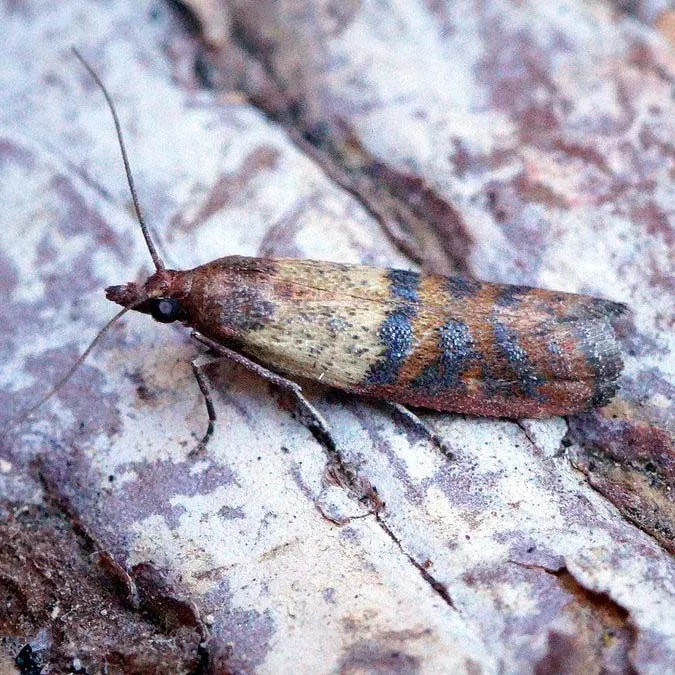
If you've found weevils, moths or small beetles in your dry food, the solution starts in the cupboard, not with a spray. Find every infested product, get rid of it, clean the shelves thoroughly, and then treat the cracks and corners where eggs and larvae hide. For warehouses, mills, bakeries and food businesses, stored product pests need a proper monitoring plan, and in heavy cases, fumigation of stock with registered fumigants. We've been dealing with all of this in Pretoria and Centurion for 25 years.
What are stored product pests?
They're insects that live and breed in dry food and other stored goods. The main ones we find in Pretoria homes and businesses are:
- Weevils: small, dark beetles with a long snout, in rice, maize, mielie meal, pasta and grains. The larvae develop inside the kernels, so you often don't see them until adults emerge.
- Pantry moths: small moths flying around the kitchen, with tiny caterpillars and silky webbing in cereal, flour, nuts, dried fruit, bird seed and pet food.
- Flour and grain beetles: tiny reddish-brown beetles in flour, cake mixes, semolina and other milled products.
- Biscuit and drugstore beetles: small brown beetles that eat almost anything dry, including spices, biscuits, dried herbs and even some medicines and paper products.
How they get in
Almost always, they come in already inside the product. A bag of mielie meal, a box of cereal or a sack of dog food can carry eggs from the mill, the warehouse or the shop shelf. Once home, adults spread to other packets, especially those that are open, rolled closed or stored in paper and thin plastic. Bird seed and dry pet food stored in a garage are among the most common sources we find, because they're bought in bulk and kept for months.
Why the Highveld climate matters
Insects in stored food breed faster in warmth. Pretoria's hot summers speed up their life cycle, so a few weevils in a bag in October can become a cupboard-wide problem by Christmas. The dry winters slow them down, but in a warm kitchen or a heated warehouse they never fully stop. Store rooms with poor ventilation, and food warehouses with steel roofs that get hot in summer, are especially prone.
Signs to look for
- Small moths flying in the kitchen, often at dusk
- Webbing or clumped food in cereal, flour or grain
- Tiny beetles crawling on shelves, the counter or the inside of cupboard doors
- Small holes in packaging
- Larvae or pupae in the corners of cupboards, in shelf brackets and in the seams of lids
Our process for homes
- Inspection. We help you go through the pantry and every other place dry goods are stored, including the garage, store room and pet food bins, to find the source.
- Clear-out. Infested food goes. Unopened products in sealed packaging that show no signs can usually stay, but check them carefully.
- Cleaning. Shelves, corners, shelf-pin holes and door hinges are vacuumed and wiped. This step removes most of the eggs and larvae.
- Targeted treatment. We treat cracks, crevices and shelf edges with a suitable residual product, away from food. Let shelves dry fully before restocking.
- Restocking advice. We'll show you how to store dry goods so this doesn't repeat.
Normal pantry treatments mean you can stay at home. Keep kids and pets away from treated surfaces until they're dry.
Warehouses, bakeries and food businesses
Commercial stored product pests are a bigger job. In a warehouse, mill, bakery, pet food store or distribution centre, infestations can move through pallets and stock fast, and a single infested consignment can spread. We set up scheduled monitoring contracts with regular inspections, treatment of structural areas, stock rotation advice and service records for audits. Where stock is badly infested, fumigation with registered fumigants may be the only practical option. During gas fumigation, the sealed area has to be vacated until it's been cleared, and we plan this with you so it fits your operation. Rodents follow the same stock, so rodent control is often part of the same contract. We do a lot of this work in the city's industrial areas, including Silverton and Pretoria West.
The common mistake
Throwing out the one infested packet and leaving it there. By the time you notice moths or weevils, eggs and larvae are usually in other packets, in the corners of the shelves and in the cupboard's hinges. If you don't clear and clean the whole storage area, the problem is back within weeks. The other mistake: spraying insecticide over the shelves with food still on them. Food must come out first.
A local tip
If you buy mielie meal, rice or dog food in large bags, decant it into airtight plastic or glass containers as soon as you get home, and finish older stock before opening new. For flour and grains you won't use quickly, a couple of days in the freezer before storing kills any eggs already inside.
What does stored product pest control cost?
For a household pantry, it's usually a small job, and honestly, many pantry problems can be solved with a thorough clear-out, a good clean and airtight containers. If it keeps coming back or has spread through several rooms, a treatment helps. For businesses, the cost depends on the size of the site, the type of stock, how often monitoring visits are needed and whether fumigation is required.
We treat stored product pests across the city, including stored product pests in Centurion. If what you're seeing in the kitchen is cockroaches rather than weevils, see cockroach control in Pretoria.
We're SAPCA registered, and our 3-month guarantee means that if the treated problem returns within three months, we come back. Call 012 012 5526, or WhatsApp us a photo of what you've found in the food.
Questions we get asked
Are weevils in food dangerous to eat?
They're not considered harmful in small amounts, but infested food should be thrown away because it's spoiled and will spread the problem.
Where did the pantry moths come from?
Usually from a product you bought that already contained eggs. Bird seed, pet food, nuts, flour and cereal are common sources.
Can I just use a spray in the cupboard?
Not with food inside, and not on its own. You need to clear infested products and clean thoroughly first, otherwise the eggs and larvae in corners survive.
Do sealed containers really help?
Yes. Airtight glass or plastic containers stop insects moving from one product to another and let you spot an infestation early.
When is fumigation needed for stored product pests?
Mainly for businesses with large amounts of infested stock, such as warehouses or mills. Most household pantries never need fumigation.
Do you offer monitoring contracts for food warehouses?
Yes. We set up scheduled visits for warehouses, bakeries and food businesses, with regular inspections, treatments and service records.