
Stored product pests, the weevils, beetles and moths that get into flour, rice, cereal, pasta, pet food and spices, are dealt with by finding and throwing out every infested item, cleaning and treating the cupboards and shelves, and then storing food so it can't be reinfested. They're one of the few pests where the cleanup matters more than the spray, and we'll guide you through both.
How they get into a Montana kitchen
Almost always in food. Weevils and pantry moths are already present in tiny numbers in many dry goods when they leave the shop or warehouse, as eggs or larvae you can't see. Once in a warm pantry, they hatch, breed and spread to other packets. In Montana, we see a lot of this in households that buy in bulk: big bags of maize meal, rice, flour and dog pellets bought from wholesalers and stored for months. The longer food sits, the more time a small, invisible infestation has to grow.
Newer homes in Montana's complexes and estates often have compact kitchens with a single pantry cupboard where everything is stored together. One infested packet can affect the whole shelf. Garages used for overflow storage, especially for pet food and bird seed, are another hotspot.
Who's in your pantry?
- Weevils: small, dark beetles with a snout, found in rice, maize, pasta and grain.
- Flour beetles: small, reddish-brown beetles in flour, cake mixes and cereal.
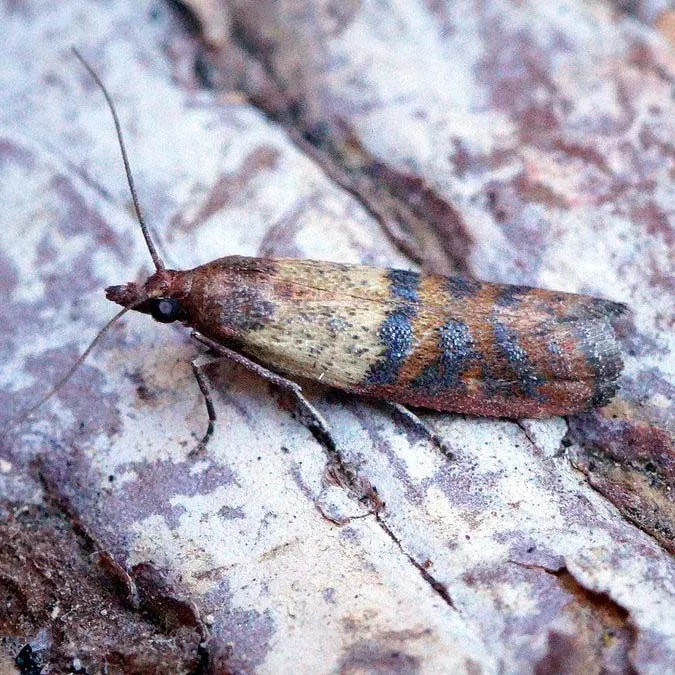
- Pantry moths: small grey-brown moths flying out of cupboards, with larvae that leave silky webbing in cereals, nuts, dried fruit and pet food.
- Biscuit and cigarette beetles: tiny, round, brown beetles in spices, biscuits, dried herbs and pet food.
Signs to look for
Small beetles crawling on shelves or inside packets. Fine webbing or clumping in flour, cereal or nuts. Small moths flying out when you open the pantry, especially in the evening. Tiny holes in packets, and a dusty residue on the shelves. If you've found small brown droppings and chewed packets, though, that's more likely rodents, and our page on mouse control in Montana will help.
Our process
- Inspection. We go through the pantry, kitchen cupboards and any storage in the garage or scullery to find every infested item and identify the pest.
- Clear out. We'll help you decide what needs to go. If in doubt, it goes. Infested food can't be saved by freezing or sieving once there's webbing and larvae through it.
- Clean. Shelves are vacuumed, especially corners, cracks and shelf-support holes, where larvae hide.
- Treat. We apply a targeted, odourless residual treatment to the cracks, crevices and shelf edges, kept away from food contact surfaces.
- Prevention advice. How to store food so it doesn't happen again.
Nobody has to leave the house. Wait until the shelves are dry before restocking or letting children and pets near them.
For shops, takeaways and small businesses
Spaza shops, takeaways, bakeries, pet shops and warehouses that store dry goods in bulk can have recurring stored product pest problems. For them, we offer scheduled monitoring with regular visits, inspection and treatment of storage areas, which helps with stock losses and hygiene inspections.
What people get wrong
Throwing out the one obviously infested packet and keeping the rest. By the time you see weevils or moths, they've usually spread to several items nearby. The other common mistake is spraying insect spray into the pantry. It contaminates food and surfaces and misses the larvae in packets and cracks.
A Montana tip
If you buy bulk dry goods, decant them into airtight plastic or glass containers as soon as you get home, and put a new bag in the freezer for a few days first if you can. Keep dog food and bird seed in sealed bins in the garage, not open bags on the floor. And use older stock first, so nothing sits at the back of the pantry for a year.
What does stored product pest control cost?
It depends on how widespread the infestation is, how many cupboards and storage areas need treatment and whether it's a home or a business. A single pantry with weevils is a small job, and in mild cases a thorough clear-out and clean may be all you need without a professional treatment. We'll be honest if that's the case. A food business or warehouse is quoted for the site, often as a monitoring contract.
For the wider service, see stored product pest control in Pretoria. We also deal with pantry pests in Lynnwood, and the full list of what we do in the suburb is on our Montana pest control page.
We're SAPCA registered and have been in pest control for 25 years. If pantry pests return within three months of our treatment, our guarantee covers a return visit. Call 012 012 5526, or WhatsApp us a photo of what you've found in the cupboard.
Questions we get asked
Where do weevils come from?
Usually from the food itself. Eggs or larvae are often already in grain, rice or flour when you buy it, and they hatch in your pantry.
Can I eat food that had weevils in it?
It's not harmful if eaten by accident, but infested food should be thrown away. It won't taste right and keeping it spreads the problem.
Does freezing kill pantry pests?
Yes. A few days in the freezer kills eggs and larvae in newly bought dry goods, which is a good habit for bulk purchases.
Why do pantry moths keep coming back?
Usually because an infested item was missed, or larvae are hiding in shelf cracks. A thorough clear-out and treatment of the cracks stops the cycle.
Do you treat shops and warehouses?
Yes. We offer scheduled monitoring for shops, takeaways, bakeries and warehouses that store dry goods.