
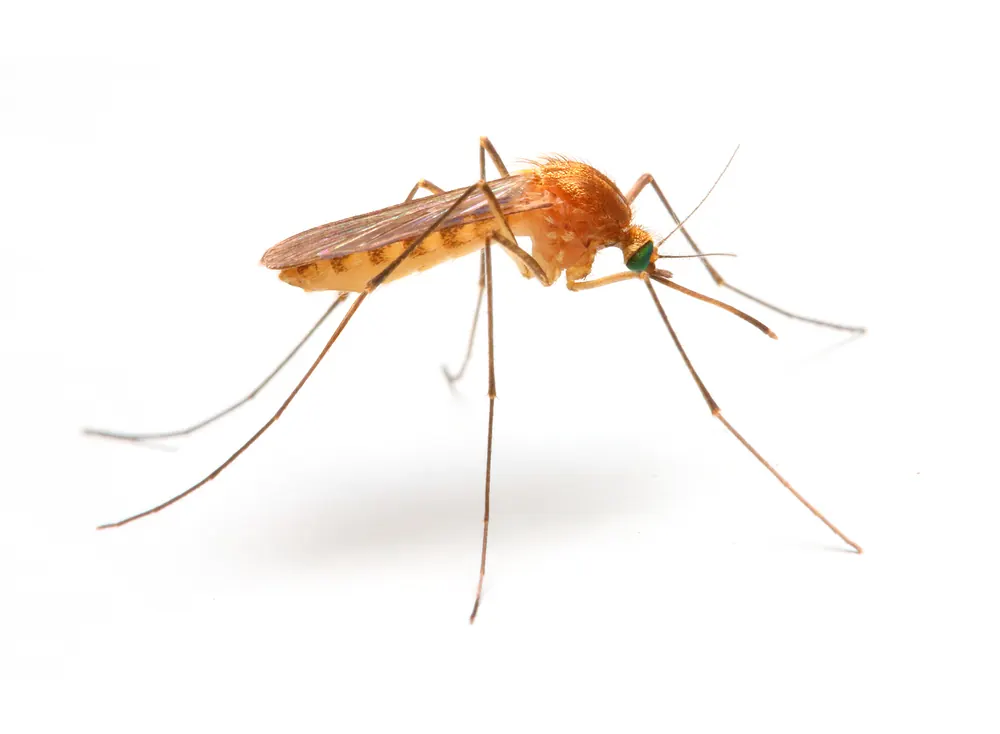
Flying insects around a Montana home are controlled by finding where they breed, removing or treating that source, and treating the surfaces where the adults rest during the day. Sprays aimed at insects in mid-air achieve very little. Most flyers spend much of their time sitting still on walls, ceilings and foliage, and that's where treatment works.
Why summer is so busy in Montana
Pretoria's summers are hot, with afternoon thunderstorms from October through to March. Warmth speeds up insect life cycles, and rain fills every container, gutter and low spot with water. For mosquitoes in particular, that's ideal. Montana's open veld and koppies, and the fact that many properties sit right next to undeveloped ground, add a steady supply of moths, beetles and other flyers attracted to house lights at night.
The flyers we deal with most
Mosquitoes
The main summer complaint. They breed in still water: pot plant saucers, blocked gutters, buckets, bird baths, pool covers holding rainwater, unused ponds and even the base of a garden umbrella stand. During the day, adult mosquitoes rest in shaded, humid spots like dense shrubs, under the stoep and in garages.
Flies
Houseflies near bins and pet areas, blowflies around rotting waste, fruit flies in kitchens, and drain flies in bathrooms. Our page on fly control in Montana covers them in detail.
Wasps
Paper wasps building under eaves and carports. These need nest treatment, not general spraying. See wasp nest removal in Montana.
Flying termites and ants
After the first big storm of the season, winged termites pour out of the ground and swarm around lights. On their own they're a short-lived nuisance, but if they're coming from inside a wall, it's time to check for a termite colony.
Moths
Night-flying moths around lights, and the small pantry moths that come from stored food in the kitchen.
How we treat flying insects
We start with an inspection to find what's breeding where. For mosquitoes, that means walking the garden looking for standing water and showing you every source we find. For flies, it means bins, compost, pet areas and drains. Then we apply an odourless, non-staining residual treatment to the resting areas: shaded walls, under the stoep and patio roofs, eaves, garages and the undersides of dense shrubs near the house. For wasps, we treat and remove nests individually. Where pantry moths are involved, we treat the storage area and help you clear out infested food.
You can stay at home throughout. Children and pets should keep off the treated walls and plants until they're dry.
What people get wrong
Relying on electric zappers, citronella candles and plug-in repellents while there's a bucket of rainwater in the corner of the garden. These products might help a little on the patio, but a single water-filled container can produce a lot of mosquitoes every week. Another common mistake is spraying fly or mosquito aerosol into the air inside the house. It drifts, settles on surfaces and does little to reduce the population.
A local tip for Montana gardens
Do a five-minute water check every week from November to February, the morning after a storm. Tip out pot saucers, buckets and toys, check gutters and the pool cover, and change bird bath water. Mosquitoes need standing water to breed, and removing it is the most effective control there is. For lights, switch outdoor bulbs to yellow, or switch them off when you're not outside. It makes a noticeable difference in homes facing the veld.
Businesses, schools and estates
Food businesses, schools and estates with large common gardens often benefit from scheduled visits through the summer. Regular treatment of resting areas, combined with checks for standing water and bin hygiene, keeps flying insect numbers down when they're at their worst.
What does flying insect control cost?
It depends on what's flying, how big the garden is, how many resting areas need treating and whether you want a once-off or seasonal service. A townhouse with a mosquito problem and a small garden is a modest job. A large estate property with water features, or a restaurant needing regular fly control, costs more. If removing standing water solves your mosquito problem, which it often does, we'll tell you that first.
For the city-wide picture, see flying insect control in Pretoria. We also treat flying insects in Lynnwood.
We're SAPCA registered and have 25 years of experience with Highveld summers. Every treatment carries a 3-month guarantee: if the problem comes back within three months, we come back. Call 012 012 5526, or WhatsApp us a photo of what's flying around your home.
Questions we get asked
What's the best way to reduce mosquitoes at home?
Remove standing water every week in summer. Pot saucers, gutters, buckets and pool covers are the usual breeding spots.
Do you spray for mosquitoes in the garden?
We treat the shaded spots where adult mosquitoes rest during the day, such as dense shrubs, under patios and in garages.
Are flying termites dangerous?
No. They're harmless to people. But if they're emerging from inside a wall or floor, have the house checked for termites.
Why are there so many insects around my outside light?
Bright white lights attract night-flying insects. Yellow bulbs or switching lights off when not needed reduces them.
Can you treat a whole estate or school for flying insects?
Yes. We offer scheduled visits for estates, schools and businesses through the summer months.