
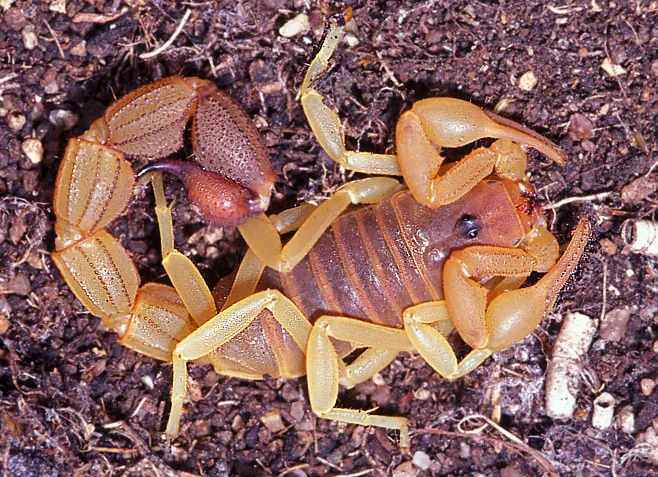
Scorpions come into Montana homes from the rocky ground, rockeries and walls around them, mostly on warm summer nights. The way to cut them down is to treat the places they shelter outside, block the gaps under doors and around pipes, and remove the clutter they hide in. Most Montana scorpions are more frightening than dangerous, but a few species need real care, especially around small children.
Why Montana sees more scorpions than many suburbs
Scorpions like dry, rocky ground with plenty of cracks and stones to hide under. That describes the koppies and open veld that still surround much of Montana. When new complexes and estates are built, the rocks and soil get moved, and the scorpions living in them have to find new shelter. Garden rockeries, stacked bricks, retaining walls built from loose stone and piles of leftover building material make perfect substitutes.
They're most active from spring through summer, especially on warm, humid nights after rain, when they come out to hunt insects. That's when most of them end up indoors, usually by accident, through the gap under an outside door or a sliding door that doesn't seal.
Which scorpions are dangerous?
There's a simple rule of thumb used across South Africa, and it's a good one: look at the tail and the pincers.
- Thick tail, small pincers: treat it as dangerous. These species rely on venom rather than grip. Stings can be serious, especially for children, the elderly and anyone with health problems.
- Thin tail, big pincers: generally much less dangerous. Stings are painful, like a bee sting, but rarely cause more than local pain and swelling.
If anyone is stung by a thick-tailed scorpion, or shows symptoms such as difficulty breathing, muscle twitching or drooling, get medical help straight away.
Where they hide around a Montana home
- Rockeries and decorative stone beds
- Cracks in retaining walls and boundary walls
- Under pot plants, paving slabs and garden ornaments
- Stacked wood, bricks, roof tiles or leftover building material
- Inside shoes, gardening gloves and clothes left on the floor
- Gaps under doors, especially sliding patio doors
How we treat scorpions
Scorpions are tougher than most insects, so treatment has to be thorough. We inspect the garden and the outside of the house for shelter and entry points, then treat the rockeries, wall cracks, paving edges and the foundation line with an odourless, non-staining residual product suited to scorpions. Indoors, we treat door thresholds, skirting and the gaps around pipes and drains. We'll show you exactly which gaps need sealing and where to fit door brushes. Scorpions shrug off residual products more easily than most insects, which is why the spray is only one part of the plan. Proofing and changes to the garden carry just as much weight.
You won't need to move out. Until the treated areas outside have dried, keep children and dogs off them.
What people get wrong
Building a beautiful rockery right against the house. It's a common feature in newer Montana gardens, and it's essentially a scorpion hotel with a doorway into your lounge. The other mistake is relying on a single spray. Scorpions from the veld will keep arriving, so habitat changes and door seals matter as much as the treatment.
A local tip
Do a scorpion walk on a warm summer evening with a UV torch. Scorpions glow bright blue-green under ultraviolet light, so you'll see exactly where they're hiding and coming from. You may be surprised how many are in the rockery or along the base of the boundary wall facing the veld. It's also a good idea to shake out shoes and gloves left outside before putting them on.
What does scorpion control cost?
Scorpion work is priced on the garden: how much rock, stone wall and stored building material there is to treat, and whether we need to come back. A townhouse garden with a small rockery is a simple job. A large estate property backing onto a koppie, with stone walls along the boundary, takes more work. If you've seen one thin-tailed scorpion once in a summer, fitting a door brush may be all you need.
Spiders and centipedes use the same hiding spots, so our pages on spider treatments in Montana and Montana centipedes are worth a look. Everything else we treat in the area is on the Montana pest control page. We also treat scorpions in Lynnwood, and our full service is described on scorpion control in Pretoria.
One Stop has been treating scorpions on the Highveld for 25 years, and we're SAPCA registered. If scorpion activity returns within three months of treatment, we come back under our guarantee. Call 012 012 5526, or WhatsApp us a photo of the scorpion and we'll tell you whether it's one of the dangerous ones.
Questions we get asked
How do I know if a scorpion is dangerous?
Look at the tail and pincers. A thick tail with small pincers means treat it as dangerous. A thin tail with big pincers is generally far less of a risk.
Why do scorpions come indoors at night?
They hunt insects after dark, especially on warm, humid nights, and wander in through gaps under doors.
Will a treatment kill every scorpion?
It reduces them a lot, but scorpions from the veld keep arriving, so sealing gaps and clearing hiding spots is just as important.
What should I do if my child is stung?
Get medical help immediately if the scorpion had a thick tail or if your child shows symptoms like twitching or difficulty breathing.
Do UV torches really find scorpions?
Yes. Scorpions glow bright under ultraviolet light, which makes them easy to spot in a garden at night.
Are scorpions more common in new estates?
Often, yes. Building work disturbs the rocky ground where they live, and new rockeries and leftover materials give them shelter.