
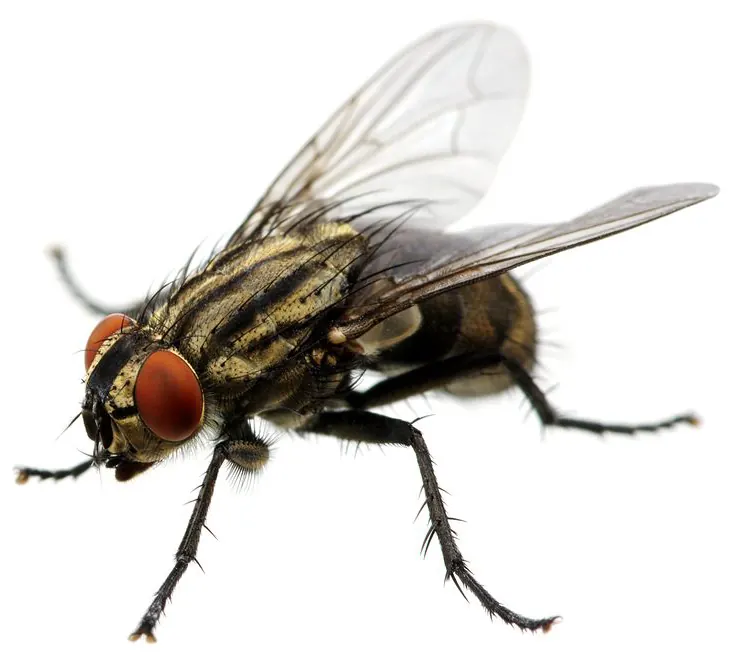
Flies in a Montana home or business are solved by finding where they're breeding and removing it, then treating the surfaces where adult flies rest. Swatting and sprays deal with the flies you can see. The real fix is the bin, drain, compost or pet waste producing the next generation.
Why fly problems peak in Montana summers
Flies breed quickly in heat. On the Highveld, from October to March, the housefly life cycle speeds up so much that a small source becomes a big problem within a couple of weeks. Afternoon thunderstorms add moisture, which helps maggots survive in bins, compost and soil.
Montana's mix of complexes, estates and shopping centres creates some typical sources. Shared refuse areas in complexes hold a lot of household waste in one place, and if bins are left open or not washed, they can breed flies for the whole block. Many households have dogs, and droppings left in small gardens attract blowflies and houseflies quickly. Takeaways, butcheries and restaurants have their own pressure from food waste and drains. Open veld nearby adds wild sources such as animal carcasses, which can bring a sudden wave of blowflies.
Which flies are you seeing?
- Houseflies: grey, medium-sized, around food and bins. Breed in rubbish, pet waste and compost.
- Blowflies: shiny green or blue, loud. Usually point to rotting meat, a dead animal or bin waste.
- Fruit flies: tiny, tan, with red eyes, hovering over fruit bowls, wine and the kitchen bin.
- Drain flies: small, fuzzy, moth-like flies near sinks, showers and floor drains. They breed in the slime inside pipes.
Knowing which fly it is tells us where to look. A sudden swarm of blowflies in one room, for example, often means a rat or bird has died in the ceiling or wall cavity above it, and the flies won't stop until that's found and removed. Fruit flies, on the other hand, are nearly always a kitchen hygiene issue: a forgotten potato in the pantry, a sticky recycling bin or overripe bananas on the counter.
Our fly control process
We begin with an inspection of the property to find the breeding source. That includes bins and refuse areas, compost heaps, drains, pet areas and, in businesses, kitchen equipment, grease traps and storage areas. Once the source is found, we'll advise on removing it, because treating flies without dealing with the source rarely lasts. Then we treat the places adult flies rest: walls near bins, window frames, ceilings in covered patios and the surfaces around refuse areas, using an odourless, non-staining residual product. For drain flies, we treat the drains and advise on cleaning the build-up that feeds them.
For restaurants, takeaways, butcheries and other food businesses, we can set up scheduled visits as part of a monitoring contract, which helps with hygiene inspections.
Treatment doesn't mean leaving your home. Keep children and pets clear of the treated walls and window frames until they've dried.
What people get wrong
Buying fly spray, sticky strips and zappers while the bin outside the kitchen door hasn't been washed in months. These tools catch adults, but they do nothing about the maggots hatching every day. Another common one is pouring bleach down the drain to deal with drain flies. Bleach runs straight through and doesn't remove the slime layer where the larvae live. A stiff brush and an enzyme drain cleaner work much better.
A Montana tip
If you live in a complex, have a look at the refuse area on a hot afternoon. If the bins don't have lids, or are overflowing, mention it to the body corporate. A clean, lidded refuse area with bins washed regularly does more for fly control across a whole complex than anything individual households can do. At home, pick up after the dog daily in summer.
What does fly control cost?
The cost depends on the type of fly, the size of the property, how many resting areas need treatment and whether a business needs a regular service. A single home with a bin problem is a modest job. A restaurant kitchen or a complex refuse area that needs ongoing visits is quoted on the site. Honestly, many home fly problems clear up once the source is removed. If that's all it takes, we'll tell you.
Flies are often part of a bigger summer insect problem, and our page on flying insects in Montana covers mosquitoes, moths and other flyers too. You'll find every pest we handle locally on the Montana pest control page. We also handle flies in Lynnwood, and our full service is described under fly control across Pretoria.
One Stop is SAPCA registered and has 25 years of experience. Our fly treatments come with a 3-month guarantee: if the problem comes back in that time, so do we. Call 012 012 5526, or WhatsApp us a photo of the flies and where you're seeing them.
Questions we get asked
Why do I have so many flies all of a sudden?
Usually a breeding source nearby, such as a bin, pet waste, compost or a dead animal. In hot weather, flies multiply quickly.
How do I get rid of the small flies in my sink?
Those are usually drain flies. Scrub the inside of the drain with a stiff brush and an enzyme cleaner to remove the slime they breed in.
Are fly zappers worth it?
They catch some adults, especially in businesses, but they won't solve the problem unless the breeding source is removed.
Can you treat a restaurant or takeaway?
Yes. We offer scheduled fly control for food businesses as part of a monitoring contract.
Why are there big green flies in my house?
Blowflies usually mean something is rotting nearby, often a dead rodent, bird or bin waste.