
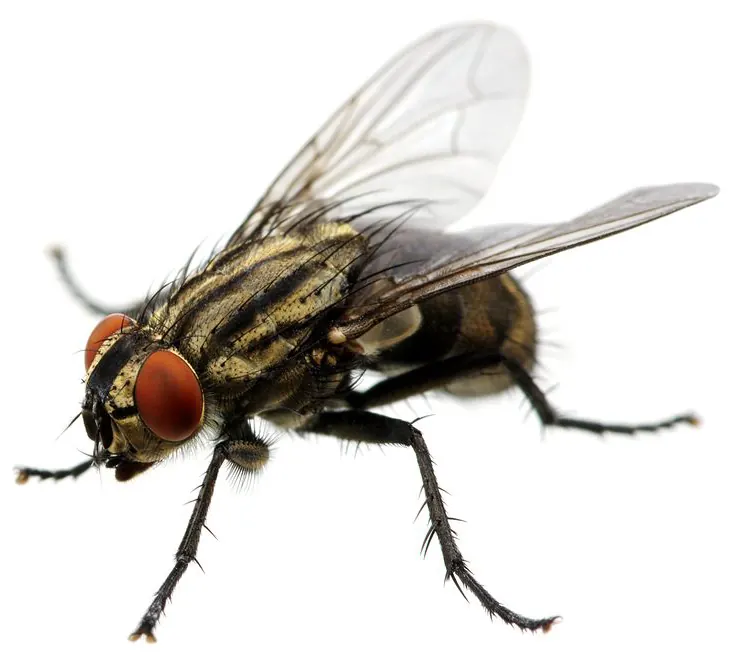
Flies in a Lynnwood home, office or restaurant are always a sign of somewhere nearby where they're breeding. The quickest, longest-lasting fix is to find that source and clean it up or treat it, then treat the surfaces where adult flies rest. Swatting, sticky strips and aerosol sprays reduce the numbers for a day, but if larvae are developing in a bin or drain, a fresh batch emerges the following week.
Where Lynnwood flies come from
On residential stands, the sources are usually in the garden: dog mess in a large yard that isn't picked up every day, compost heaps with kitchen scraps, fallen fruit rotting under trees, bird feeders, and bins left in the sun. Lynnwood's big gardens and large-breed dogs make the first one more common than most people would like to admit.
The commercial side is different. Restaurants, takeaway shops and food outlets around Lynnwood Road and towards Menlyn produce food waste every day, and that waste ends up in bins, refuse rooms and grease traps. Office kitchens, staff canteens and school tuck shops have their own bins and drains. Any of these can breed flies quickly in Pretoria's summer heat.
Which fly are you dealing with?
- House flies: the common grey fly, breeding in rotting food, refuse and animal manure.
- Blowflies: large, metallic green or blue, breeding in meat scraps, dead animals and pet food. A sudden swarm indoors can mean a dead rat or bird in the roof or a wall.
- Fruit flies: tiny, tan, red-eyed, hovering around fruit bowls, wine, juice and recycling bins.
- Drain flies: small, fuzzy, moth-like flies on bathroom and kitchen walls, breeding in the slime inside drains.
What we do
First comes a hunt for the breeding source: bins, refuse areas, drains, grease traps, compost, pet areas and, if blowflies are the problem, the roof space and wall cavities. We show you what needs cleaning, covering or removing. Then we treat the places where flies rest, such as walls near bins, window frames, ceilings, light fittings, eaves and refuse rooms, with a residual treatment that kills the flies that land on it. Drains with fly activity get treated directly. For restaurants, food outlets and offices, we can set up a scheduled monitoring contract so that fly levels stay under control through the summer months, with a record of each visit.
The mistake that keeps the flies coming
Treating flies as a kitchen problem when it's actually a bin problem. A wheelie bin that's only emptied once a week, standing in full sun beside the kitchen door, can breed hundreds of flies before collection day. Wash it out, keep the lid closed and move it into the shade, and you'll notice the difference in the kitchen. For blowflies, people often keep spraying for days without realising there's a dead rat in the roof. Until it's found, the flies won't stop.
Summer is the season
Fly numbers in Pretoria climb with the heat. Warm, humid weeks between the storms speed up the time it takes a maggot to become a fly, so a bin that was a minor nuisance in September can be a serious problem by December. That's why the advice to clean and cover breeding sources matters most in the hot months, and why food businesses usually step up their service visits through summer. In winter, fly activity drops right off, though heated kitchens and refuse rooms can keep a small population going all year.
A local tip
If you have big dogs on a big Lynnwood stand, pick up after them daily in summer, not just when the garden service comes. Dog mess is one of the most common fly breeding sources we find on residential properties in this suburb, and it's the cheapest one to deal with.
What does it cost?
For a home, it depends mostly on how many breeding sources there are and how big the property is. A house with a fly problem traced to one bin or one drain is a small job, and sometimes cleaning up the source is all you need. Restaurants, food businesses and offices are priced on the size of the premises, the number of kitchens and refuse areas, and how often they need visits. We'll look first, then quote.
Flies and cockroaches often share the same bins and drains, so see Lynnwood cockroach treatments if you're seeing both. For our city-wide approach, have a look at fly control in Pretoria, and for the restaurants and older homes next door, fly control in Brooklyn. For every other pest in your suburb, see pest control services in Lynnwood.
We're SAPCA registered with 25 years' experience. If flies come back within three months of a treatment, we come back as well. Phone 012 012 5526, or WhatsApp us a photo of the flies and where you're seeing them.
Questions we get asked
Why have I suddenly got lots of big green flies indoors?
A sudden swarm of blowflies often means something has died nearby, often a rat or bird in the roof or a wall cavity. The source needs to be found and removed.
How do I get rid of the tiny flies around my fruit bowl?
Those are fruit flies. Throw out overripe fruit, rinse recycling, cover juice and wine, and clean the drain under the sink. That usually solves it.
Can you service restaurants in Lynnwood regularly?
Yes. We offer scheduled monitoring contracts for restaurants and food businesses, with regular visits and a record of each service.
Are fly treatments safe in a kitchen?
Yes. We treat resting surfaces away from food preparation areas, and nothing is applied to food or worktops.
Do fly lights or zappers help?
They can help in commercial kitchens when placed correctly, but they don't fix the breeding source. Finding that comes first.
What are the small fuzzy flies on my bathroom wall?
Drain flies. They breed in the slime inside drains, so cleaning the drain thoroughly is the main fix.