
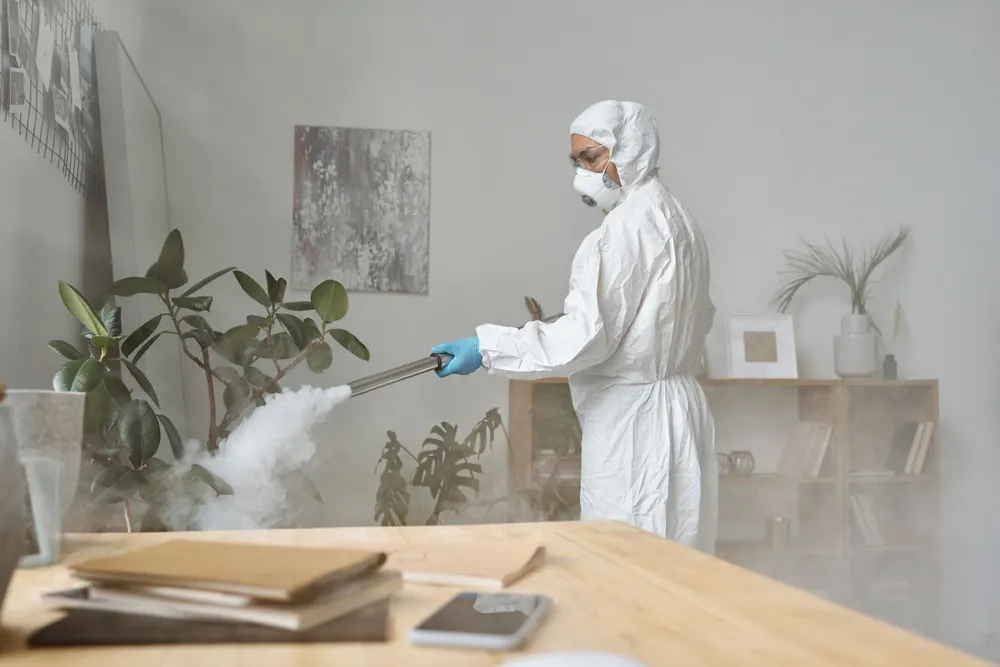
In Lynnwood Ridge the pests that cause the most trouble live in the parts of the house you don't see every day: the roof void, behind built-in cupboards, under the floor, in the eaves. Roof rats running along tree branches into the ceiling, subterranean termites working through older timber, fishmoths in books and stored clothes, and bird mites dropping from old nests are what we spend most of our time on. An inspection of the roof space usually tells the story.
An established suburb with established pests
Lynnwood Ridge is an established suburb near Lynnwood with mature gardens. Big trees, creepers on walls, deep shady beds and houses that have stood for decades all add up. Over time roofs settle, fascia boards shift, air bricks crack and gaps open around pipes. None of that is a sign of neglect. It's just what happens to a house over the years, and pests take advantage of it.
Roof rats and the tree canopy
Roof rats are climbers. Overhanging branches, ivy on walls and power lines give them a route straight to the roof, and a mature garden gives them fruit, seeds and shelter. Scratching overhead at night is the giveaway. We place lockable bait stations at ground level along their routes, use traps in the ceiling, and show you where they're getting in. Cutting branches back from the roofline is often the most effective step of all. Read about our rat control around Lynnwood for the details.
Termites in older timber
Older homes often have timber floors, wooden door frames and built-in cupboards that sit close to the ground, plus decades of flowerbeds built up against the walls. Subterranean termites move in from the soil through mud tubes. Signs include tubes on foundation walls or inside cupboards, skirting boards that sound hollow, and bubbling paint. We inspect, find the route in, and treat with registered soil treatments or baiting depending on the building. The termite control guide for Pretoria explains the two termite types and how each is treated.
Fishmoths in cupboards and bookshelves
Fishmoths are the silver, fast-moving insects that eat starch and paper: book bindings, wallpaper paste, stored clothes and cardboard boxes. They like dark, slightly damp places, which older cupboards and storerooms provide. Small holes in fabric, yellow marks on paper and grazed spots on book covers are signs. We treat the cupboards, skirtings and roof void with odourless, non-staining products. There's more on our page about getting rid of fishmoths in Pretoria.
Bird mites from nests in the eaves
When birds nest in gutters, eaves or the roof and the chicks leave, the tiny mites in the nest go looking for a new host and find the people below. Itchy bites with no obvious cause, often in a bedroom under the eaves, are a common sign, especially in late spring and summer. We remove or treat the nest and treat the room. Our page on bird mite treatment in Lynnwood covers this in more depth.
What people tend to get wrong
The biggest mistake is assuming bites are from bed bugs or fleas and treating the mattress or the dog, while the real source is a bird nest above the ceiling. If you have bites but no pets and no signs on the mattress, look up. A pigeon or sparrow nest near a bedroom window or under the roof tiles is often the cause.
Our approach in older homes
We start with the roof void, where most of the evidence is: droppings, nests, chewed cables, termite activity on trusses. Then we check the outside walls, the garden and the cupboards. Normal treatments don't require you to move out. Keep children and pets off treated surfaces until they're dry. Where a home needs work over several visits, such as rodent proofing or termite follow-ups, we plan it with you.
A local tip
Once a year, before winter, walk around the house and look at the roofline. Branches touching gutters, gaps at the corners of fascia boards and broken air bricks are easy to spot and cheap to fix, and they're how most rats and birds get in.
What does it cost?
It depends on the pest and the house. A fishmoth treatment or bird nest removal is a smaller job. Termite work depends on the perimeter, whether we need to drill and how much timber is affected. Rodent control depends on the number of bait stations and visits needed. We quote after the inspection, and if trimming a tree would solve the problem, we'll say so.
Lynnwood Ridge falls within our Lynnwood area, and the full list of services is on the Lynnwood pest control page. After 25 years in the trade we're SAPCA registered, and if a treated pest returns within three months, so do we. Call 012 012 5526, or WhatsApp us a photo of what you've found in the roof.
Questions we get asked
How do I know if I have bird mites or bed bugs?
Bird mites are tiny, pale and fast-moving, and bites usually appear near a window or room below the eaves where birds nest. Bed bugs leave blood spots and dark marks on mattress seams. We can confirm which it is.
Why do rats get into my roof from the garden?
Roof rats climb trees, creepers and cables. If a branch touches your roof or gutter, it's a ready-made bridge into the ceiling.
Are fishmoths harmful?
They don't bite or carry disease, but they damage books, papers, photographs and stored clothes, especially in older cupboards.
Should I remove a bird nest myself?
It's better not to once the chicks have left, because disturbing it can release the mites into the house. We remove and treat the nest and the affected room together.
Can old houses be treated for termites without lifting floors?
Usually, yes. We treat the soil around and beneath the structure, and use baiting where drilling or trenching isn't practical.
How often should an older home be inspected?
Once a year is sensible, ideally before winter for rodents and before summer for termites. It's also worth doing after any building work or when you buy.