
Stored product pests, such as weevils, flour beetles and pantry moths, are sorted out in Lynnwood the same way everywhere: find and throw out every infested product, clean the cupboards thoroughly, treat the cracks and corners where larvae and pupae hide, and store food so it can't be reinfested. Spraying the pantry without clearing the stock doesn't work, because the insects are living inside the food.
Where these pests show up in Lynnwood
In homes, we often find them in large walk-in pantries and sculleries in older Lynnwood houses, where packets of flour, rice, pasta, cereal, nuts and spices sit at the back of deep shelves for months. Big dogs mean big bags of dry pet food, and many gardens have bird seed stored in the garage. All of these are classic sources. Once one packet is infested, moths and beetles spread to the rest of the cupboard.
The commercial side matters too. Restaurants, bakeries, delis and food shops around Lynnwood Road and Menlyn receive dry goods every week and store them in bulk. Office kitchens, staff canteens and school tuck shops keep packets of sugar, biscuits and cereal open for long periods. And larger storage areas and warehouses where food or grain is kept can see heavier infestations that need a bigger response.
Know your pantry pest
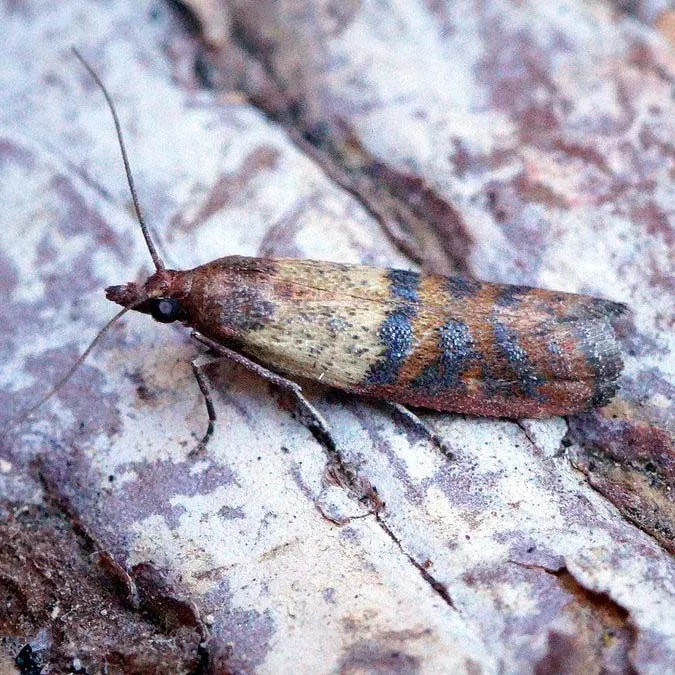
- Pantry moths (Indian meal moths): small, greyish moths with coppery wing tips fluttering in the kitchen at night. Larvae spin silky webbing in cereals, nuts, flour and dried fruit.
- Weevils: small, dark brown beetles with a long snout, breeding inside whole grains like rice, maize and wheat.
- Flour beetles: tiny reddish-brown beetles in flour, cake mixes and other ground products, often giving it a grey colour and odd smell.
- Biscuit and cigarette beetles: small, round, brown beetles in spices, dried herbs, pet food, biscuits and even tobacco.
Our approach
We inspect the pantry, cupboards, storerooms and anywhere else food is kept, including pet food and bird seed, to find which products are infested and how far it's spread. You'll throw away the infested stock (we'll help you spot it). Then we treat the cracks, shelf supports, joints and corners of cupboards and storerooms with an appropriate residual product, because larvae often wander out of the food and pupate in those gaps. For restaurants, food businesses and storage facilities, we can include stored product pests in a scheduled monitoring programme. In heavy infestations in warehouses or bulk storage, fumigation with a registered fumigant may be needed; the sealed area then has to be empty until it's cleared.
The mistake that brings them back
Throwing out the obviously infested packet and keeping everything else. Moth larvae and beetles move between packets, and many products that look fine are already holding eggs or tiny larvae. Check every open and unopened packet in the cupboard, and when in doubt, throw it out. Another mistake is pouring flour or rice into a container that already had weevils in it without washing it properly first.
A tip for big Lynnwood pantries
Use airtight glass or hard plastic containers for flour, rice, cereal, pasta and nuts, and buy in amounts you'll use in a couple of months. Keep pet food and bird seed in sealed bins rather than open bags, and store them in the garage away from the kitchen. In large, deep Lynnwood pantries, put older stock in front and new stock behind so nothing sits forgotten at the back of a shelf.
What does it cost?
It depends on how far the infestation has spread, how many cupboards or storerooms need treating, and whether we're dealing with a home kitchen or a commercial store. A single pantry is usually a small job, and if you catch it early with only one infested packet, a thorough clean-out may be all you need. Restaurants and food stores are quoted on size and frequency of service, and warehouse fumigation is quoted separately.
Where pantry pests are feeding, mice are often not far behind, so check our page on mice in Lynnwood homes and offices if you're seeing droppings too. For the city-wide service, see stored product pest control in Pretoria, and the large homes next door are covered by pantry pest treatment in Waterkloof. Other local pests are on our page for Lynnwood pest control.
We're SAPCA registered, with 25 years in pest control, and if stored product pests come back within three months of treatment, we'll return. Call 012 012 5526, or WhatsApp us a photo of the insect or the infested packet.
Questions we get asked
Where do pantry moths come from?
Usually from a product that was already infested when you bought it, such as flour, nuts, dried fruit, bird seed or pet food. They then spread to other packets.
Can I eat food that had weevils in it?
It's not harmful if eaten by accident, but infested food should be thrown away to stop the insects spreading.
Do I need to throw out unopened packets?
Check them carefully. Many pantry pests can chew through thin packaging, so unopened packets near an infestation may also be affected.
Do you treat restaurants and food stores?
Yes. We treat commercial kitchens and stores and can include stored product pests in a regular monitoring contract.
Will freezing food kill pantry pests?
Freezing products like flour or nuts for a few days kills most eggs and larvae. It's a useful step for things you want to keep.