
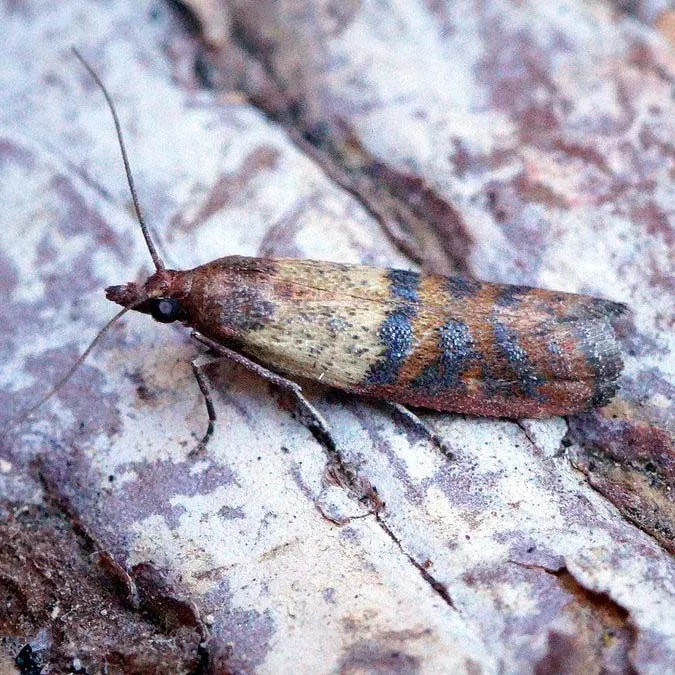
Stored product pests are cleared by finding and throwing out every infested item, cleaning the cupboard thoroughly, and then treating the cracks and shelf joints where eggs and larvae survive. A treatment without the clear-out doesn't work, and a clear-out without checking every packet usually misses the one that starts it all again. We help Faerie Glen households, retirement village kitchens and food businesses deal with them properly.
What we mean by stored product pests
- Pantry moths (Indian meal moths): small moths with two-toned wings, flying in a zigzag around the kitchen. Their larvae spin silky webbing in cereals, nuts, dried fruit, flour, birdseed and pet food.
- Weevils: small, dark beetles with a snout, found in rice, maize meal, pasta, grains and seeds. Larvae develop inside the grains.
- Flour and grain beetles: tiny reddish-brown beetles in flour, cake mixes, spices and cereal.
- Biscuit and cigarette beetles: small, round, brown beetles that get into spices, dried herbs, biscuits, pet food and even dried flower arrangements.
How they get into Faerie Glen kitchens
Most infestations start with something bought already infested. A bag of birdseed, a sack of dog pellets, a bulk pack of flour or rice, or a packet of dried fruit. Eggs are often too small to see. In a warm kitchen, they hatch, the larvae feed and the adults spread to nearby packets. Paper, cardboard and thin plastic packaging won't stop them.
A couple of things make this suburb's kitchens particularly prone. Homes near the reserve often have birdseed for garden birds, and that seed is one of the most common sources of pantry moths. Large households and families who buy in bulk keep food stored for longer, giving pests time to build up. And in retirement villages, residents' small kitchenettes and the main dining kitchen both hold dry goods that may sit for weeks.
Signs to look for
- Small moths flying in the kitchen or resting on the ceiling, especially in the evening
- Silky webbing or clumping in cereal, flour or nuts
- Small worm-like larvae crawling up walls or on the ceiling as they look for somewhere to pupate
- Tiny beetles in flour, rice, spices or pasta, or on the shelves
- Small holes in packets
What we do
- Inspection. We go through the pantry and kitchen cupboards with you, including pet food and birdseed in the garage or scullery, to find every infested item.
- Clear-out. Infested products are bagged and thrown out. Items that look clean but are at risk can be frozen for a few days to kill any eggs.
- Cleaning. Shelves are emptied and vacuumed, with special attention to the corners, shelf supports and the gaps at the back where larvae hide.
- Treatment. We apply a targeted, odourless treatment into cracks, crevices and shelf joints, away from food. Once it's dry, you can restock.
- Monitoring. Pheromone traps for pantry moths show whether any are still flying and help catch males before they breed.
Food businesses and village kitchens can include stored product monitoring as part of a scheduled service contract. Where a large consignment of stored goods is heavily infested, fumigation with registered fumigants may be the answer, and the sealed area must be empty until it's cleared.
What people commonly get wrong
Throwing out only the packet where they saw the moths. Larvae wander, and moths lay eggs in anything nearby. If you don't check every cereal box, spice jar and pet food bag in the same cupboard, the problem comes back within weeks. Another mistake is spraying the cupboard with insect spray while food is still inside.
A local tip
Keep birdseed and pet food in sealed metal or thick plastic bins in the garage, not in the kitchen. They're the most common source of pantry moths we find in Faerie Glen homes, and keeping them separate protects the food you eat. Bins that seal tightly also keep mice out, which matters here, and our page on mice in Faerie Glen kitchens explains why.
What does it cost?
For a home, the cost depends on how many cupboards are affected and whether a treatment is needed after the clear-out. Often a careful clear-out and cleaning, which you can do yourself, solves a small problem. Where pests keep returning, or in commercial and village kitchens, we treat and monitor. Fumigation is quoted separately when it's needed.
For more, see stored product pest control in Pretoria, or if you're just south of us, pantry pests in Moreleta Park. To see everything else we do locally, visit our Faerie Glen pest control hub.
One Stop is SAPCA registered and has 25 years in the trade. Should weevils or moths reappear within three months of treatment, we return under our guarantee. Phone 012 012 5526, or snap the beetles or webbing and send it to us on WhatsApp.
Questions we get asked
Is it safe to eat food that had weevils in it?
It's best to throw it out. Accidentally eating a weevil won't hurt you, but infested food is contaminated and spoils quickly.
How do pantry moths get into sealed jars?
They usually don't. If you find moths in a jar, the eggs were most likely in the food before it went into the jar, or the lid doesn't seal properly.
Does freezing food kill pantry pests?
Yes. Freezing dry goods for a few days kills eggs and larvae, which is useful for flour or grains you want to keep.
Why do I find small worms on my kitchen ceiling?
Those are pantry moth larvae looking for a place to pupate. It means there's an infested item somewhere in the cupboards.
Can stored product pests damage my house?
No. They feed on dry food and some dried materials, but they don't damage the structure of the house.
Do you treat retirement village kitchens?
Yes. We inspect and treat dining-room kitchens and storerooms, and can include pantry pest monitoring in a regular service.