
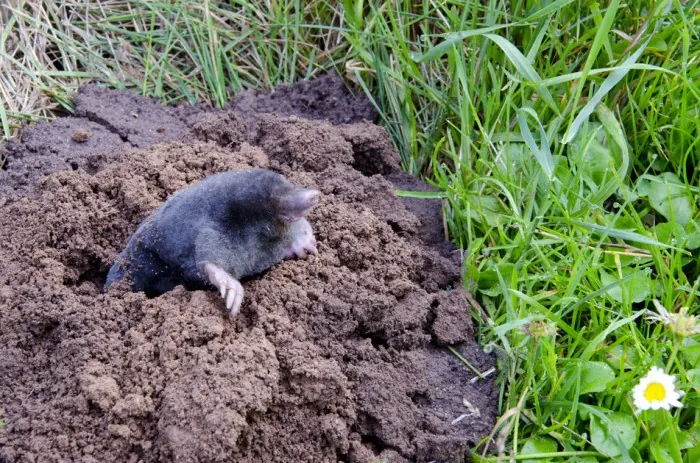
If the lawn has raised, winding ridges or little heaps of loose soil, and the ground feels spongy when you walk on it, you almost certainly have a mole. In South Africa that means a golden mole, a small, blind animal that tunnels just under the surface hunting for worms, grubs and insect larvae. It doesn't eat your plants, but it lifts lawns, loosens seedlings and dries out roots. We deal with them regularly in Faerie Glen gardens.
Why Faerie Glen gardens attract moles
Moles go where the food is, and food means moist, soft soil full of grubs and worms. The suburb has plenty of established gardens with irrigation systems, and many sit next to open grassland where moles already live. A watered lawn on the edge of dry winter veld is a magnet. That's why mole activity here often picks up in autumn and through the dry season, when the soil outside the garden walls hardens and the irrigated beds inside are the easiest digging around.
Rocky soils on the ridges are harder going for moles, so they tend to concentrate in the deeper soil of lawns and flowerbeds. If your garden is a mix of both, the damage usually shows up in the softest, best-watered spot.
Is it a mole or something else?
- Moles: raised ridges just below the surface, small mounds of soil, and runs that cross the lawn in curving lines. No open holes.
- Harvester termites: small, open holes with crumbly soil around them and short cut pieces of grass. The lawn goes bare rather than lumpy. See lawn termites in Faerie Glen if that matches what you have.
- Mole-rats: larger mounds of soil and plants pulled down from below. Different animal, different habits.
How we deal with moles
We find the active runs first. A garden can be crossed with old tunnels, and treating dead runs wastes time. We flatten sections of ridge and see which ones get pushed back up, which tells us where the mole is working now. Then we treat the active tunnels directly, aiming to remove the mole without digging up half your lawn. Where the activity sits under paving edges, pool surrounds or a flowerbed full of established shrubs, we work around them rather than through them. Most gardens need one visit, with a check afterwards to make sure no ridges have been freshly lifted. If the garden borders open ground, we'll talk to you about the likelihood of a new mole moving in later, and how to keep an eye out for it.
The mistake that wastes the most money
Treating the lawn for grubs to starve the mole out. It sounds logical, but moles eat worms as well as grubs, and they can range widely. You'll damage the soil life in your lawn and the mole will often just shift sideways. Other common tricks, like putting chewing gum, bottles or garden hoses in the tunnels, rarely do anything useful.
Reducing mole problems
You can't make a lawn unattractive to moles without making it unattractive to grass as well, but you can make things easier:
- Water deeply and less often, rather than a little every day. Constantly damp topsoil keeps the food close to the surface, exactly where moles like to hunt.
- Roll or tread down ridges as soon as they appear, so roots don't dry out.
- Check the lawn edge along the boundary wall first. On reserve-side properties that's where new moles arrive.
- Fix leaking irrigation heads and dripping garden taps. A permanently wet patch is the richest hunting ground in the garden.
- Don't add heavy layers of compost to the lawn in autumn if you've had moles before. It feeds the worms that feed the mole.
What does it cost?
It depends on how many active runs there are, the size of the garden and whether a follow-up is needed. One mole in one lawn is a small job. A large garden on the edge of open ground, with activity in several beds, takes more time. We'll tell you what we see when we look, and we won't sell you a treatment for old tunnels that are no longer in use.
For the broader picture across the city, see our mole control in Pretoria. Gardens around the Moreleta Spruit have very similar issues, and our page on moles in Moreleta Park covers them. For the other pests that affect this suburb, have a look at pest control in Faerie Glen.
One Stop Pest Control has been working in Pretoria East for 25 years and is SAPCA registered. If a mole is back in the treated area within three months, we'll return. Phone 012 012 5526, or WhatsApp a picture of the lawn.
Questions we get asked
Do moles eat plant roots?
No. Golden moles eat worms, grubs and insect larvae. The plant damage comes from their tunnelling, which lifts roots and lets them dry out.
How many moles are in my garden?
Usually only one or two. A single mole can make a surprising number of ridges, which is why damage looks worse than the numbers behind it.
Will a new mole move in after treatment?
It can, especially if your garden borders the reserve or other open ground. Catching new runs early makes the next treatment simpler.
Are moles active all year in Faerie Glen?
They are, but you notice them most in autumn and winter, when irrigated gardens are softer and richer than the dry ground outside.
Is mole treatment safe for my dogs?
We treat inside the active tunnels and close them up, which keeps the treatment away from pets. We'll tell you if anything needs extra care.
My lawn is bare, not lumpy. Is that moles?
Probably not. Bare patches with small open holes point to harvester termites rather than moles.