
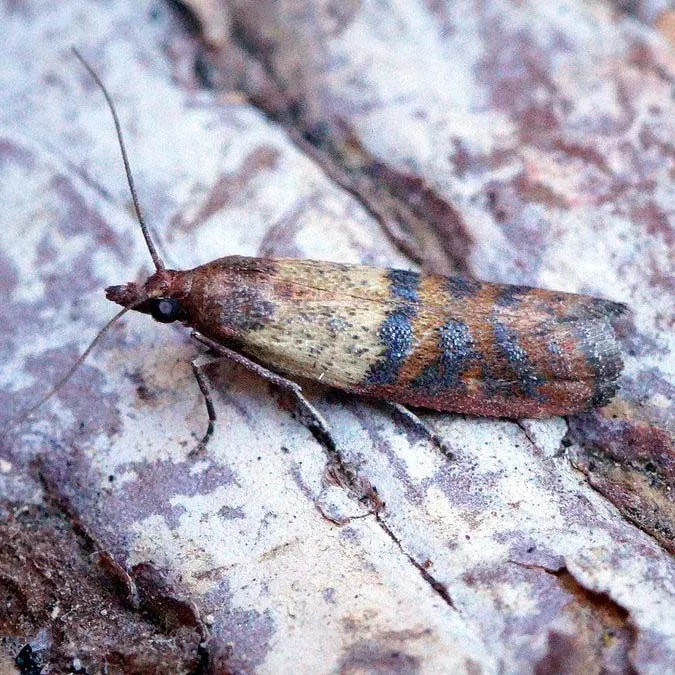
If you've found weevils in the rice or small moths around the pantry, the source is almost always one infested packet that's spread to others. Stored product pests come into Garsfontein kitchens in food you've bought, then breed in the cupboard and move from packet to packet. The fix is to find and throw out everything affected, clean and treat the cupboard, and change how dry food is stored. A professional treatment helps when the problem keeps returning or when it's in a business.
What you might be seeing
- Weevils: small, dark beetles with a long snout, in rice, maize meal, pasta and grains.
- Flour and grain beetles: small reddish-brown beetles in flour, cake mixes, cereals and pet food.
- Pantry moths: small greyish moths flying in the kitchen, with silky webbing and caterpillars inside packets or in the corners of shelves.
- Biscuit and cigarette beetles: tiny round beetles in biscuits, spices, dried fruit, dog biscuits and even dried flowers.
Why this shows up in Garsfontein kitchens
Busy family households buy in bulk. Large bags of maize meal, flour, rice, oats and breakfast cereals are a sensible way to feed children, and so is buying a big bag of dog food or bird seed to last a few months. The trouble is that bulk goods stored for weeks in their original paper or thin plastic packaging give these insects plenty of time to breed and spread. Once one pack is infested, the rest of the pantry follows.
Pet food and bird seed kept in the garage or scullery are often the starting point, and from there the moths fly into the kitchen. Warm summer temperatures speed up their breeding, which is why people notice more of them from spring onwards.
What we do
We start by going through the pantry, scullery, garage storage and pet-food area with you to find every infested source. We'll point out what needs to go and what can be kept. Once the cupboards are cleared and vacuumed, we treat the shelves, corners, cracks and shelf-support holes where larvae and pupae hide, using products suitable for food storage areas. Food goes back only once the shelves are dry and clean.
For food businesses such as restaurants, bakeries, school kitchens and shops, we offer scheduled inspections of storerooms and shelving, which is the best way to catch an infested delivery before it spreads through the stock.
What people get wrong
Throwing out the packet with insects in it and stopping there. Larvae and eggs are often already in other packets, in the shelf joints and in the holes for the shelf supports, and the moths are back within weeks. The second mistake is moving infested goods to the garage instead of binning them. They'll simply breed there and fly back in.
A tip for Garsfontein families
Decant every dry staple into airtight containers when you get home from the shops: glass jars or hard plastic tubs with good seals. Do the same with pet food and bird seed, using a sealed bin rather than leaving the bag open. If you buy flour or maize meal in bulk, putting a new bag in the freezer for a few days before decanting it helps kill any eggs inside. Use older stock first and don't top up old containers with new food without washing them.
Cleaning the cupboard properly
- Take everything out of the cupboard and check every packet, including spices and dried fruit.
- Bin anything with insects, webbing or clumping, sealed in a bag and taken outside.
- Vacuum the shelves, corners, shelf-support holes and the cupboard floor.
- Wipe down with hot, soapy water and let it dry fully.
- Return only clean, sealed containers.
What does it cost?
For a home, the price depends on how many cupboards and storage areas are affected and whether the garage or scullery are part of it. In many cases, a thorough clear-out and better storage is enough, and you won't need us. If moths or beetles keep coming back after you've done that, a treatment makes sense. Businesses are priced on the size of the storage areas and how often they need to be inspected.
Pantry pests often share space with other kitchen invaders; if you've also seen droppings near the food, see how we clear mice from Garsfontein kitchens. For the full city service, see stored product pest control in Pretoria. We also clear pantry pests from kitchens in Moreleta Park, and the full local list is on pest control for the Garsfontein area.
We're SAPCA registered, and our guarantee means a return visit if the pests reappear within three months. Book a visit on 012 012 5526. If you'd like an opinion first, a WhatsApp picture of the insect or the spoiled packet is enough for us to identify it.
Questions we get asked
How did weevils get into my sealed packet?
Most likely they were already inside as eggs when you bought it. Some beetles can also chew through thin paper and plastic packaging.
Are pantry pests harmful if I eat them by accident?
They're not known to be dangerous, but infested food is spoiled and should be thrown away.
Can pantry moths get into my clothes?
No. Pantry moths feed on stored food, not fabric. Moths in your cupboard of clothes are a different species.
Should I freeze flour and grain?
Freezing new bags for a few days before decanting them is a good way to kill any eggs that might be inside.
Do I need to throw out everything in the pantry?
Only the infested items and anything open that's been exposed. Sealed tins and jars can be wiped and kept.
Can you inspect a restaurant or shop storeroom?
Yes. We offer scheduled inspections of storerooms and shelving for food businesses, which helps catch infested deliveries early.