
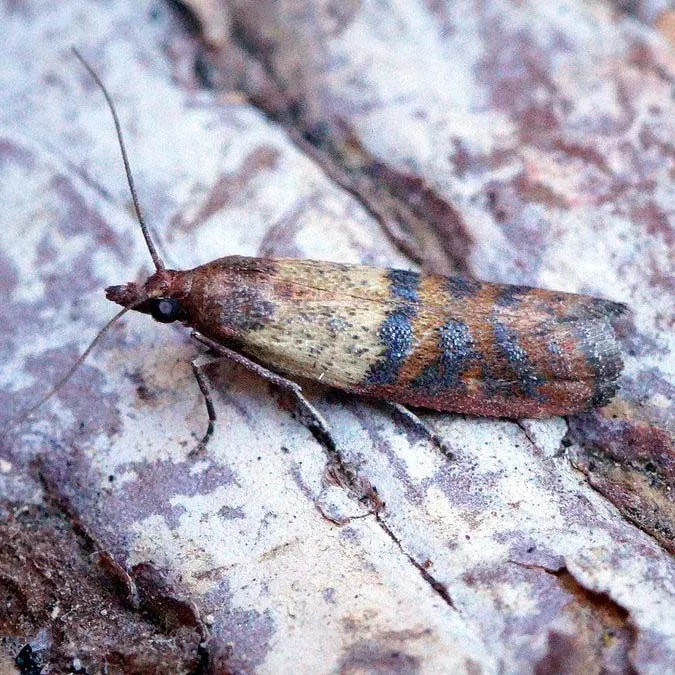
If you're finding weevils, beetles or small moths in your pantry, the cure starts with a clear-out rather than a spray. Stored product pests live inside food, so the infested packets have to go. After that, we treat the cracks, shelf edges and corners of the cupboards where the insects and their larvae hide, and help you store food so it doesn't happen again.
The pantry pests we find in Moreleta Park homes
- Weevils: small, dark beetles with a snout, found in rice, maize, pasta and grain.
- Flour and grain beetles: tiny reddish-brown beetles in flour, cake mixes, cereals and pet food.
- Pantry moths: small moths that fly out of cupboards, with larvae that leave silky webbing in cereal, nuts, dried fruit and bird seed.
- Biscuit and cigarette beetles: small, rounded brown beetles in spices, dried herbs, biscuits and pet food.
How they get into the pantry
Almost always in a packet from the shop. Eggs or larvae can already be inside sealed food when you buy it, especially in grain products, and in warm weather they develop quickly. Once one packet is infested, the adults move to nearby food, through folds and tiny gaps in paper and plastic packaging.
Big family households in the suburb often buy in bulk: large bags of maize meal, flour and rice, and sacks of dog pellets or bird seed. Bulk buying saves money, but a big bag that's opened and closed over weeks gives pantry pests plenty of time to breed. Home bakers with several opened bags of flour and baking supplies see these pests often, as do homes that keep pet food and bird seed in the scullery or garage.
Signs to look for
- Small beetles crawling in or around packets, or on pantry shelves
- Small moths flying in the kitchen, particularly in the evening
- Silky webbing or clumps in flour, cereal or nuts
- Tiny holes in packaging
- Fine powder or larvae at the bottom of containers
How we deal with stored product pests
- Inspection. We help you find every infested item, including spices, pet food and things at the back of the cupboard.
- Clear-out advice. Infested food is thrown away, sealed in a bag and taken out of the house.
- Cupboard treatment. Once the pantry is empty and vacuumed, we treat shelf edges, cracks, hinges and corners with an odourless, non-staining residual product, focused where insects hide rather than on food surfaces.
- Fumigation where needed. For larger commercial stocks, such as a shop storeroom or a food warehouse, fumigation with registered fumigants may be the right option. The sealed area must be vacated until it has been cleared as safe.
A normal pantry treatment doesn't require you to leave home. Let the shelves dry fully before restocking.
What people get wrong
Throwing out the obviously infested packet but keeping everything else on the shelf. Pantry pests spread, so items nearby are often infested too, even if it isn't visible yet. The second mistake is putting new food straight back into an untreated cupboard. The few beetles or larvae left in the cracks will find it within days.
Prevention
- Decant flour, maize meal, rice, cereal and pet food into hard, airtight containers.
- Check packets for holes or webbing before you buy, and again when you get home.
- Use older stock first, and don't top up containers with new food on top of old.
- Wipe up spilled flour and crumbs from shelves.
- Freeze small amounts of flour or grain for a few days after buying if you've had repeated problems.
Local tip: lots of Moreleta Park homes keep bulk bags of dog food and bird seed in the garage or scullery, often right next to the pantry. Those bags are a common starting point. Keep them in sealed bins and away from your own food.
What does it cost?
For most homes, a pantry treatment is a small, contained job. The cost goes up if pests have spread through several cupboards or into a storeroom, or if a business needs fumigation of stock. Many minor pantry problems can be solved by throwing out infested food, vacuuming and switching to airtight containers, and we'll say so if that's all you need.
Mice and pantry pests are often found together, so see mouse control in Moreleta Park if you're seeing droppings too. For the city-wide service, see stored product pest control in Pretoria, or pantry pest treatment in Garsfontein. For other local pests, visit our Moreleta Park overview.
If pantry pests return within three months of our treatment, we come back. Phone 012 012 5526, or WhatsApp a photo of the insects in your food.
Questions we get asked
Are pantry pests a sign of a dirty kitchen?
No. They usually arrive inside food packets from the shop, even in very clean kitchens.
Is food with weevils in it safe to use?
It's best not to. Throw away infested food. It's unpleasant and the quality is reduced.
Why do I see moths in my kitchen at night?
They're probably pantry moths whose larvae are feeding in cereal, nuts, dried fruit or pet food somewhere in your cupboards.
Do I need to throw out everything in the pantry?
Only infested items. Check everything carefully, seal anything doubtful in airtight containers, and discard what's affected.
Can you treat a shop or food storeroom?
Yes. For businesses, we offer treatment, monitoring and, where needed, fumigation of stock with registered fumigants.
How do I stop pantry pests coming back?
Store food in airtight containers, check packets when you buy them and clean up spills on shelves.