
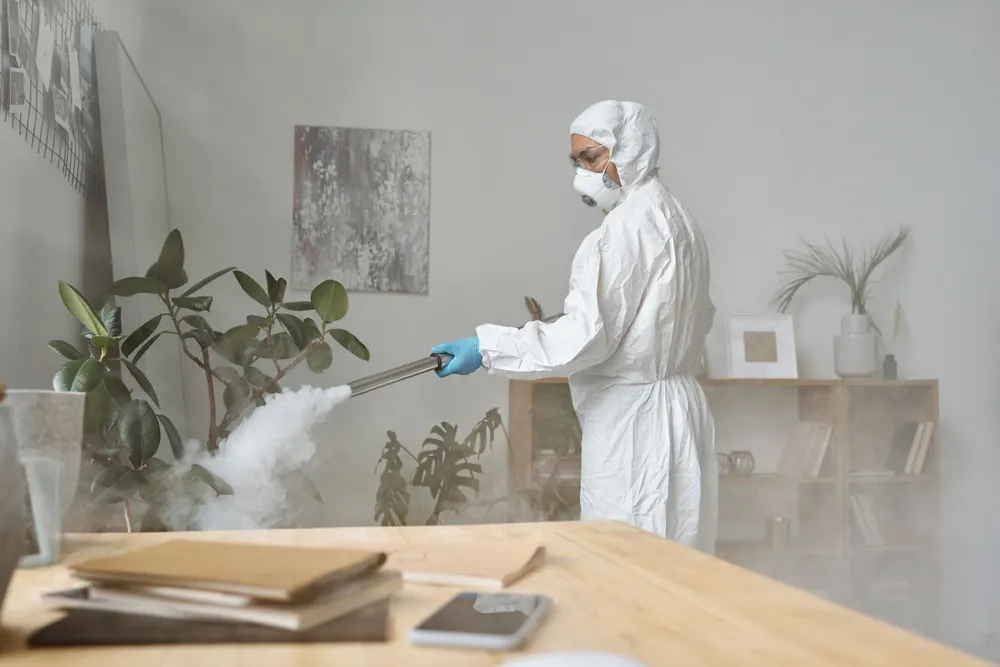
On a Mooikloof property, the stable yard usually decides how bad the pest problem gets. Flies breeding in manure and wet bedding, rats and mice living off horse feed, scorpions in the rocky veld and harvester termites on large lawns are what we deal with most. The house only sees the overflow. Get the yard under control and the house mostly takes care of itself.
Why large stands change everything
Mooikloof is known for large-stand and equestrian estates in the south-east of the city, with open veld between and around them. That means more ground to cover, more outbuildings, and pests that never have to cross a busy road or a neighbour's paving to reach you. A rat on a smallholding-sized property has feed, water and cover in one place. A fly has an endless supply of breeding material. Treatments that work on a suburban stand often don't scale, so we plan a Mooikloof job around the whole property, not just the house.
Flies around stables and paddocks
House flies and stable flies breed in manure heaps, wet straw and spilled feed, and in the hot, stormy Highveld summer their numbers climb quickly. Spraying adult flies gives a few days' relief. Long-term control means:
- Mucking out often and moving the manure heap well away from stables and the house
- Keeping feed spills and wet bedding to a minimum, especially after rain
- Treating the walls and roof beams where flies rest with a residual product
- Fly screens or strip curtains on feed rooms and the kitchen
Our fly control on the Moreleta Park side of Pretoria East covers how we treat resting sites without putting horses at risk.
Rodents in the feed room
Horse cubes, oats and lucerne are perfect rodent food. Rats and mice in a feed room spoil far more than they eat, chew through bags and electrical cables, and move from the yard into tack rooms, garages and the house roof. We use lockable, tamper-resistant bait stations placed where horses, dogs and children can't reach them, and traps where bait isn't appropriate. Storing feed in sealed metal bins or containers is the single best change you can make. See rodent control in Moreleta Park and surrounds for the approach we follow.
Feed rooms also attract weevils and grain moths. Rotating stock and cleaning out old feed before a new delivery goes in helps more than any treatment. Our page on stored product pests explains what to look for.
Scorpions and spiders in the veld
Rocky ground, stacked poles, old brick piles and loose stone walls are where scorpions shelter during the day. On a large property they're common around outbuildings and the edges of paddocks. Thick-tailed scorpions with small pincers are the ones to treat with respect. We treat their hiding places and the perimeter of the house, but clearing rubble and lifting stacked materials off the ground matters just as much. There's more detail under scorpion control across Pretoria.
Termites on the lawn and in outbuildings
Harvester termites strip lawns and paddock grass in dry winters. Subterranean termites can get into timber stable walls, fence poles and wooden outbuildings that sit directly on soil. We confirm which termite you have before treating, because the two need completely different approaches.
What owners often get wrong
Putting loose rat poison in the feed room is the mistake we see most. Horses, dogs and wildlife can get at it, rats drag it into places where they die and smell, and none of it stops new rodents arriving with the next load of feed. Bait in locked stations outside, traps inside, and sealed feed storage is the safe way to do it.
How a Mooikloof visit works
We walk the whole property with you first: house, garden, stables, feed and tack rooms, and any sheds. Then we agree on what needs treating and in what order. Treatments around the house are odourless and non-staining, and you won't need to move out; keep pets, horses and children off treated surfaces until dry. For bigger properties, a scheduled monitoring visit for bait stations and fly resting sites is often the most practical approach.
What does it cost?
The size of the property and the number of outbuildings matter most. A house-only treatment is straightforward. Adding stables, a feed room and a rodent station network along the perimeter means more time and more follow-up visits. We quote after the walk-around, and if better feed storage and a cleaner manure routine would solve most of it, we'll tell you that first.
Mooikloof is closest to our Moreleta Park area, and you'll find the full range on our pest control page for Moreleta Park. We're SAPCA registered, have 25 years in the trade, and back our work with a 3-month guarantee: if the pest returns within three months, we come back. Call 012 012 5526, or WhatsApp us a photo of what you're seeing in the yard.
Questions we get asked
Is fly treatment safe around horses?
Yes, when it's applied correctly. We treat the surfaces where flies rest, not the animals or their feed, and we tell you how long to keep horses away from treated areas.
How do I stop rats getting into horse feed?
Store feed in sealed metal bins or containers and clean up spills daily. Bait stations around the outside of the feed room then catch the rodents that are still looking for a way in.
Can you cover a whole smallholding-sized property?
Yes. We plan the treatment around the full property, including outbuildings and paddock edges, and can set up scheduled visits for larger stands.
Why are there so many scorpions on my property?
Rocky veld, stone walls and stacked materials give them shelter. Clearing rubble and lifting stored materials off the ground removes many of their hiding places.
Are weevils in horse feed dangerous?
They're mainly a sign of old or badly stored feed. Use older stock first, clean out bins before refilling, and throw away heavily infested bags.
Do termites damage fence poles and stables?
Subterranean termites can, especially untreated timber in contact with soil. We inspect outbuildings and poles and treat the soil around them where needed.