
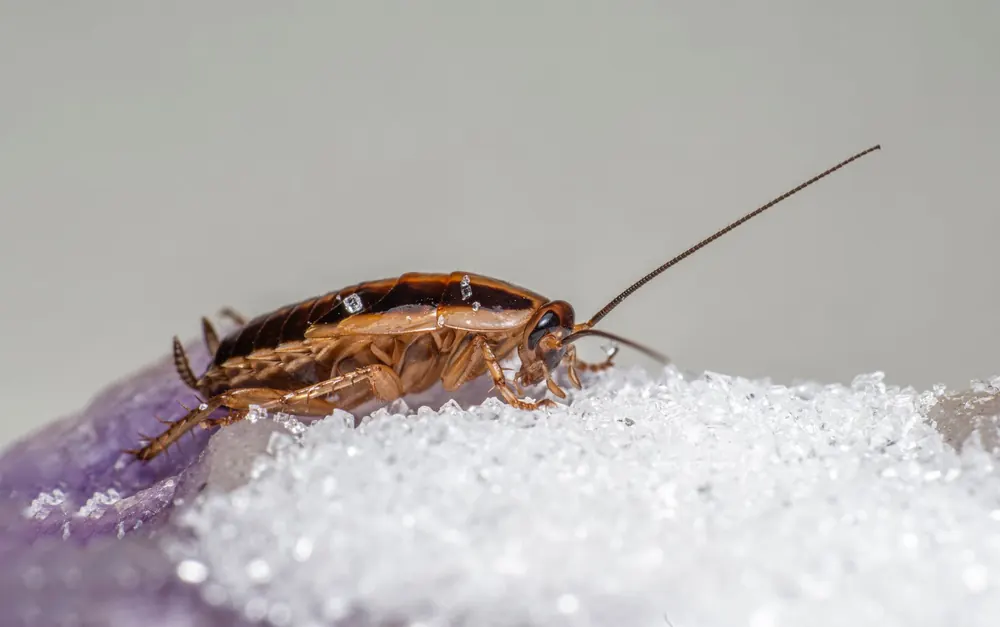
Seeing cockroaches in a Moreleta Park home usually means one of two things. Small, fast, light-brown roaches in the kitchen are German cockroaches, and they're breeding inside your house. Large, reddish-brown roaches that wander in from the garden or come up through a drain are American cockroaches, and they live mostly outdoors in sewers, manholes and damp corners. We treat both, but with different methods, so identifying the species is the first step.
The German cockroach: a complex problem
This is the one that causes real trouble in the suburb's townhouse complexes. German cockroaches live behind fridges, inside the motor housing of appliances, under the sink and in the hinges of kitchen cupboards. They breed very quickly, and they move between units along pipes, electrical conduits and gaps in shared walls. A unit can be spotless and still get them from next door.
Signs to look for:
- Small brown roaches running when you open a cupboard or switch on a light at night
- Black, pepper-like droppings in drawer corners and on cupboard hinges
- Light-brown egg cases tucked into crevices
- A stale, oily smell in a heavily infested kitchen
The American cockroach: a summer visitor
These are the large, winged ones that make people jump. In Moreleta Park they come out most on warm summer nights, especially after rain, emerging from stormwater drains, sewer manholes, garden drains and the base of downpipes. Inside, they're found in bathrooms, laundries and garages. They don't usually breed indoors in large numbers, but they're unhygienic and unwelcome.
How we treat cockroaches
- Inspection. We confirm the species and find where they're sheltering, which for German cockroaches is often a surprisingly small number of spots.
- Gel baits. Small dabs of cockroach gel go into hinges, cracks, appliance housings and behind units. Roaches feed on it, return to their hiding places and pass it on to others.
- Residual treatment. For American cockroaches, we treat drains, manholes, outside walls and entry points with an odourless, non-staining residual product.
- Follow-up. German cockroach infestations usually need a follow-up visit, because eggs hatch after the first treatment.
None of this means moving out of your home. Keep kids and pets off sprayed surfaces until they're dry.
What people often get wrong
Spraying an aerosol across the kitchen is the most common mistake we see, and it can make things worse. Surface sprays scatter German cockroaches deeper into walls and neighbouring cupboards, and many sprays contaminate gel baits so roaches stop eating them. If we've placed gel, don't spray over it.
The second mistake, in complexes, is treating one unit at a time over several months. The roaches just shuffle around the block.
Prevention
- Don't leave dishes in the sink overnight, and wipe the stove top before bed.
- Clean behind and under the fridge and stove now and then. Crumbs and grease there feed a whole colony.
- Fix dripping taps and leaking pipes under sinks. Cockroaches need water more than food.
- Check second-hand appliances and grocery boxes before bringing them inside.
Local tip: many older Moreleta Park homes have outside drain gullies close to the back door and kitchen window. Keep the grids on those gullies in place and clear of leaves, and pour a kettle of hot water down them occasionally in summer. That removes much of what attracts the big roaches up to the surface.
Restaurants, shops and offices
Food businesses in the area's shopping centres need more than a once-off spray. We offer scheduled monitoring and treatment visits, with records you can show a health inspector. Offices and schools with kitchens or tuck shops benefit from the same approach.
What does it cost?
It depends on the species, the size of the kitchen and home, and how heavy the infestation is. A few American cockroaches coming in from the drains is a small, quick job. An established German cockroach population in a townhouse kitchen needs a thorough baiting and at least one follow-up. Complexes and businesses are quoted on the number of units or areas. If you only see the odd big roach at night in summer, a decent bait station from the shop and a sealed drain grid might be all you need.
To compare notes with the rest of the city, see our Pretoria cockroach treatments. If you also have fishmoths in cupboards or other crawlers, see fishmoth treatment in Moreleta Park and crawling insect control here. Our Moreleta Park pest control page lists the rest, and nearby we also handle cockroach work in Garsfontein.
If cockroaches return within three months of our treatment, we come back to sort them out. Phone 012 012 5526, or WhatsApp a photo of the roach so we can tell you which one it is.
Questions we get asked
Why do I get cockroaches when my kitchen is clean?
In complexes, German cockroaches often move in from neighbouring units through pipes and shared walls. Cleanliness helps, but it doesn't stop that migration.
Are the big cockroaches dangerous?
They don't bite or sting, but American cockroaches come from drains and sewers, so they carry bacteria onto surfaces and food.
How quickly does cockroach gel start working?
You should see a drop in activity within days. Full control of a German cockroach population usually takes a couple of weeks and a follow-up visit.
Can I spray my kitchen after you've placed gel?
Rather not. Many sprays contaminate the gel, which stops cockroaches feeding on it and slows the treatment down.
Can you treat restaurants in Moreleta Park?
Yes. We service food businesses on scheduled visits, with treatment records for inspections.
Do cockroaches come back after treatment?
They can if there's a source next door or a new introduction. That's why we follow up, and why our treatment carries a 3-month guarantee.