
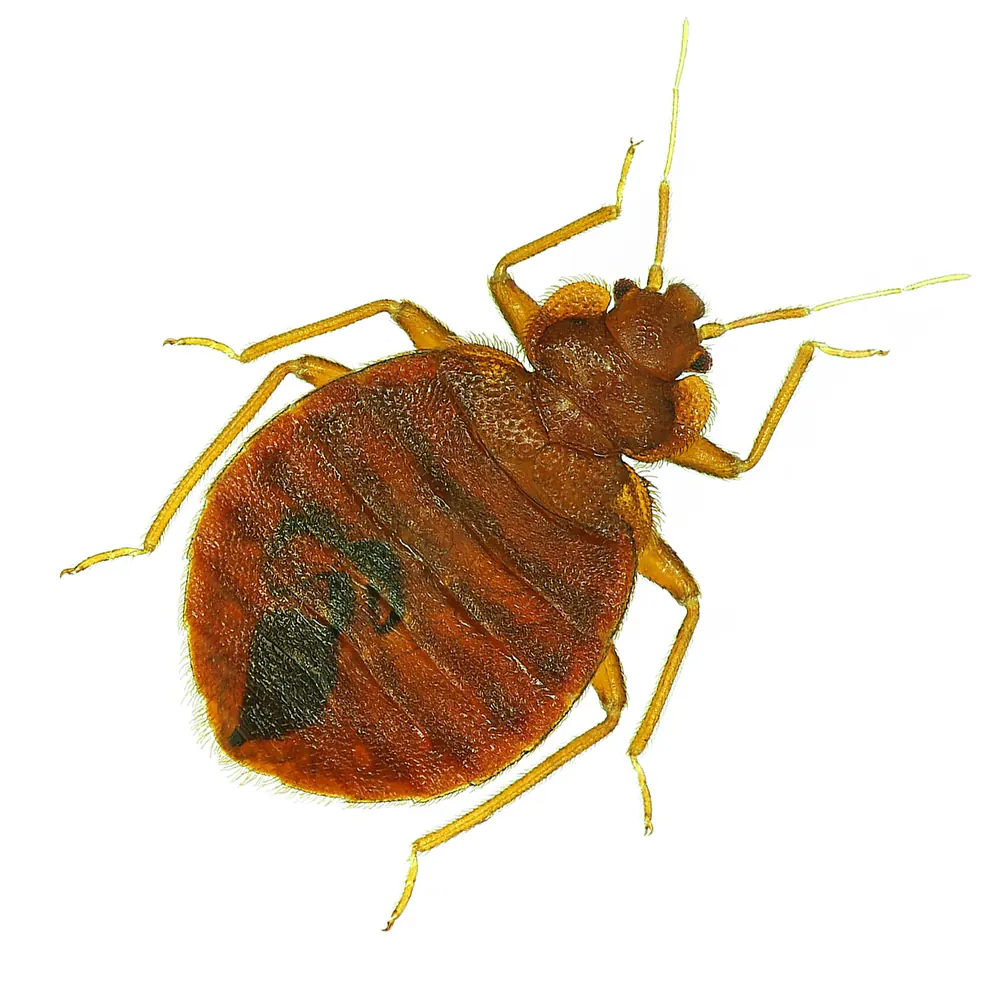
If you're waking up with itchy bites in Moreleta Park and finding small dark spots on your sheets, you need a thorough inspection and a treatment programme, not a single spray. Bed bugs hide in seams, slats and cracks, and their eggs survive many treatments, so a proper job always includes a follow-up visit.
How bed bugs end up in Moreleta Park homes
Bed bugs travel with people. They hitch a ride in suitcases after a holiday or business trip, in second-hand mattresses and couches, in a child's bag after a sleepover, or with a guest who's been staying somewhere infested. They have nothing to do with where you live or how clean your home is.
In a large suburb like this one, with families, long-term tenants and plenty of furniture changing hands, we see them across every type of property. Townhouse complexes add a complication: bed bugs can crawl between units along shared walls, through plug points and along pipes, so a neighbour's problem can become yours.
Bed bugs are also slow to be noticed. Not everyone reacts to the bites, so one person in a household can be covered in welts while another sleeps in the same bed with no marks at all. By the time the problem is obvious, the bugs have often been there for weeks and have spread from the mattress into the base, the headboard and the skirting behind the bed. Spotting them early makes the treatment quicker and simpler.
Signs of bed bugs
- Bites in lines or clusters, often on the arms, neck and legs, appearing overnight
- Tiny black or rust-coloured spots on mattress seams, sheets or the bed frame
- Small blood smears on the pillowcase
- Pale, shed skins in folds of the mattress or the base
- In heavier cases, a sweetish musty smell in the bedroom
- The bugs themselves: flat, oval, reddish-brown, about the size of an apple seed
Bites alone aren't proof. Fleas, mosquitoes and bird mites also bite at night. If you're not sure what's biting, see our page on biting insects in Moreleta Park.
How we treat bed bugs
- Inspection. We check every bed, base, headboard, couch and the cracks around them, and the rooms next to the affected bedroom.
- Preparation. We give you a clear list: wash bedding and clothes from the room on hot, dry them on high, bag clutter, and pull furniture slightly away from walls.
- Treatment. We apply registered, odourless residual treatment to the mattress seams, bed frames, bases, skirting, cracks and furniture where the bugs hide.
- Follow-up. We return after the eggs have had time to hatch, to catch the next generation before they can breed.
You don't need to move out. Stay off treated surfaces until they're dry, and keep sleeping in your own bed afterwards. The bugs need to come out and cross the treated areas.
What people get wrong
Moving to the couch or a spare room is the most common mistake. Bed bugs follow their host, so they spread to the new room and the problem doubles. Throwing out the mattress is the second. It's often unnecessary, and dragging an infested mattress through the house can drop bugs along the way. Over-the-counter foggers rarely reach the cracks where bed bugs hide, and can push them deeper into walls.
Keeping them out
- After travelling, unpack on a hard floor or in the bath, not on the bed, and wash clothes straight away.
- Inspect second-hand beds, couches and headboards closely before they come inside.
- Keep the bedroom uncluttered so there are fewer places to hide.
A tip for landlords with rental units in the suburb: check the mattress and bed base at every change of tenant. Catching bed bugs between occupants is far simpler than treating a lived-in, fully furnished unit.
What does it cost?
It depends on how many rooms and beds are affected, how established the infestation is, and how much furniture is involved. One bedroom caught early is a smaller job. A whole house, or several units in a complex, needs more time and follow-ups. Bed bugs are one of the pests where DIY rarely works, so we'll be straight with you about that.
Our article on how to get rid of bed bugs covers preparation in more depth. For the city-wide service, see bed bug control in Pretoria. There's more about local pests on our Moreleta Park pest page, and we also treat bed bugs in Garsfontein.
Our bed bug treatments are guaranteed for three months: if they come back in that time, we return. Call 012 012 5526, or WhatsApp us a clear photo of the bug or the marks on your mattress.
Questions we get asked
Is a bed bug problem a sign of poor hygiene?
No. Bed bugs feed on blood, not dirt. They arrive with luggage, furniture and visitors, and turn up in very clean homes.
Should I throw away my mattress?
Usually not. Most mattresses can be treated successfully. Only badly damaged or heavily infested mattresses are worth replacing, and only after treatment.
Why do I need a follow-up visit?
Bed bug eggs are hard to kill. The follow-up deals with the bugs that hatch after the first treatment, before they can breed.
Can bed bugs spread between townhouse units?
Yes. They can move through shared walls, plug points and pipe gaps, so neighbouring units sometimes need to be inspected too.
Should I keep sleeping in the treated bedroom?
Yes, once the treated surfaces are dry. Sleeping in your own bed draws remaining bugs across the treatment.
How do I know the bites are from bed bugs?
Look for the dark spots, shed skins or live bugs in mattress seams. Bites alone can also come from fleas, mosquitoes or mites.