
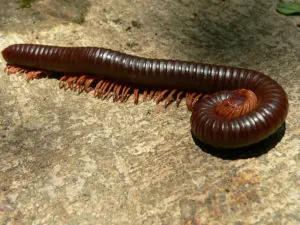
Millipedes, or shongololos, are harmless to people and good for garden soil, but when large numbers start coming into the house they become a real nuisance. In most cases the answer is partly in the garden: reduce the damp, decaying material they live in near the house, and treat the entry points and the base of the walls so fewer make it inside. We'll be honest if your problem is small enough to handle with some garden changes.
Why millipedes appear in big numbers here
Millipedes feed on decaying leaves, mulch, compost and rotting wood. The established gardens of the suburb's older homes, with mature trees dropping leaves, thick beds and compost heaps, provide lots of it. When the summer rains arrive, millipedes become far more active and start roaming, often in large numbers. They climb walls, cross patios and gather at doors and windows, especially on warm, humid evenings after rain.
Homes in the newer estates on the fringe of the suburb can see big millipede movements too, because the veld nearby holds large populations that spread into freshly planted, well-mulched gardens.
Townhouse complexes aren't spared either. A communal garden with deep bark mulch around the units, watered daily by a landscaping contractor, can produce a steady supply of millipedes heading for every ground-floor door. In that case it's worth raising the mulch question with the body corporate, because a change in the common garden helps every unit at once.
What you'll notice
- Many cylindrical, dark-brown or black creatures crawling up walls or across paving, especially after rain
- Millipedes curled into tight spirals when touched or disturbed
- Dead millipedes collecting along door thresholds, in garages and on patios
- A slightly unpleasant smell where large numbers have been crushed
- Small stains on walls or tiles from the defensive fluid some species release
Are they harmful?
They don't bite or sting. Some release a defensive fluid when handled that can irritate skin and eyes, and stain light surfaces, so wash your hands if you've picked one up and keep it away from your face. Dogs that mouth them sometimes drool or paw at their mouths for a while. In the garden, millipedes occasionally nibble seedlings or soft fruit lying on the ground, but they're mainly recyclers of dead plant matter.
How we deal with millipede swarms
- Look at the garden first. We identify the mulch, leaf litter, compost and damp areas close to the house that are feeding and sheltering the millipedes.
- Perimeter treatment. We apply an odourless, non-staining residual product around the base of the walls, door thresholds, weep holes, paving edges and beds against the house.
- Entry points. We check gaps under doors, garage doors and around pipes, and suggest simple sealing.
- Advice on timing. Millipede activity peaks with the rains and fades as the season changes, so we'll explain what to expect.
The most common mistake
Treating the millipedes and leaving the thick layer of mulch, the compost heap and the leaf-filled gutters that keep producing them. A second mistake is sweeping them into a pile on the patio and leaving it; the decomposing pile smells and attracts other pests. Sweep them up and put them in the bin or well away from the house.
Making the house less inviting
- Keep a strip of about half a metre around the house free of mulch, leaf litter and thick ground covers.
- Move compost bins and heaps away from the house walls.
- Clean leaves out of gutters, especially before the summer rains.
- Fix leaking taps and irrigation that keep the soil next to the walls wet.
- Fit door sweeps on outside doors and garage doors.
Local tip: many established gardens in Moreleta Park have a thick layer of fallen leaves building up under hedges and against the boundary walls. Raking that out every few months, particularly near the house, removes a lot of millipede food and shelter.
What does it cost?
It depends on the size of the property, the length of the perimeter and how heavy the millipede movement is. A standard perimeter treatment is a straightforward job. If you're seeing a few millipedes after rain, the garden changes above may be enough on their own, and we'll tell you if we think so.
Centipedes are often confused with millipedes, so see our Moreleta Park centipede page if yours are flat and fast. Wider information is on millipede control in Pretoria, and we also treat shongololo problems in Garsfontein. Our full local list is on the Moreleta Park page.
We're a SAPCA-registered business with 25 years of shongololo seasons behind us. Ring 012 012 5526, or send us a photo on WhatsApp of what's crawling up your walls.
Questions we get asked
Are shongololos dangerous to my children or pets?
No, they don't bite or sting. Their defensive fluid can irritate skin and eyes, so wash hands after handling and discourage pets from mouthing them.
Why do the shongololos appear in such numbers once the rains start?
Summer rain makes them much more active, and they roam in large numbers, often towards houses and paving.
Will millipedes damage my garden?
Rarely. They mostly eat decaying plant matter, although they occasionally nibble seedlings or fruit lying on the ground.
Do millipedes breed inside the house?
No. They need damp soil and decaying plant matter, so the ones indoors have wandered in and usually die quickly.
How long does a millipede swarm last?
Activity is seasonal, peaking with the rains and dropping as conditions change. Garden changes and a perimeter treatment reduce the numbers coming in.
Should I spray the millipedes on my wall?
It won't help much. Treating the base of the walls and removing damp debris near the house works far better than spraying individual millipedes.