
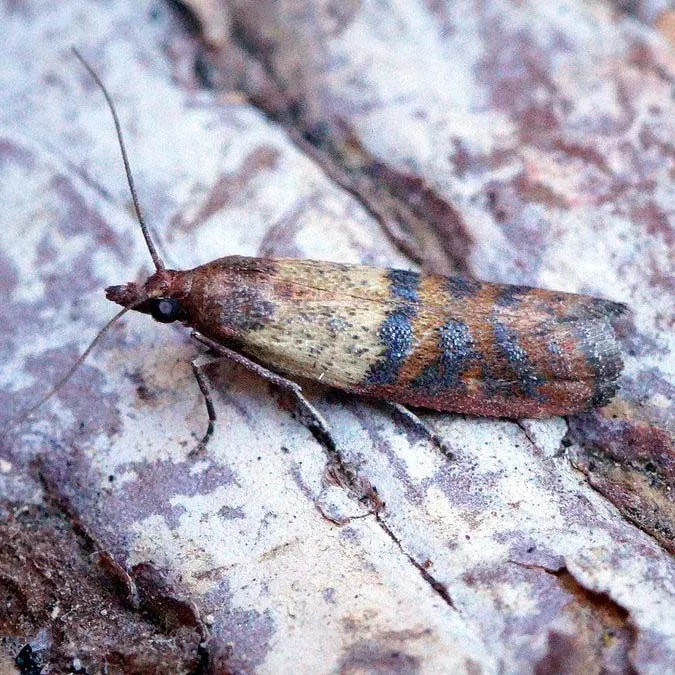
If you've found weevils, beetles or small moths in your food in Brooklyn, the fix is to find the infested product, throw it out, clean and treat the shelves, and store the rest of your dry food in sealed containers. Stored product pests don't come in from the garden. They arrive inside something you bought, then spread from packet to packet.
The usual pantry pests
- Weevils: small, dark beetles with a snout, found in rice, maize meal, pasta and grains.
- Flour beetles: tiny reddish-brown beetles in flour, cake mixes and cereals, often with a greyish tinge to the flour.
- Pantry moths: small greyish moths flying in the kitchen at night, with webbing and caterpillars in cereals, nuts, dried fruit and pet food.
- Biscuit and cigarette beetles: tiny round beetles in spices, biscuits, dried pet food and even dried flowers.
Why they turn up in Brooklyn kitchens
Many Brooklyn homes have big old pantries and deep built-in cupboards, with packets that get pushed to the back and forgotten. That's the ideal setup: a half-used bag of flour from last year becomes a breeding colony that spreads to everything nearby. In converted offices, the staff kitchen often has open packets of rusks, sugar, tea and biscuits that nobody owns, and nobody throws away. Food outlets and restaurants in the area hold larger stock that turns over at different rates. Bulk-bought pet food and bird seed stored in a garage are another common source.
Warm summer weather speeds everything up, so problems that were barely noticeable in winter suddenly become obvious in December.
Signs to look for
- Small beetles crawling on shelves or in packets
- Tiny holes in packaging
- Silky webbing or clumping in cereals, flour or nuts
- Small moths flying in the kitchen, especially at night
- Fine dust or powder under packets
- An off or musty smell in flour or grains
What we do
- Find the source. We go through the pantry, cupboards and any storage with you to find the infested products. Often there's one main source and a few secondary ones.
- Remove and clean. Infested products go in a sealed bag in an outside bin. Shelves are vacuumed, paying attention to corners, cracks and shelf supports.
- Treat the shelving. We treat cracks, crevices and the joints of shelving and cupboards with a suitable odourless, non-staining product, away from food.
- Storage advice. How to store dry goods so it doesn't happen again.
- Commercial follow-up. For food businesses and larger stores, regular monitoring catches new infestations early. In rare cases of heavy infestation in bulk stock, fumigation with registered fumigants may be the right option, and the sealed area would need to be vacated until it's cleared.
The common mistake
Throwing away the obviously infested packet and leaving the rest. By the time you see moths or beetles, there are usually eggs and larvae in other packets on the same shelf, and in the cracks of the shelving itself. Check every dry product, not just the one you noticed.
Tips that actually help
- Move flour, rice, cereals, nuts and pet food into glass or hard plastic containers with tight lids.
- Use older stock first, and don't top up containers with new product on top of old.
- Freeze new bags of flour or grain for a few days before storing them if you've had problems before.
- In Brooklyn's deep old pantries, empty and wipe down the back of the shelves a few times a year. That's where forgotten packets hide.
- Keep bird seed and pet food in sealed bins, not open bags in the garage.
Pantry pests and mice
Where there's stored food, mice aren't far away, and torn packets give them access. If you're also finding droppings, see our page on mouse control in Brooklyn. Cockroaches also feed on spilt food in pantries, so our cockroach treatments for Brooklyn may help too.
What does it cost?
For most homes, it's a simple job, and often you can solve it yourself by clearing out the pantry, cleaning thoroughly and storing food in sealed containers. Professional treatment makes sense when the problem keeps coming back, when it's spread through several cupboards, or for food businesses that need records and regular monitoring. The price depends on the size of the storage area and whether ongoing visits are needed.
More detail is on our stored product pest control in Pretoria page. We also handle pantry pests in Waterkloof, and the rest of what we treat locally is on our Brooklyn overview. One Stop Pest Control is SAPCA registered with 25 years in pest control. If the pests return within 3 months of treatment, we'll return too. Call 012 012 5526, or WhatsApp us a photo of the insects.
Questions we get asked
Where do pantry pests come from?
Usually from an infested product you bought. The eggs or larvae are already inside, and they spread to other food in the pantry.
Are pantry pests harmful if I eat them?
They're not considered dangerous, but infested food should be thrown away. It's spoiled and can cause allergic reactions in some people.
Can I get rid of pantry moths myself?
Often, yes. Find every infested product, clean the shelves thoroughly and store food in sealed containers. If they keep coming back, call us.
Will you spray my food?
No. We remove infested items and treat the cracks and joints of the shelving, away from food.
Do you service food businesses?
Yes. We provide regular monitoring and treatment for restaurants, food outlets and storerooms, with records of each visit.
Why do the moths keep coming back?
Usually because a hidden source is still there, such as a forgotten packet, pet food in the garage or larvae in the shelf cracks.