
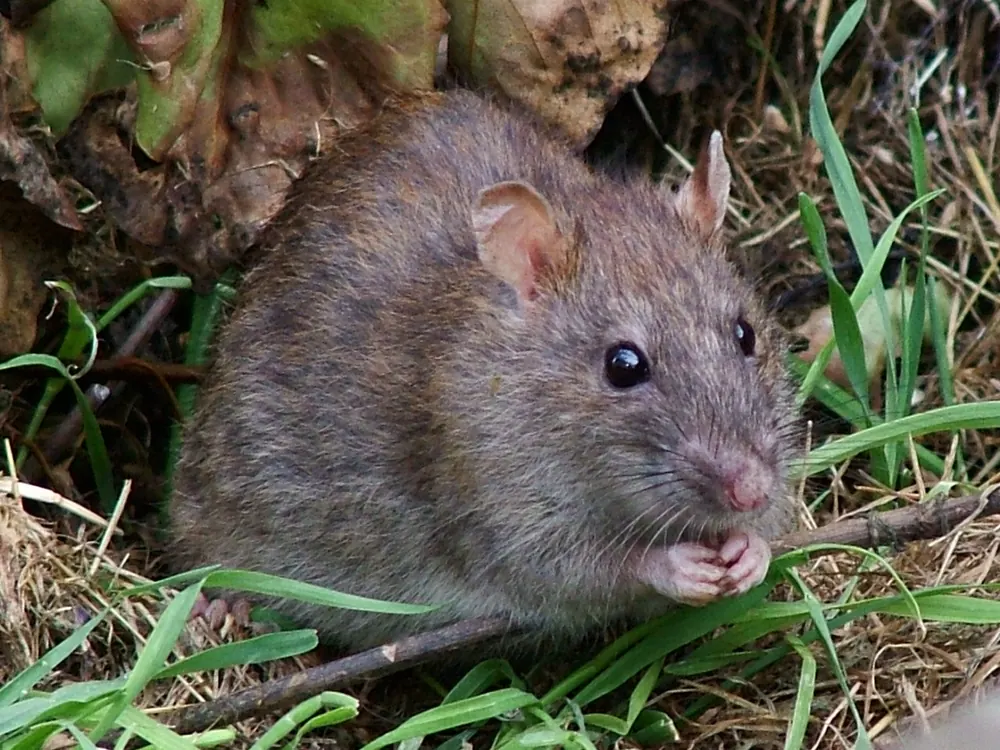
Rats in a Brooklyn roof are almost always roof rats that have climbed in, so the solution has two halves: remove the rats with traps and secure bait stations, and cut off the climbing routes that got them there. Skip the second half, and a new rat will be in the same roof within weeks.
The Brooklyn rat: a climber
The roof rat, also called the black rat, is slim, agile and happy to run along a cable or the top of a wall. Brooklyn suits it well. The suburb has mature trees that reach over roofs, old boundary walls covered in creeper, and houses with decades-old roofs where tiles have shifted and fascia boards no longer meet the wall. Once inside, a rat has a dry, warm space above the ceiling with insulation to nest in and a quick route down to the kitchen or the garden at night.
The problem is worst from May to August. On cold Highveld nights a roof full of insulation is the warmest place on the property, and rats that lived in the garden over summer move up. Plenty of Brooklyn households first notice them during the first cold snap of the year.
Brown rats are here too, but they are diggers. You find them in burrows under paving, sheds and compost heaps, and they come in at ground level through old drains and gaps under doors. If your problem is at floor level rather than overhead, that's the one to suspect.
How to tell rats are in the roof
- Running, scratching or rolling sounds above the ceiling after dark
- Droppings in the roof void, on top of cupboards or along the back of the stove
- Chewed wiring, insulation pulled into nests, or gnawed roof timbers
- Dark greasy marks where rats squeeze past a beam or a gap
- Fruit on the trees eaten from the inside, or bird seed disappearing overnight
- Pets fixated on one section of the ceiling
What we do
We start in the roof and work out. Inside the roof void we look for nests, runs and the points where rats enter, and we use traps there, because bait inside a ceiling means rats can die where nobody can get to them. Outside, we put lockable, tamper-resistant bait stations along walls and at the base of trees, where rats travel but children and dogs can't get at the bait. Then we walk you around the property and point out every way up: overhanging branches, creepers, cables, gaps under the eaves, broken ventilation covers.
For a house, that usually means one visit plus a follow-up. For offices and embassies in converted homes, we can keep stations serviced on a regular schedule.
The most common mistake in Brooklyn
Pruning everything except the one tree that matters. People often cut back the shrubs and leave the big old tree whose branches rest on the gutter, because it's a lot of work or a neighbour's tree. That single branch is usually the main road in. It's worth talking to the neighbour or getting a tree feller to cut a clear gap around the roofline.
Prevention that works on old houses
- Keep tree branches and creepers well clear of the roof and gutters.
- Fit mesh behind broken air bricks and ventilation grilles.
- Close gaps where fascia boards have pulled away from the wall.
- Pick up fallen fruit and don't overfill bird feeders.
- Keep pet food indoors at night.
- Store bins with tight lids and keep them away from the house.
What does rat control cost?
The main factors are the size of the house and roof, how many stations and traps are needed, how many follow-up visits it takes and whether there's a larger site, like an office building or a group of neighbouring houses, to cover. A single home with a rat or two in the roof is a modest job. We'll tell you plainly if a couple of traps from the hardware store will do it.
Our guide on how to get rid of rats covers what you can try first, and our city-wide rat control service explains the methods in more depth. Rats in older roofs are just as common in neighbouring suburbs, and we do a lot of rat control in Waterkloof. Where rats are, cockroaches often aren't far away, so it's worth reading about Brooklyn cockroach treatments too, or browsing our full list on pest control in Brooklyn.
One Stop Pest Control has 25 years of experience and is SAPCA registered. If the rats come back within 3 months of our treatment, we return at no extra charge. Phone 012 012 5526 tonight, or WhatsApp us a picture of the droppings.
Questions we get asked
How are rats getting into my Brooklyn roof?
Most often along tree branches, creepers or cables that touch the roof, then through gaps under the eaves, loose tiles or broken ventilation grilles.
Should I put poison in the ceiling?
We advise against it. Rats can die inside walls where they can't be removed, and loose bait is a risk to pets. Traps inside the roof and bait stations outside work better.
Can rats chew through electrical wiring?
Yes, they gnaw cables in roof voids, which is a fire risk. If you hear rats overhead, it's worth having the roof checked rather than waiting.
My neighbour's tree touches my roof. What can I do?
Speak to your neighbour about cutting it back, since it's likely helping rats into both houses. We can point out exactly which branches are being used.
How quickly will the noise stop?
Usually within one to two weeks once traps and stations are in place, sooner if the entry points are closed early.
Are the rats coming from Brooklyn Mall?
Not necessarily. Most roof rats in homes come from nearby gardens and trees. Any area with food waste and shelter can support rats, so we look at your own property first.