
To get rats out of a Garsfontein house for good, you have to find out how they're climbing in, deal with the ones already there, and then close that route. In this suburb, the route is very often up: a tree, a creeper or a wall leading onto the roof. Bait alone won't fix that.
How a typical Garsfontein rat problem starts
It usually goes something like this. Summer is quiet. In May or June, the nights turn cold, and someone hears a thump and then scratching above the ceiling. A week later there are droppings in the garage near the dog-food bag and a chewed corner on the bird-seed packet. By July the noise is every night.
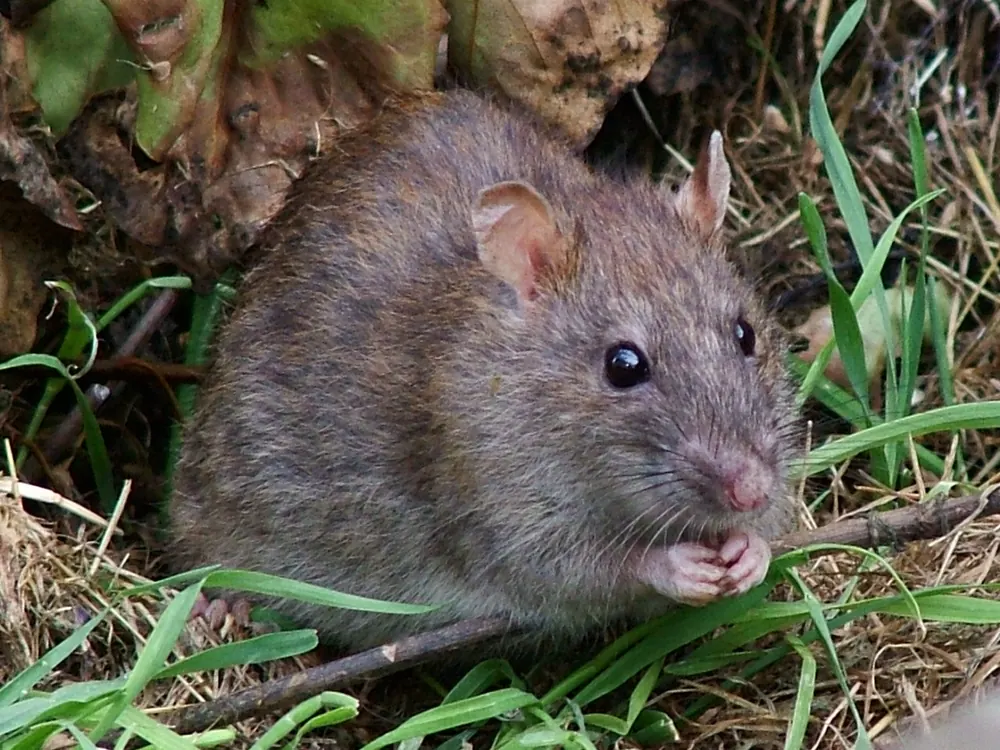
The rat in that story is normally the roof rat, a good climber that lives in trees, hedges and creepers in summer and moves into the roof void when it gets cold. Established family gardens with big trees, fruit trees and vine-covered boundary walls give it everything it needs. The brown rat turns up too, burrowing under paving, sheds and compost heaps and coming in at ground level, but in freestanding Garsfontein homes it's mostly the climber we're chasing.
What to look and listen for
- Heavy running or dragging sounds overhead, starting after dark
- Raisin-sized droppings in the garage, roof or behind appliances
- Chewed irrigation pipe, bin lids or the plastic on garden furniture
- Dark rub marks where rats squeeze through the same gap every night
- Fruit on the tree with neat, hollowed-out holes
- The dog fixated on one corner of the ceiling or garden at night
Don't ignore the garage. It's often the warmest, quietest and least-visited room in a Garsfontein home, and with a bag of dog pellets, a box of old toys and a gap under the door, it can house rats for weeks before anyone in the house notices. Pellets spilt across the floor, nibbled packaging and droppings along the back wall are the first things we check there.
What we do on site
We check the roof void, garage and kitchen, and then walk the outside of the house looking up as much as down. Where are the branches touching the roof? Is the creeper on the boundary wall reaching the gutter? Are the eaves open at the corners? Once we know the route, we put lockable bait stations along it outside, use traps in the roof so nothing dies in a place you can't reach, and leave you with a short list of fixes. Most of these are simple: trim the branch, cut the creeper back, close the eave gap, fit a brush strip to the garage door.
The trouble with feeding the birds
Bird feeders are one of the biggest rat attractants we find in Garsfontein gardens, and few people make the connection. Seed falls to the ground, rats feed on it at night, and the feeder becomes the centre of their territory. If you have rats, take the feeder down for a few weeks while we deal with them. If you want to keep it, use a tray that catches spilt seed and sweep under it before dark.
The mistake that brings them back
Getting rid of the rats and leaving the route open is the classic one. Rats leave scent trails, and a gap that worked for one family of rats will be found by the next. We'd rather spend time showing you how they got in than come back next winter for the same roof.
What does rat control cost?
The quote is shaped by the number of stations, any work needed in the roof void, and how many return visits it takes before activity stops. A single house with rats in the roof is a fairly routine job. A large garden with fruit trees and a lot of cover, or a complex with shared roofs, takes more. If you've seen a single rat once in the garden and nothing since, a couple of well-placed traps from the hardware store may be enough. Our article on how to get rid of rats explains how to do it properly.
Rats and mice often arrive together. If you're seeing tiny droppings in the kitchen as well, have a look at our mouse control in Garsfontein. You'll find the full list of local services on the pest control in Garsfontein page, and for the city-wide approach, see rat control in Pretoria. We handle the same roof-rat problem regularly in the big gardens of Waterkloof.
We've been doing this for 25 years and are SAPCA registered. If rats return within three months of treatment, we come back under our guarantee. Phone 012 012 5526 to book, or take a picture of the droppings or chew marks and send it on WhatsApp.
Questions we get asked
How are rats getting into my roof?
Usually by climbing. Trees, creepers, boundary walls and cables that touch the roof let roof rats walk straight onto the eaves and in through any gap.
Should I cut down the tree next to my house?
Rarely. Trimming the branches back so they no longer touch or overhang the roof is usually enough to break the route.
Will rats chew the electrical wiring in my roof?
They can. Rats gnaw constantly to keep their teeth down, and cables in the roof void are a common target, which is one reason not to leave the problem over winter.
Do rats carry disease?
Yes. They can carry diseases through their urine and droppings, so wear gloves and avoid sweeping up droppings dry. Damp them first with a disinfectant.
Can you put bait in the roof?
We generally prefer traps in the roof. Bait is placed outside in locked stations so that rats don't die in the ceiling and cause a smell.
Why are there more rats in winter?
They're not necessarily more numerous, they're just closer. Roof rats live outside in summer and move indoors when the nights get cold.