
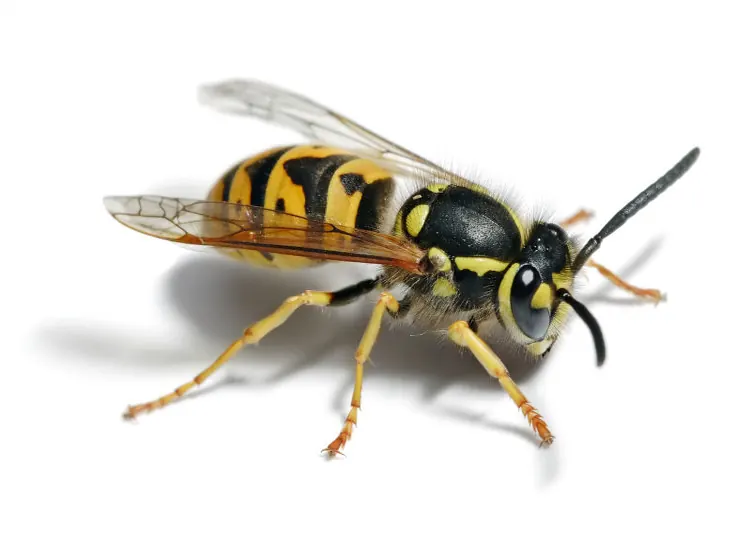
If wasps have built a nest at a Brooklyn home or office, the safest fix is a targeted treatment of the nest itself, done properly so the whole colony is dealt with and nobody gets stung in the process. Knocking it down with a broom usually just makes the wasps angry and leaves them to rebuild a metre away.
Where wasps nest in Brooklyn
Most of the nests we treat here belong to paper wasps, which build open, umbrella-shaped grey combs hanging from a single stalk. Brooklyn's older houses are full of the sheltered overhangs they love: deep eaves, the underside of verandas and pergolas, old window frames, shutters, garden walls with coping and the roofs of carports. Mature trees and dense shrubs, especially along boundary walls, give them more sites still.
Converted houses used as offices, embassies and practices add a particular risk. Entrances, gates, intercom panels and covered parking are used by lots of people every day, and a nest above a doorway or a security booth means stings for staff and visitors.
When wasps are a problem
Wasps start new nests in spring as the weather warms up. A nest that is the size of a coin in September can be the size of a hand by midsummer, with many more wasps defending it. That's why it pays to deal with them early. As the season ends and nights get cold, the colony dies off, and old nests are rarely reused, though wasps may build again nearby the following year.
Signs to look for
- Grey, papery comb under eaves, ledges, window frames or in shrubs
- Wasps repeatedly flying to the same spot
- Wasps around outdoor seating, a pool or a water feature, where they come to drink
- Wasps gathering at gutters, a sign there may be a nest under the roof edge
How we treat wasp nests
We treat the nest directly, using protective equipment and a product applied to the comb so the wasps on it are dealt with. Where possible, we do it at a time when most of the colony is home. Once the nest is no longer active, we remove it. If a nest is hidden inside a roof cavity or wall, we treat the entry point the wasps are using. For offices, we can schedule the work for a quiet time so staff and visitors aren't put at risk.
Keep children and pets indoors while we work and until we've told you the area is safe.
The mistake that leads to stings
Spraying a nest with a household can from close up, during the day, then running. Many of the wasps are away from the nest foraging, and they come back to find the colony disturbed and defend it aggressively. Others survive the spray and build again nearby. If the nest is large, high up, near a doorway, or someone in the house is allergic to stings, leave it to us.
Brooklyn tip: check under the eaves in spring
Once a week in September and October, walk around the house and look up at the eaves, the veranda ceiling and the pergola. Small nests at this stage are easy to deal with, and you'll catch them before they grow. Clear old wasp nests from previous years too, so new queens don't settle in the same sheltered spots.
Allergies
If anyone in your household or office has a known allergy to wasp or bee stings, treat any nest near the house or entrance as urgent and keep them away from it until it's been dealt with. If someone shows signs of a severe reaction after a sting, get medical help immediately.
What does wasp nest removal cost?
It depends on how many nests there are, their size, how high up and how hard to reach they are, and whether they're inside a roof or wall cavity. A single small nest under a low eave is a quick job. Several nests on a multi-storey building, or one inside a cavity, takes more time. If it's a tiny nest within easy reach and nobody's allergic, you may be able to deal with it yourself in the evening with the right product.
We treat wasps across the city through our wasp nest removal in Pretoria, and we see the same eave-and-veranda nests in Lynnwood wasp control. If wasps are part of a wider flying insect problem around your property, read about flying insect control in Brooklyn, or see everything we do on our Brooklyn page. We are SAPCA registered with 25 years in pest control. If a treated nest becomes active again within 3 months, we come back. Call 012 012 5526, or WhatsApp us a photo of the nest.
Questions we get asked
Can I knock a wasp nest down myself?
For a very small nest within easy reach, possibly, in the evening with the right product. Larger nests, high nests and nests near doors are best left to us.
Will wasps come back to the same spot?
Old nests are rarely reused, but wasps often build again in the same sheltered area. Checking the eaves in spring catches new nests early.
Do you treat wasp nests at offices and embassies?
Yes. We can schedule the work for a quiet time and make sure entrances and parking areas are safe for staff and visitors.
What if a nest is inside the roof?
We treat the entry point the wasps are using so the product reaches the nest inside the cavity.
Are wasps worse in some years?
Yes. A warm, dry spring can give colonies a strong start, and nests grow quickly through summer.
Do you remove beehives as well?
Bees are different from wasps and are important pollinators. If you have a beehive, tell us when you call, and we'll explain the best way to handle it.