
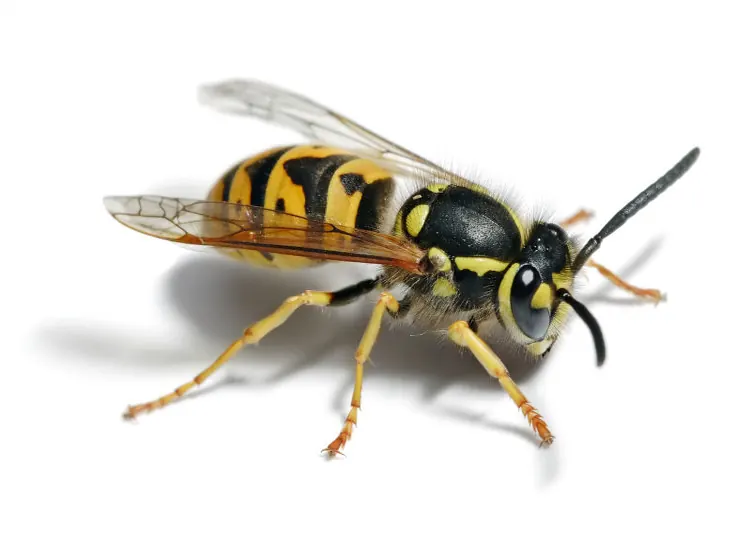
The safest way to deal with a wasp nest at a Montana home is a targeted nest treatment followed by removal once the wasps are dead, done by someone with protective gear. Swatting at the nest with a broom or hosing it down is how most stings happen. If the nest is small, high and away from where people walk, you can sometimes leave it alone, and we'll tell you if that's the case.
Why Montana homes attract wasps
Paper wasps are the most common wasps around Pretoria homes, and they like dry, sheltered overhangs to build from. Many Montana houses and complexes are fairly new, with wide eaves, covered patios, pergolas, carports and garage overhangs. Those are exactly the spots paper wasps choose. Open veld and gardens nearby provide them with caterpillars and other insects to feed their young, plus water from pools, birdbaths and irrigation.
Wasp season starts in spring, when a single queen begins a small nest, and peaks through the hot summer months. By late summer, an untreated nest can have a large number of wasps, and they become more defensive as it grows.
Where nests usually are
- Under the eaves and fascia boards
- Inside carports and under covered patios
- Behind gutters and in the corners of window frames
- Inside pergolas and wooden garden structures
- In boxed gate motors, meter boxes and the backs of air conditioner units
- Inside hollow poles and outdoor light fittings
Which wasps are we talking about?
Paper wasps build open, umbrella-shaped nests of grey paper with the cells visible underneath. They're the ones that sting most often around homes. Mud daubers build small clay tubes or pots on walls and ceilings. They're solitary, rarely sting and usually don't need treatment. Occasionally, we're called about honeybees instead of wasps. Bees aren't something we kill as standard. For a swarm, a beekeeper is often the better call.
How we deal with wasp nests
We inspect the area to find every active nest, because there's often more than one. Then we apply a targeted treatment directly to the nest, working in protective gear. Once the wasps are dead, we remove the nest so new wasps don't reuse the site. If the nest is in a meter box, gate motor or wall cavity, we take care to treat it without damaging the equipment. Where several nests keep appearing under the same overhang, we can apply a residual treatment to discourage queens from building there again.
You can stay in the house. Keep children and pets indoors while we work and until we confirm the area is safe.
Complexes, schools and businesses
In complexes, wasps often build in the shared carports and the covered walkways between blocks, where residents pass all day. Those nests are a body corporate matter, and it's worth reporting them early rather than waiting for someone to be stung. Schools, crèches and offices with covered parking or play areas have the same problem, and for them we can include wasp checks in a regular service so nests are found while they're still small.
What people get wrong
Trying to knock the nest down with a broom or blast it with a hose during the day. Every wasp in the nest is home and alert, and they'll go for whoever is closest. Spraying a can of insect spray at a large nest from a ladder is even riskier. A fall from a ladder while being stung is a far worse injury than the stings themselves.
A Montana tip
Walk around the house once in early spring, from September, and look under the eaves, carport and patio roof. A new nest at this stage is the size of a thumbnail with one queen on it. If it's easy and safe to reach, you can knock it down in the early morning while she's sluggish. Catch it then, and you avoid a large nest in January.
What does wasp nest removal cost?
It depends on how many nests there are, how high they are and how easy they are to reach. A single nest under a low carport is a simple job. Several nests across a double-storey roofline, or a nest inside a wall cavity or gate motor, takes more time. If a small nest is high up and away from doors and walkways, it may be fine to leave it, and we'll say so.
Wasps are part of the wider summer insect picture, so see flying insect control in Montana for flies, mosquitoes and other flyers. For everything else in the suburb, there's our Montana pest control page. We also remove wasp nests in Lynnwood, and our citywide service is described under wasp control in Pretoria.
We're SAPCA registered, with 25 years of nest removals behind us. If wasps rebuild on the treated site within three months, our guarantee covers a return visit. Call 012 012 5526, or WhatsApp us a photo of the nest and where it is.
Questions we get asked
Is it safe to remove a wasp nest myself?
Only if it's very small, newly started and easy to reach from the ground. Larger nests, or anything that needs a ladder, are best left to us.
When is wasp season in Pretoria?
Nests start in spring and grow through summer. They're largest and most aggressive in late summer.
Will wasps come back to the same spot?
They can, especially if the old nest isn't removed. We remove treated nests and can treat the site to discourage new queens.
Do you remove bee swarms?
We deal with wasps. For honeybee swarms, a beekeeper is usually the better option.
What if someone is allergic to wasp stings?
Keep them well away from the nest, keep their medication close, and call us rather than trying to tackle it yourself.
Do mud daubers need to be removed?
Usually not. They rarely sting. You can scrape off the clay tubes once they're empty if you don't like the look of them.