
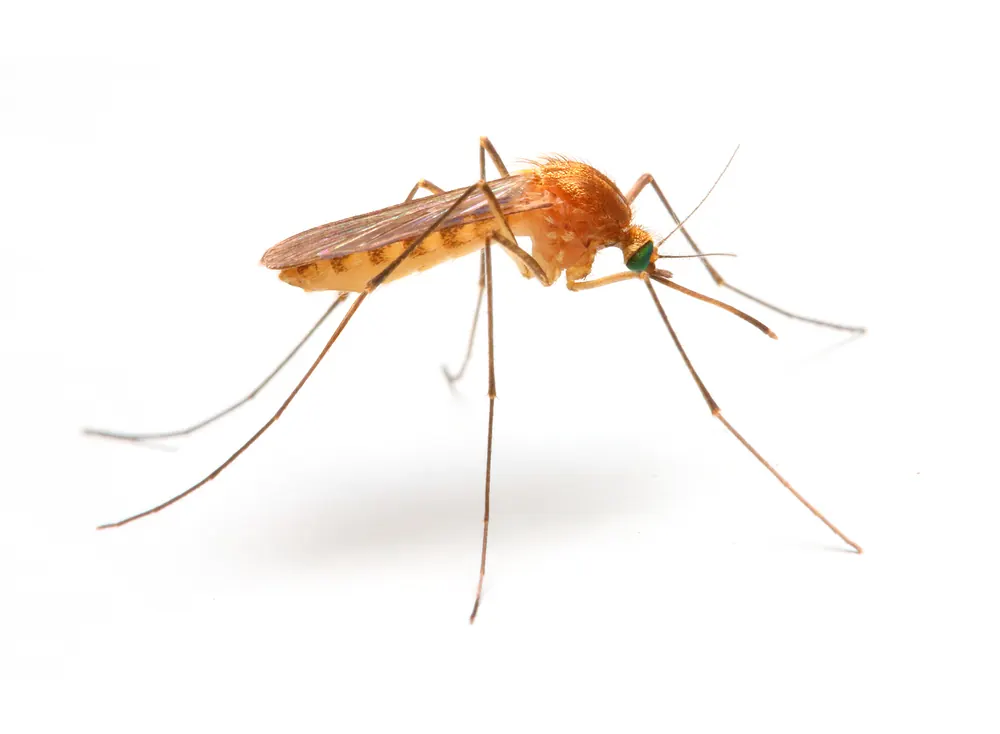
Flying insects around a Lynnwood home are usually breeding or nesting somewhere on the property or right next to it: mosquitoes in standing water, flies in bins and compost, wasps under the eaves, moths drawn in by lights. The approach that works is to find those sources and deal with them, then treat the shady places where adult insects rest during the day. Fogging the garden on a Saturday afternoon gives you a quiet evening, and the same problem a few days later.
A summer pattern shaped by water and trees
Pretoria's summer heat and afternoon storms are the engine behind most flying insect problems, and Lynnwood's gardens give that engine plenty to work with. Many properties have a pool, and some have fish ponds, water features and birdbaths. After rain, water collects in pot saucers, blocked gutters, old tyres, wheelbarrows, drain grids and pool covers. Tall trees and thick shrubs give mosquitoes and flies shady, humid places to rest through the heat of the day. Outside lights pull moths, flying ants and beetles to the house at night. And older houses with open eaves are ideal for paper wasps.
The main culprits
Mosquitoes
Mosquitoes lay eggs on still water, and the larvae need only a little of it. A blocked gutter or a saucer under a pot plant can produce mosquitoes for the whole house. A well-maintained, chlorinated pool is rarely the source; a neglected one, or water lying on top of a pool cover, can be.
Flies
House flies and blowflies breed in rotting food, refuse, compost and pet mess; fruit flies in overripe fruit and recycling; drain flies in the slime inside drains.
Wasps
Paper wasps build under eaves, patio roofs and pergolas. They're treated at the nest. Our page on wasp nest treatment in Lynnwood goes into detail.
Moths and other night flyers
Mostly a light problem, drawn to bright white outside lights and porch lamps on summer nights.
How we treat flying insects
We start with a walk around the property to find what's breeding where: standing water, bins, compost, drains, pet areas, nests. Some sources you can fix yourself, and we'll point them out. Others we treat directly, such as drains, nests and refuse areas. For mosquitoes and flies, we then apply a residual treatment to the places they rest: the undersides of eaves, patio ceilings, shady walls, dense shrubs near the house and the walls around bin areas. Insects landing there are killed. For restaurants, offices and schools, a scheduled service through the summer keeps numbers down. For a normal treatment, you can stay at home; keep children and pets off treated surfaces until dry.
What people get wrong
Expecting a single treatment to keep mosquitoes away for a whole Lynnwood summer while a blocked gutter keeps breeding them. Treatment of resting places helps a lot, but it works best when the breeding water is gone. Another is the bug zapper hung right next to the patio table. It attracts insects to where you're sitting, and most of what it kills are harmless moths and beetles.
A local tip for pool owners
If your pool is covered for winter or you use a solar cover, pump off the rainwater that collects on top after each storm. A sagging cover full of warm, leaf-filled water is one of the best mosquito nurseries in a Lynnwood garden, and it's easy to miss because the pool itself looks clean.
What does it cost?
It depends on what's flying, how many breeding sources there are and how large the area is. A single wasp nest or a drain fly problem is a small job. Mosquito and fly treatments around a large Lynnwood stand with a pool, a pond and a cottage take more time, and some homes choose a few treatments spread over the summer. Food businesses and schools are quoted on their size and how often visits are needed. And if clearing standing water fixes the problem, which it often does, you won't need us.
For more on flies specifically, read about getting rid of flies in Lynnwood. We cover the whole city through flying insect control in Pretoria, and homes near the reserve's grassland and stream through flying insect control in Faerie Glen. Every other pest we treat nearby is on the main Lynnwood page.
We're SAPCA registered and have 25 years of experience. If the treated insects come back within three months, we'll come back too. Call 012 012 5526, or WhatsApp us a photo of the insect, or of the spot you think it's breeding in.
Questions we get asked
Does my swimming pool breed mosquitoes?
A clean, chlorinated, circulating pool rarely does. Water lying on a pool cover, a neglected pool or a pond without fish is far more likely to.
Can you fog my garden before a party?
We prefer treating the places insects rest and breed, which lasts longer than a one-off fog and has less impact on the rest of the garden.
Why are there so many moths at my door at night?
Bright white lights attract them. Switching to warm yellow bulbs, or moving the light away from the door, makes a big difference.
Are flying insect treatments safe around fish ponds?
We keep treatment away from ponds and water features, and treat resting areas such as walls and eaves instead.
When should I book a mosquito treatment?
Early in the rainy season, once you've cleared standing water. Treating before numbers peak works best.