
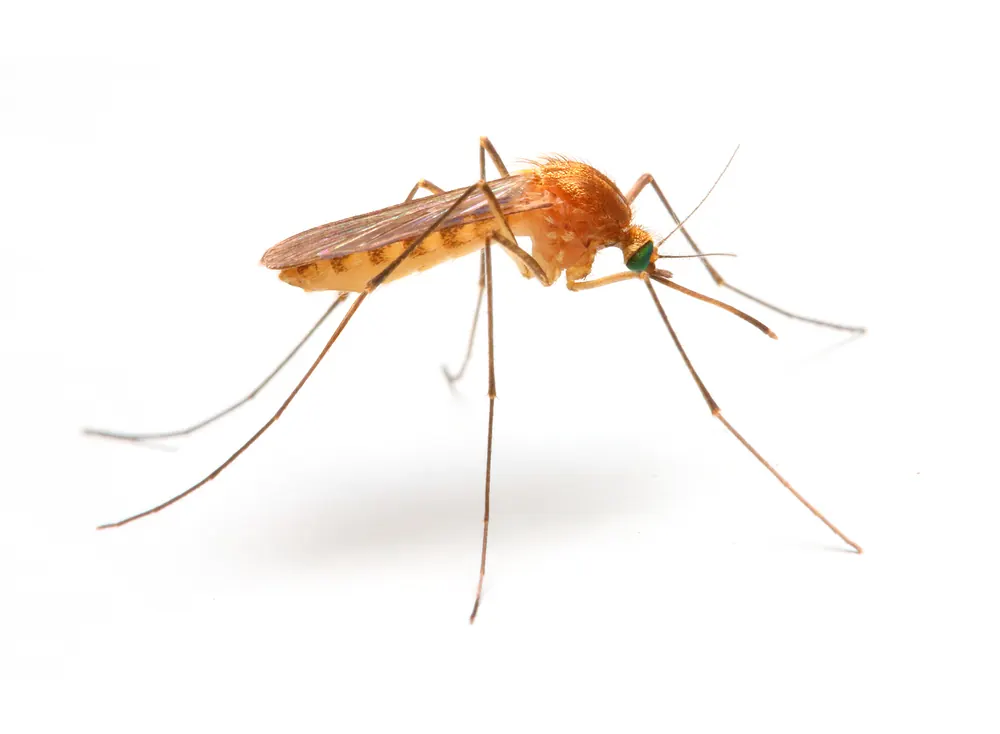
Flying insects are the hardest to control by spraying them in the air. They hatch somewhere nearby, rest on walls and plants, then come to your patio, kitchen and bedroom. The effective approach is to find where they're breeding, cut that off, and treat the surfaces they rest on. On large Waterkloof properties with water features, big trees and lots of outdoor lighting, there's usually more than one source.
The main culprits
Mosquitoes
Mosquitoes need standing water to breed, and only a little. Bird baths, pond edges, blocked gutters, pot plant saucers, a leaking garden tap, the water caught in a folded pool cover and the bottom of an unused fountain all work. Older homes with box gutters and full downpipes under big trees often hold water for long after a storm. Mosquitoes then rest in shaded, humid spots like dense shrubs, under decks and in the garage, and come out at dusk.
House flies and blowflies
These breed in compost, dog droppings, bins and rotting fruit and come to the kitchen and braai area.
Moths and night fliers
Moths, beetles and small midges are drawn to outside lights, and they in turn bring spiders, geckos and frogs.
Flying ants and termites
After the first summer storm, winged termites and ants pour out of the ground and swarm around lights. It's a short, natural event, but if they come out of a wall or floor inside, it needs checking.
Wasps
Paper wasps build under eaves and in patios. These need targeted nest treatment rather than general spraying.
Why Waterkloof has a strong flying insect season
Mature trees, irrigated lawns, ponds and water features keep gardens green and damp through summer, and Highveld thunderstorms top up every container and gutter in the afternoon. Many homes have a lot of outdoor lighting for security and entertaining, which pulls night-flying insects toward the house. Put those together and you have a lot of breeding and a lot of attraction.
How we treat flying insects
- Source survey. We look for standing water, compost and waste, blocked gutters and drains, and anything else producing insects.
- Fix the source. We show you what to empty, cover, clean or change. This step does most of the long-term work.
- Residual treatment of resting areas. An odourless, non-staining product on shaded walls, eaves, patio ceilings, under decks and on dense shrubs near living areas, so insects resting there die.
- Nest treatment for wasps, where present.
- Seasonal plans for residences and households that entertain outdoors through summer.
Inside the house
Flying insects don't stay outside. Mosquitoes rest on bedroom walls and behind curtains during the day, and moths and midges get in every time a door is left open with a light on behind it. In bedrooms, we can treat the resting surfaces where mosquitoes settle, such as wall corners, behind wardrobes and under beds, with a product that won't mark paint. Window and door screens on bedrooms facing the garden or a water feature make a noticeable difference too, and they're worth considering in older houses where the windows don't seal well.
The mistake that wastes money
Fogging or spraying the air before a party. It kills the insects flying at that moment, and new ones arrive within an hour from the same pond, gutter or compost heap. A residual treatment of resting areas a day or two before, combined with removing breeding water, works much better.
A local tip
After every big summer storm, walk the property for five minutes and tip out anything holding water: saucers, buckets, wheelbarrows, children's toys, pool cover folds. Mosquitoes can go from egg to adult in about a week in summer heat, so doing it after each storm keeps you ahead of them. Clean the gutters under big trees too.
What does flying insect control cost?
Price follows the size of the stand, the number of breeding sites, the insects involved and whether you want a once-off treatment or a plan for the season. Often the most valuable part of the visit is identifying the sources, which you can then manage yourself. A residence hosting regular outdoor events may want scheduled treatments through the warm months.
For more on how we tackle fliers across the city, see flying insect control in Pretoria. Specific pages cover flies in Waterkloof homes and wasp nests in Waterkloof. The local overview is on our Waterkloof pest control page, and we also treat flying insects in Lynnwood.
One Stop Pest Control is SAPCA registered with 25 years' experience. Our treatments carry a 3-month guarantee. Call 012 012 5526, or WhatsApp us a photo of what's bothering you outside.
Questions we get asked
Where do mosquitoes breed in a garden?
In any standing water: bird baths, saucers, blocked gutters, pond edges, buckets and pool cover folds. Even a small amount is enough.
Can you treat before a garden function?
Yes. We treat resting areas a day or two beforehand and help you remove breeding water so numbers are lower on the day.
Why are there so many insects around my outside lights?
Many night-flying insects are attracted to bright white light. Warm or yellow bulbs, or lights on motion sensors, attract far fewer.
Do flying ants mean termites?
Sometimes. Swarms after the first summer rain are normal outdoors. If they come out of a wall, floor or frame indoors, have it checked for termites.
Does spraying the garden get rid of mosquitoes?
Only briefly unless the breeding water is removed. Combining source removal with a resting-area treatment gives lasting results.