
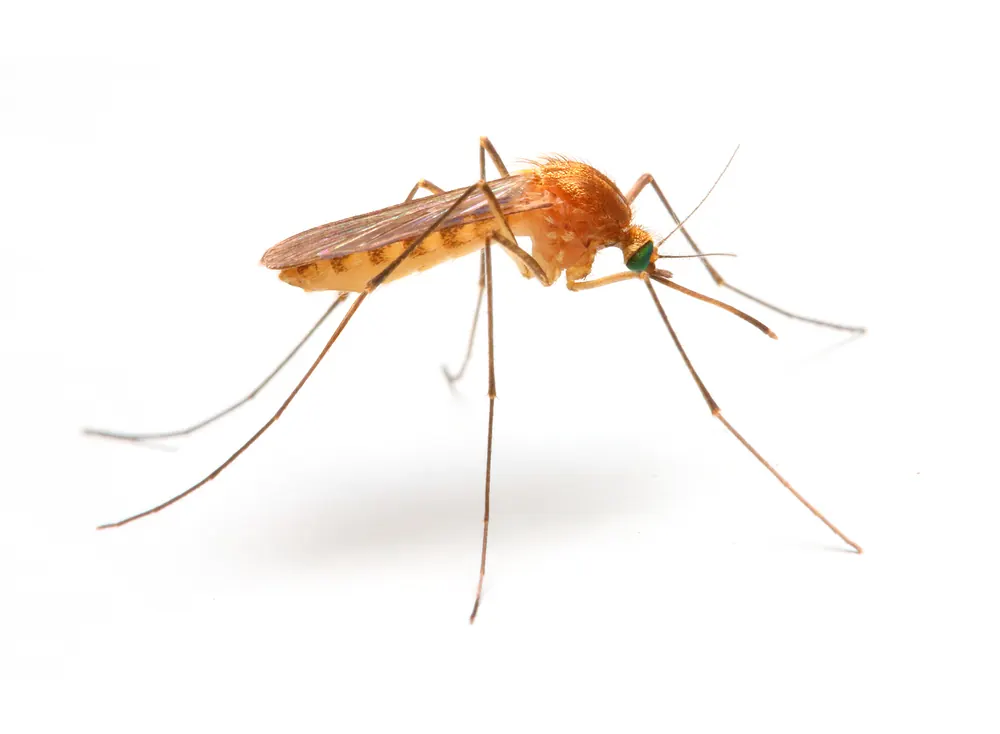
The way to cut down flying insects is to find where they breed and where they rest, not to spray the air. Mosquitoes breed in standing water, flies in waste, wasps in sheltered nests, and each rests in predictable places around a house or building. Treating those spots, and removing the breeding sites, gives far better results than fogging the garden on a Saturday afternoon.
Why Centurion gets so many in summer
Centurion's summers are hot, with regular afternoon thunderstorms from October to March. That combination of heat and water is ideal for flying insects. The Hennops River runs through the area, there are dams, ponds and water features in many estates, and Centurion Lake and stormwater channels hold water through the season. Add pools, bird baths, pot plant saucers and blocked gutters at home, and there are breeding sites everywhere.
Homes and businesses near the river, the lake or estate dams tend to notice mosquitoes and midges more. Restaurants and food businesses see more flies. Large homes with covered patios and eaves get wasps.
Flying insects we deal with
Mosquitoes
They breed in still water, even in a bottle cap's worth, and rest in shaded, sheltered places by day: under eaves, in dense shrubs, under the patio and deck. Most bite from dusk.
Flies
House flies and blowflies breed in bins, compost, pet mess and food waste; fruit flies and drain flies in drains, bars and fruit bowls. See fly control for Centurion homes and businesses for more detail.
Wasps
Paper wasps build under eaves, patio roofs and gate motor covers through summer. Nests need direct treatment, covered on our page on wasp nests in Centurion.
Flying termites and ants
Swarms after the first rains are a sign of colonies nearby, usually harmless on their own, but worth checking if they're coming out of walls or floors inside.
Moths and midges
Attracted by outdoor lights, they in turn attract spiders and geckos to your walls.
How we treat flying insects
- Inspection of the property to find breeding sites (water, waste, drains, nests) and resting areas.
- Removing or reducing breeding sites, with clear advice on what you can do and what we treat.
- Residual treatment of resting surfaces with an odourless, non-staining product: eaves, walls near bins, under patios, shaded foliage close to the house, window frames.
- Targeted nest treatment for wasps, and drain treatment for drain flies.
- Scheduled visits through summer for restaurants, food businesses, schools and estates that need them.
Estates, complexes and common areas
In many Centurion estates the biggest mosquito sources aren't in private gardens at all. They're in the shared spaces: ornamental ponds with still edges, blocked stormwater drains, reed beds along dams, and water features that are switched off for long periods. A single household can do everything right and still be bitten if the green belt behind the wall holds water. Where that's the case, it's worth involving the estate manager or body corporate. We can inspect the common areas, show where the water is lying and treat resting areas along the boundaries, while the estate deals with the drainage.
The mistake people make
Fogging the garden before a party. It knocks down the insects in the air for a few hours, then new ones arrive from the same breeding sites. It also kills useful insects and doesn't touch mosquito larvae in the water. Remove the standing water and treat the resting areas a day or two before, and the evening is far more pleasant.
A Centurion summer checklist
- Empty pot plant saucers, buckets, old tyres and toys that collect rainwater after each storm
- Clear gutters so they don't hold water
- Keep the pool chlorinated and the cover drained
- Change bird bath and pet water every few days
- Keep bins closed and in the shade
- Use warmer, yellowish outdoor bulbs and switch off any lights that aren't needed
What does it cost?
Price follows how big the property is, how many breeding and resting sites need treating, whether there are wasp nests or drain problems, and whether you need a once-off treatment or a summer schedule. Many households can cut mosquitoes down a lot just by dealing with standing water, and we'll tell you if that's all you need. A restaurant, a school or an estate common area usually benefits from regular visits.
For more, see flying insect control throughout Pretoria, our work on flying insects in Waterkloof, and the full list on our Centurion pest control page.
Twenty-five years in, and SAPCA registered throughout, we still guarantee our work for three months: if treated flying insects build up again in that time, we come back. Ring 012 012 5526 or message a picture on WhatsApp and we'll suggest the best approach.
Questions we get asked
Can you get rid of mosquitoes completely?
No one can on a property near water, but removing breeding sites and treating resting areas around the house reduces them a great deal.
Why are there more mosquitoes near the river and lake?
Slow-moving and still water close by provides breeding sites. Homes nearby should be especially strict about standing water in their own gardens.
Is fogging the garden a good idea?
Not on its own. It only affects insects in the air at the time and doesn't reach larvae in water or insects resting in sheltered spots.
Do bug zappers work?
They kill many insects, but mostly harmless moths and beetles rather than mosquitoes. Removing breeding sites is more effective.
When should I book a flying insect treatment?
Early summer, after the first rains, is a good time, before populations build up. Food businesses usually need regular visits through the season.
Is the treatment safe for my pool and fish pond?
We keep treatments off water and away from ponds and pools, and treat only resting surfaces around the house.