
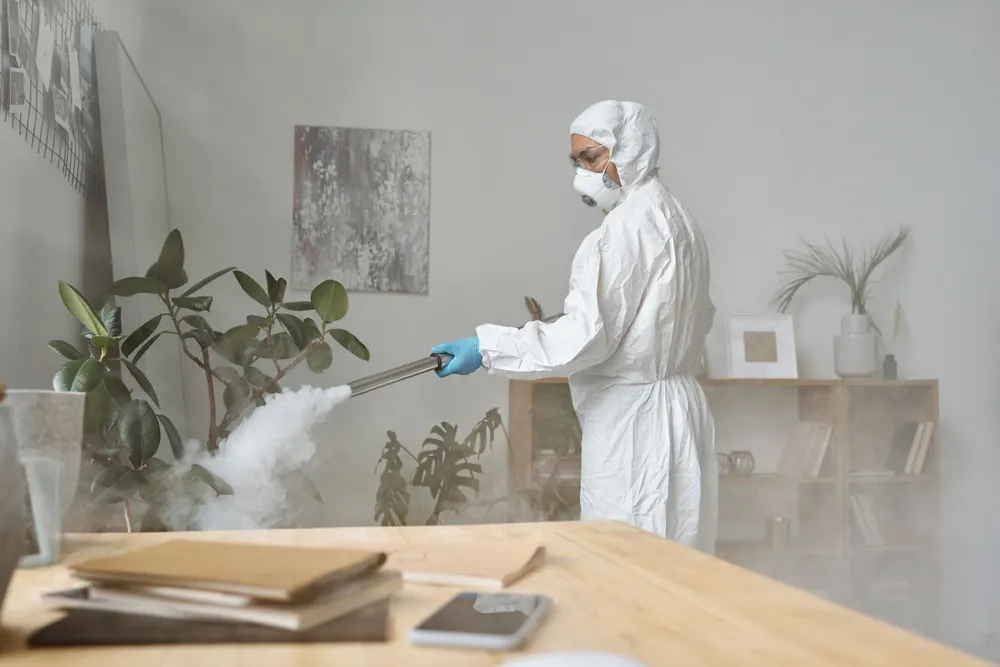
Rodents, cockroaches, flies and mosquitoes make up most of the pest problems in Atteridgeville. In a densely built area, they move easily between homes, schools, churches and shops, so the most lasting results come from treating the source and, where possible, working with the people next door. Below is what we see in each kind of building, and what helps.
Atteridgeville's pest pressures
Atteridgeville is one of Pretoria's large, densely populated townships on the western side of the city. Homes sit close together, rubbish and stormwater channels run between properties, and a lot of food is cooked, stored and sold close by. Hot, wet summers add flies and mosquitoes to the year-round rodent and cockroach problem.
In the home
Rats and mice
Rodents follow food and shelter. Uncovered bins, food scraps in the yard, piles of building material and gaps under doors all invite them in. In winter they move indoors for warmth. We place lockable, tamper-resistant bait stations outside along their routes, use traps inside, and show you where to close up. See rodent control in Centurion and the west for how the approach works.
Cockroaches
Kitchens and bathrooms. The small German cockroach lives in cupboards and appliances; the large American one comes up from drains. Gel bait is the main tool, and treating drains and entry points stops the big ones. More in cockroach control across Pretoria.
Mosquitoes
Mosquitoes breed in any standing water: buckets, old tyres, blocked gutters, water left in containers and the corners of stormwater channels. Emptying containers once a week is the biggest single thing you can do.
Signs worth acting on
- Droppings in cupboards, along walls or on top of stored bags of maize meal.
- Holes chewed in doors, plastic containers or the bottom corners of cupboards.
- Cockroaches running when you switch on the kitchen light at night.
- Small brown egg cases in cupboard corners and behind the fridge.
- Mosquito bites every evening, which means water is standing somewhere close by.
At schools, crèches and churches
Places where children eat and play need careful pest control. Rodents in storerooms and kitchens, cockroaches in food prep areas and wasp nests near play areas are the usual concerns. We use bait stations children can't open, gel baits in kitchens rather than broad sprays, and we plan treatments for times the building is empty or quiet. Regular visits with written records are available for schools and crèches that want them.
For small shops and food sellers
Food sellers, takeaways and spaza shops have the most to lose from rats and cockroaches. Scheduled visits keep activity low and give you a record of every treatment. Flies are a summer problem around food and waste; covering food and managing bins does most of the work. Our fly control in Centurion and surrounds explains what we add on top.
How we work
We inspect first, inside and out, to find where the pest lives and how it gets in. Then we treat the source: bait stations and traps for rodents, gel baits for cockroaches, targeted treatment of mosquito and fly resting places, and odourless, non-staining residual sprays where they help. Normal treatments don't require you to leave the building. Keep children and pets off treated surfaces until they're dry.
The mistake that keeps rats around
One house baits, the neighbours don't, and the rats simply move next door until the bait runs out. Then they come back. When a few neighbours on the same street treat together, and everyone keeps bins closed, the rat population actually drops.
A local tip
Stormwater channels and drains near the house collect rubbish, water and food waste after summer storms, and that combination breeds flies and mosquitoes and feeds rats. If one runs past your property, keeping your section clear after heavy rain makes a real difference to all three.
What does it cost?
The price depends on the size of the building, the pest, and how many visits are needed. A kitchen cockroach treatment is a small job. A rodent problem across a yard, or a school with several buildings, costs more. Neighbours treating together can share the effort. We'll quote after inspecting, and if simple housekeeping will fix it, we'll tell you.
Atteridgeville is covered from our Centurion area, and the Centurion pest control page lists everything we do nearby. If you're in Laudium next door, we work there too. We're SAPCA registered with 25 years of experience, and our 3-month guarantee means we come back if the pest returns. Call 012 012 5526, or WhatsApp us a photo of what you're finding.
Questions we get asked
Do you treat schools and crèches in Atteridgeville?
Yes. We use child-safe methods such as lockable bait stations and gel baits, and plan visits for times when children aren't in the building.
How do I stop mosquitoes breeding near my house?
Empty or cover anything that holds water, such as buckets, tyres and containers, at least once a week, and keep gutters and nearby drains clear.
Can a church or community hall get a regular service?
Yes. We offer scheduled visits for halls, churches and other community buildings, especially where food is prepared or stored.
Why do rats come back after I've used poison?
Usually because the food source and entry points are still there, or neighbours have rats too. Proofing, clean yards and treating together stop them returning.
Are flies a sign of a bigger problem?
Often they point to a nearby breeding spot, such as uncovered rubbish, pet waste or a blocked drain. Finding and clearing it is the first step.