
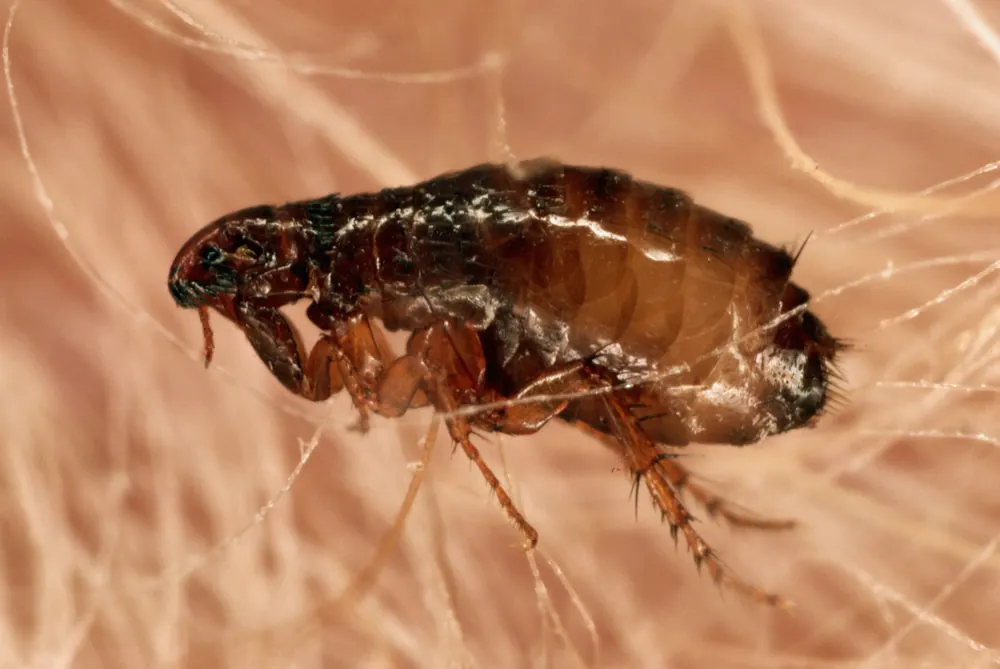
If you're getting bitten around the ankles, or the dogs are scratching despite their flea treatment, the problem is almost always in the environment, not on the pets. Adult fleas on an animal are only a small part of the population. The eggs, larvae and pupae are in carpets, dog beds and shaded soil, and that's what we treat.
Why fleas build up on Waterkloof properties
Many homes here have dogs, often more than one, and big gardens where they spend the day. Fleas breed best in places that are shaded, slightly damp and regularly visited by animals: under a stoep or deck, beneath hedges, in the dog's favourite hollow under a tree, in kennels and in the garage where pets sleep. Mature trees and dense shrubs give Waterkloof gardens a lot of that kind of ground.
Wildlife plays a part too. Cats from neighbouring stands, hadedas on the lawn and mice or rats in outbuildings can all carry fleas onto a property, so a house without pets can still get them, especially if the previous owners had animals.
How to tell it's fleas
- Small, itchy bites, usually on ankles and lower legs
- Pets scratching, biting at their back or losing fur near the tail
- Tiny dark specks in the pet's fur or bedding that turn reddish when dampened (that's flea dirt)
- Small, fast, jumping insects on carpets or socks, especially in rooms that have been empty for a while
A common Waterkloof call: a family comes back from holiday to a house that has been closed up, and the moment they walk in they're bitten. Pupae in the carpet sense movement and warmth and hatch all at once.
Our treatment
Indoors
We treat carpets, rugs, under furniture, along skirtings and the places pets sleep with a residual product that kills adults and stops the young stages developing. You don't need to move out; keep people and pets off the treated floors until they're dry.
Outdoors
We treat the shaded parts of the garden where the dogs lie, kennels, under decks and stoeps, and the garage or outbuilding where pets sleep. Open, sunny lawn rarely needs it, because flea larvae don't survive well in hot, dry soil.
Working with your vet
Your pets need a vet-recommended flea treatment at the same time. Treating the house without the animals, or the animals without the house, is the most common reason fleas keep coming back.
Fleas in garden cottages and staff rooms
Fleas don't stay in the main house. If the dogs wander into a garden cottage, staff quarters or a pool house, those rooms need treating as well, particularly if they have carpets, rugs or soft furnishings. People living or working there are often the first to be bitten, and a room left out of the treatment can quietly restock the rest of the property. We'll include every building the animals use, and suggest washing pet bedding and any loose rugs on a hot cycle on the same day as the treatment.
The mistake we see most
Stopping the vacuuming after treatment. It sounds backwards, but regular vacuuming after we've treated helps: the vibration gets pupae to hatch, so the new fleas meet the treatment rather than waiting it out. Empty the vacuum outside afterwards. You may see a few fleas for a week or two as the last pupae hatch; that's normal.
A local tip
Look at where the dogs actually spend their afternoons. On big Waterkloof stands it's often one cool, dusty spot under a tree or along the side of the house that nobody else visits. Raking it out and keeping that ground clean does more for flea control than treating the whole garden.
What does flea control cost?
It depends on how many rooms are carpeted or affected, how much of the garden and outbuildings need treating, and whether a follow-up is needed for a heavy infestation. A house with one dog and a mild problem is a fairly small job. A large property with several dogs, kennels and a garden cottage is more involved. If the problem is very light, a good vet product and regular vacuuming may be enough on their own.
See our flea control across Pretoria for more about life cycle and seasons. If you're being bitten but there are no fleas, read about bird mites in Waterkloof roofs, which are often confused with them. The Waterkloof pest control overview lists everything else we treat here, and we also deal with fleas in Garsfontein homes.
One Stop Pest Control is SAPCA registered, and our flea treatment has a 3-month guarantee. Call 012 012 5526, or send us a WhatsApp describing the bites and where you're seeing them.
Questions we get asked
Why do we still have fleas when the dogs are treated?
Because most of the population lives in the environment as eggs, larvae and pupae. The house and the pets' sleeping areas need treating at the same time.
Can I get fleas without pets?
Yes. Previous owners' pets, visiting cats, and rodents or birds on the property can all bring fleas onto a stand.
Why did we get bitten as soon as we got back from holiday?
Flea pupae can wait in carpets for weeks. Footsteps and body warmth trigger them to hatch together, so an empty house can come alive the moment you return.
Do you treat the whole garden?
No. We focus on shaded, sheltered areas where pets rest. Sunny, open lawn is a poor habitat for flea larvae and rarely needs treating.
How long until the fleas are gone?
Most people notice a big drop within days. A few fleas may still appear for a week or two as the last pupae hatch and meet the treatment.